
30 Aug 2014, 08:09 am

O Hawaii no ka aina maikai (Hawaii is the best island) or Huki, Huki, Huki, Hukilau…as the bass drums pound hard, at first slowly then faster, and faster….. the dancers put their hands on their hips…sway them in a rhythmic manner ….first to the left…then to the right and so on….as the vigorous dancing reaches a feverish crescendo, the Hawaiian Hula dance gets the spectators grooving, makes the surroundings lively and spirited at the same time.
As the afternoon sun melts into a mellowed dusk on the enchanting Hawaiian islands, the blue sea slowly turning a striking grey and now the tourists are regaled with the beats of Hula and the Samoan fire dancers at Luau feasts. A Hawaiian Luau is actually a celebration of thealoha (welcome) spirit, enticing you to clap, dance and sing along with the local Hawaiian singers.
No trip of the Hawaii is complete without attending a Luau party which usually begins with a lavish Hawaiian spread of a Kalua pig, lau lau (fish, chicken or pork wrapped in Taro leaves and poi) and ends with chants of the rhythmic Hula dance.
According to legends, the Polynesians from the Pacific Ocean who were the first settlers in Hawaii brought Hula here. Hula, people say evolved from the rhythmic dances from the Tahitian islands thousands of years ago.
Another legend goes that centuries ago, when gods and people shared these Hawaiian islands, and time was measured by the waxing and waning of the moon, Hula was born.
The first dance was linked to Pele, the Goddess of volcanic fires, who made the request of dance to her younger sister, Hi’iaka. The Pele cycle enriched the Hula with a repertoire that was both religious and entertaining. Rhythmic and poetic chants (mele) combined with disciplined motion were used to tell stories of love and passion, anger and revenge and loyalty and betrayal, all parts of Goddess Pele’s tempestuous nature.
Later when contact between Tahiti and Hawaii was lost, the Hawaiian culture evolved on its own and Hula was part of that evolution. The Hula dances, inspired by poetic chants, were accompanied by beats of shark skin drums (pahu), gourd rattles (uli, uli), slit bamboo sticks (pu’ili), tapping sticks (Kalau), clapping stones (Ili Ili) and dogtooth anklets (K’upe’e niho ‘ilio).
Hula then were performed to honour and appease the gods, ancestors, chief, and kumu (teachers).
The most renowned dancers were trained on Kauai at halau hula (hula school) at Haena on a hillside at the base of Na Pali coast’s eastern most cliff where Hiiaka danced for Pele.
Although Pele and Hi’iaka were closely linked to Hula’s origins, it was goddess Laka , sister or niece to Pele, who became the spiritual patron of the dance and dancers. One chant attributes the birth of Hula not to Hiiaka but to Laka, who is said to have performed the first Hula on Molokai island.
Earlier powerful chiefs maintained Hula dancers as part of their retinues. Both men and women danced the Hula. Men wore the simple kappa malo (loin cloth of pounded bark) and women the sheer kappa skirts. Haku (head garlands) brought Laka’s presence to the dancers. Anklets of dogteeth rattle as the dancers moved in unison, the chanters directing the dancers’ movement and drawing their vocal participation.
Dancers are trained in movements that told Hawaiian tales. Hands used sign language for ideas like love or anger or objects like the moon, rain or fragrant flower. The Hula dance differs from island to island, each Hula influenced by the style of itskumu. Oli (chants not danced to), mele and Hula were treasured possessions, passed on from generation to generation.
The missionaries who came to the Hawaiian islands, looked upon Hula with disdain. The Hawaiians were far less inhibited about sensuality than the missionaries. For the missionaries, the Hula was of the devil’s making. Everything about it from the skimpily clad dancers to their hip swaying energy to the theme of other gods, offended missionary morality.
Missing the spiritual message and mistaking the sensual for sin, the missionaries went on to repress it, nearly abolishing its practice in the process. Luckily in more remote places where missionaries could not go, the Hula tradition continued and taught. The few who knew the chants and dances safeguarded what was on the verge of being lost and paved the way to Hula’s restoration as a cultural treasure.
The serious revival that began in the 1970s continues, imbuing the hula with both authenticity and innovation.
King Kalakaua, known as the Merrie Monarch, gave back the Hula its glory. Credited with having rescued the Hula from oblivion, Kalakaua sponsored performances at his coronation in 1883 and birthday jubilee (1886).
He sponsored its practice and expanded the repertoire with new chants and dances in keeping with Victorian era sensibilities. In keeping with the chiefly tradition, he invested his people with a pride in their past and by reviving Hula, turned it into a powerful symbol of continuity.
With the overthrow of the monarchy, the Hawaiian past seemed irrelevant to an American future. Ironically the Hula returned to Hawaii in the early 20th century in a different form than that of Kalakaua’s time or the more distant past.
Hawaii’s mystical image had been created by the likes of Mark Twain and Robert Louis Stevenson as early as the 1860s. Twain in one of his letters had written about Hula calling it a “lascivious dance that was wont to set the passions of men ablaze in the old heathen days, a century ago.”
Dance troupes had been touring the US since the 1880s with the Hula symbolising an exotic world coming held America under its sway.
By 1905, artist Tin Pan Alley commandeered Hula and had popularised catchy melodies, introducing a style of Hula that replaced the spiritual with the often nonsensical, the sensual with something romantic or naughty. Not only had the dance changed but the pahu was replaced with bass drums, percussive gourds by guitars and dogtooth rattles by ukulele (jumping flea of Portuguese origin)
Hula’s evolution as a storytelling art had by then moved well beyond the transitory phase allowing it not only to survive but also to prosper, securing a powerful place in contemporary Hawaiian culture that began in 1970s and continues to this day.
Presently two styles of Hula are danced each with its own variation. Hula kahiki is the traditional dance and dancers follow costumes and theme that ranges backward from Kalakaua restoration while Hula auana (modern) moves forward towards the present from Kalakaua’s time.
Today, hundreds of Halau and thousands of dancers including many far from Hawaiian shores dance Hula, learning not only the movements but also its spiritual and aesthetic message.
Many hula festivals like Merrie Monarch Festival, Kodak hula Show at Waikiki shell, Honolulu, Na Mele O Maui festival at Maui, Molokai Ka Hula Piko at Molokai islands are held across the Hawaiian islands. from time to time.
Hula, a Hawaiian cultural treasure almost obliterated, no longer runs the risk of being lost forever.
Dancers wearing garlands of green leaves and flowers, perform endlessly, adapting stylistically in ways that keep the hula alive as a living art and a cultural moniker that is uniquely Hawaiian.
(Photo by author)
- IndiGo unveils new in-flight pre-book menu with Regional Favourites and Global Flavours
- Theobroma finally arrives in Kolkata! Sauraseni Maitra inaugurates first store
- America’s 250th anniversary reaches Kolkata with U.S. Navy band’s pop and rock show
- Sweet Memory: How a Kolkata Durga Puja Is Retelling Bengal’s Love Affair With Mishti
- Kosha Mangsho Roll to Gurer Sandesh Flan: Starbucks Kolkata unveils special Pujo menu blending Bengali flavours with global favourites
- Ganesh Chaturthi in the Skies: What Air India Has in Store for Flyers in its Lounges
- US Envoy Sergio Gor gets a taste of Darjeeling, enjoys Toy Train ride, tea, and local culture
- 1000 Islands: Back to the Waters That Never Left Me
- Priority Pass finally passed the test at JFK: One card, one lounge, a small victory in New York
- Do Not Miss This Museum When You Are in Purulia Next
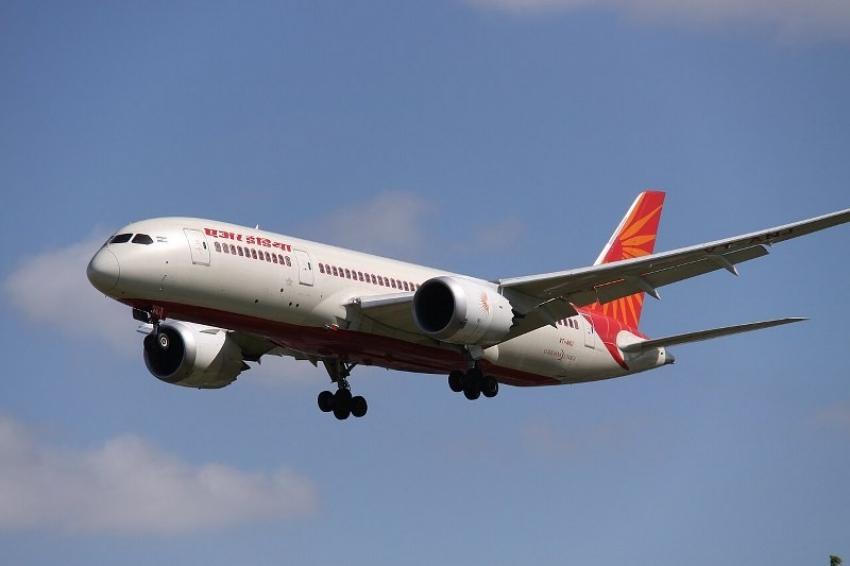
Indian airline Air India has unveiled a new collection of amenity kits and loungewear for guests travelling on its international flights.
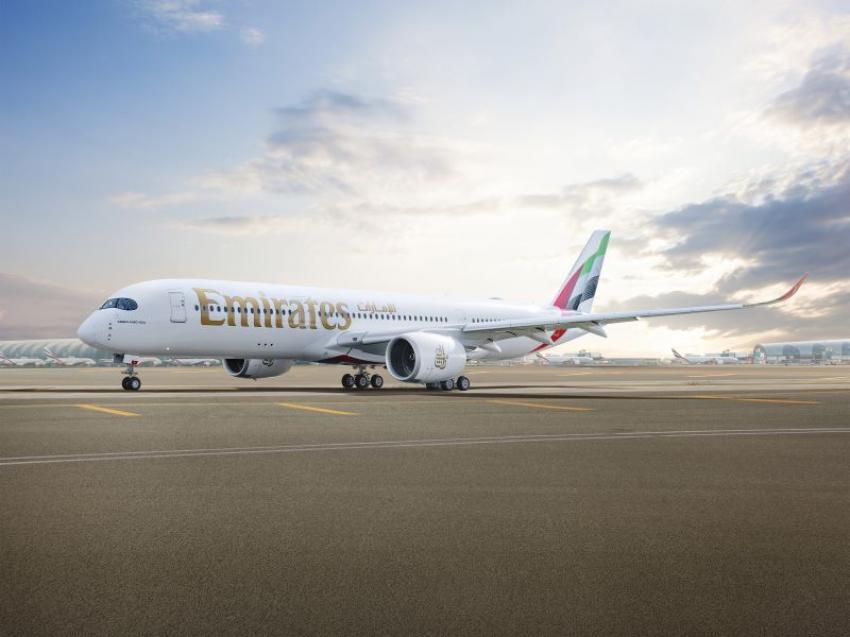
Emirates will introduce its Airbus A350 aircraft on its daily Dubai–Mauritius route from November 1, 2026, replacing the Boeing 777 currently operating the service. The new aircraft will operate flights EK709 and EK710 between Dubai and Mauritius, the airline said.
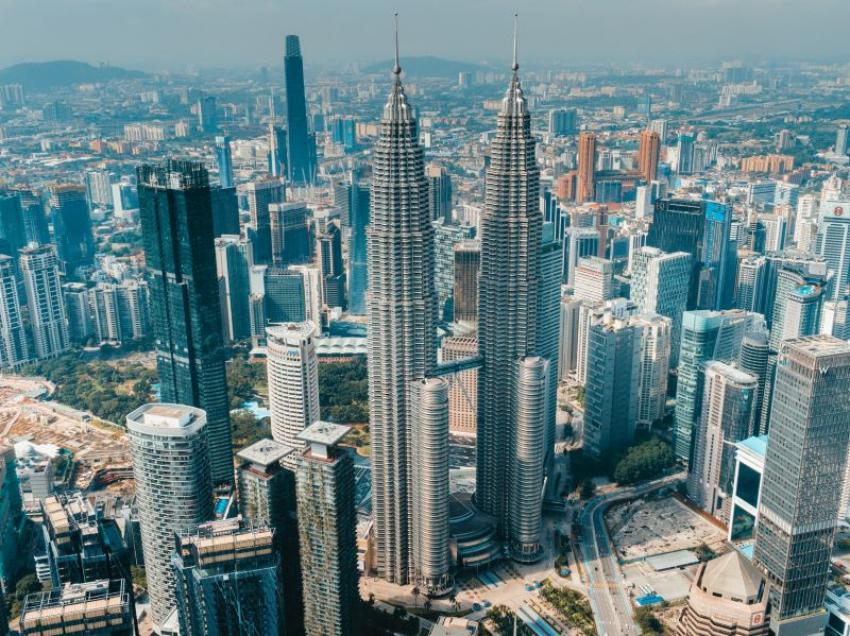
Lufthansa has launched a new nonstop service between Kuala Lumpur and Frankfurt, with the first flight operating on October 26. The route connects Malaysia’s capital with Frankfurt, one of Europe’s major aviation hubs.