
20 Oct 2016, 07:06 am
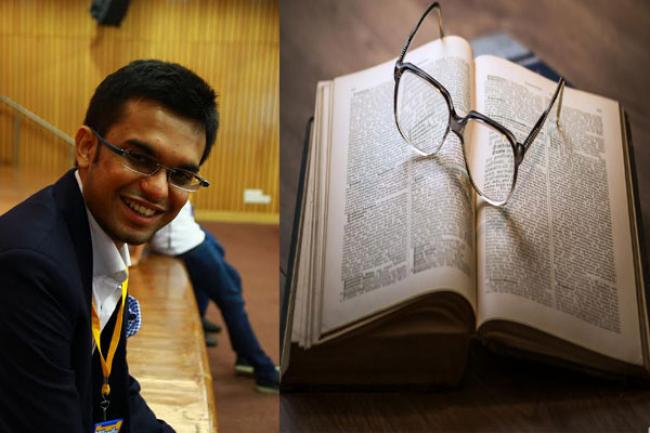
When people ask me the number one thing students can do to prepare for the future, specifically the college application process, the standardised testing cycle, even just the anxieties of potentially studying abroad in a new school system, they are inevitably disappointed by my answer. It’s not because I don’t give them one, or that the answer comes in a dollar amount that is too high for the average person to pay, it’s because the best thing they can be doing is also, for many, the hardest. They whine, they cajole, they try to justify why I’m not correct in my advice, but I stick by it, and I would give the same advice to anyone, no matter who they were. I don’t care how good or bad your grades are, how many internships you’ve done or recommendations you have from teachers, coaches and bosses.
The number one thing you can do is read. You need to be reading more. You just do. There is no shortcut, no trick, and no way to get around it.
Students need to read a lot more than most of them currently do, and Indian students need to be reading more than they can potentially imagine. For American students, reading is a big part of the curriculum in their schools, are it is also deeper encoded into the cultural zeitgeist in many places. The availability of books through public library systems and downloads of digital copies on devices means that everyone has the potential to be an active reader, although of course not everyone is, and studies have shown that American high school students read less now than their pre-Instagram counterparts. Still, the demands of school system across the United States in both public and private institutions push students to read between 6 and 10 books a year, at least, in English classes alone.
Additionally, the fact that English, History and Humanities course are mandatory for students for all four years of high school is an attempt to ensure that students are exposed to reading in a consistent way. But in India, between the tracked education system, the linguistic differences from region to region and often household to household, and the lack of public lending libraries, reading has somehow taken a backseat to the average Indian student’s understanding of how to self-improve. When I first arrived in India, I was amazed by how comfortable people were stating calmly “they don’t read”. On a questionnaire one student filed out, their response to “what is your favorite book?” was “I don’t read enough to have a favorite”. Day after I day I hear about students who “don’t have time to read”, or those who talk about their exhausting school curriculum which required them to read two whole books over the course of the school year. Yet when students struggle with the SAT, with writing their college essays, with preparing for interviews and expressing themselves on paper and to admissions officers, they are confused and don’t make the connection between their lack of preparation through reading and their lack of skills.
.jpg) Reading provides students with strong vocabulary building opportunities, an understanding of grammatical and narrative structure, and educates the reader about the world. It opens up horizons, exposes students to different viewpoints and opinions, and challenges them to think beyond themselves. These are life skills, and they wont just be ones students need in order to apply to colleges abroad, but also in order to do well at those colleges. There are very few programs in the United States that don’t require at least some humanities courses, and with the expectation of a limited number of disciplines, students will be expected to read and write in strong articulate analytical way in almost every field. The best way to prepare for that is to read, and keep reading. If you don’t like fiction, read non-fiction. If you don’t like historical novels, read contemporary literature.
Reading provides students with strong vocabulary building opportunities, an understanding of grammatical and narrative structure, and educates the reader about the world. It opens up horizons, exposes students to different viewpoints and opinions, and challenges them to think beyond themselves. These are life skills, and they wont just be ones students need in order to apply to colleges abroad, but also in order to do well at those colleges. There are very few programs in the United States that don’t require at least some humanities courses, and with the expectation of a limited number of disciplines, students will be expected to read and write in strong articulate analytical way in almost every field. The best way to prepare for that is to read, and keep reading. If you don’t like fiction, read non-fiction. If you don’t like historical novels, read contemporary literature.
If you are bored by prose, read plays or poetry. Check out graphic novels, source film scripts online, start with newspaper articles and increase your reading daily and weekly so that you strengthen your attention span and abilities, your vocabulary and your literary knowledge. There are a lot of things you can do to prepare for college applications, but the number one thing I consistently recommend is to read. So if you are thinking about what to do with your summer vacation, or how you can start focusing on the future, read. If you want your child to be preparing for college, hand them a book. Better yet, read with them. Get over your disappointment that there is no easy answer, and take the hard road. It’s worth, in the end.
(Author Rohan Ganeriwala, is the Co founder, Collegify, a college consulting firm for study abroad)
Catch him at www.collegify.com
Book image: http://wallpaperswide.c
- Project Prayas: Taj Hotels, Prabha Khaitan Foundation turn hospitality floors into learning spaces for young adults with special needs
- Sona College of Technology Fashion Technology students win Ministry of Textiles' Design Innovation Hackathon
- Reliance Industries posts record quarterly revenue of ₹3.4 lakh crore, Jio IPO on the horizon
- Prabha Khaitan Foundation, French Embassy explore deeper Indo-French cultural collaboration
- World Music Day 2026 Concert Writes a New Chapter in Kolkata's Cultural Soul
- Big boost for UPI: India’s digital payment system expands to Cambodia
- India at Cannes 2026: Glitter on the Croisette, But Where Is the Cinema?
- Sona College announces admissions to BTech in Computer Science, IT, AI-ML & Data Science
- NEET-UG to shift to Computer-Based test mode from 2027, says Dharmendra Pradhan; experts welcome move
- Sona College of Technology launches ‘Sona ChipIN Centre’ with latest semiconductor EDA tools


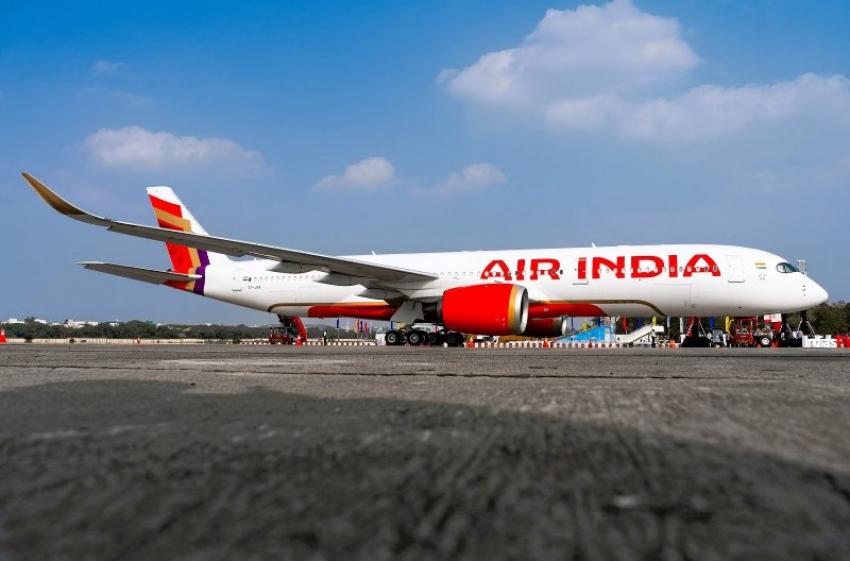
Tata Group-owned Air India and the Ministry of Tourism (MoT), Government of India, have signed a Memorandum of Understanding (MoU) to jointly promote India as a premier global tourism destination and strengthening India’s position as a key aviation and transit hub.

Tata-owned Air India, India’s leading global airline, and Saudia, the national flag carrier of Saudi Arabia, have signed a Memorandum of Understanding (MoU) to expand strategic cooperation between the two airlines.

JFK Millennium Partners (JMP), the company selected by the Port Authority of New York & New Jersey to build and operate John F. Kennedy International Airport’s new world-class Terminal 6 (JFK T6), and Air India on Tueday announced that the airline has chosen T6 for its operations beginning in 2028.