
16 Jan 2017, 08:09 am
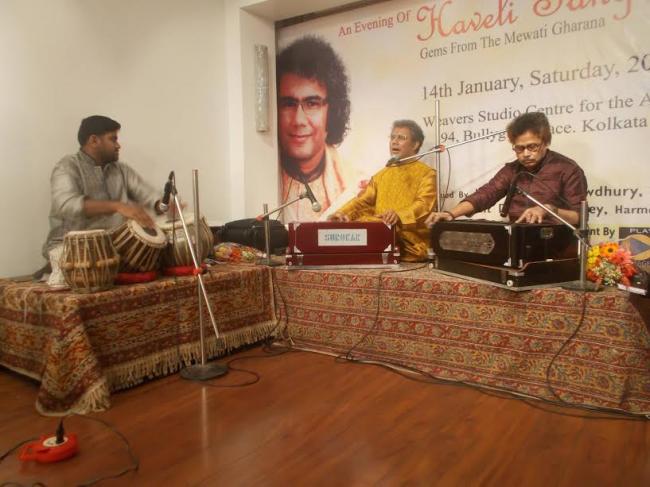
Talking about the historical background of Haveli Sangeet, Suman Ghosh told IBNS: "This particular form of music, derived from the Indian Classical genre, is believed to have originated in the late 15th century.”
“In the past, especially during the Mughal rule, when temple worship was virtually banned, many people quietly removed the idols from the temples to the safety of their households or havelis to continue with the worshipping. The devotional songs or 'bhajans' that were sung by the devotees during prayers in these haveils, later came to be known as Haveli Sangeet,” he added.
.jpg) Asked about the speciality of this music, Ghosh said: "Haveli Sangeet draws its main components from the 'dhrupad' style of Hindustani Classical Music and is steeped in 'bhakti bhaav'. It was believed that the audience of this music is none other than Lord Krishna himself.”
Asked about the speciality of this music, Ghosh said: "Haveli Sangeet draws its main components from the 'dhrupad' style of Hindustani Classical Music and is steeped in 'bhakti bhaav'. It was believed that the audience of this music is none other than Lord Krishna himself.”
According to Ghosh, Haveli Sangeet faded away with the passage of time, being sung only in few temples of North India. But Sangeet Martand Pandit Jasraj saw to the revival of this spiritually rich music and re-introduced it as a genre. The tradition is being ably carried forward by his disciples.
On being asked, that why Ghosh chose Haveli music for his research out of so many other classical forms of music, he said: ”Belonging to Mewati Gharana and being a disciple of Pandit Jasraj, who very minutely researched Vaishnava literature and built a strong genre on Haveli Sangeet, it is my obvious duty to carry forward the tradition and hand it down to the successive generations.”
At the concert, Suman Ghosh was accompanied by Jyotirmoy Roychowdhury on tabla and Debaprasad Dey on Harmonium.
(Reporting by Aninnya Sarkar)
- Project Prayas: Taj Hotels, Prabha Khaitan Foundation turn hospitality floors into learning spaces for young adults with special needs
- Sona College of Technology Fashion Technology students win Ministry of Textiles' Design Innovation Hackathon
- Reliance Industries posts record quarterly revenue of ₹3.4 lakh crore, Jio IPO on the horizon
- Prabha Khaitan Foundation, French Embassy explore deeper Indo-French cultural collaboration
- World Music Day 2026 Concert Writes a New Chapter in Kolkata's Cultural Soul
- Big boost for UPI: India’s digital payment system expands to Cambodia
- India at Cannes 2026: Glitter on the Croisette, But Where Is the Cinema?
- Sona College announces admissions to BTech in Computer Science, IT, AI-ML & Data Science
- NEET-UG to shift to Computer-Based test mode from 2027, says Dharmendra Pradhan; experts welcome move
- Sona College of Technology launches ‘Sona ChipIN Centre’ with latest semiconductor EDA tools

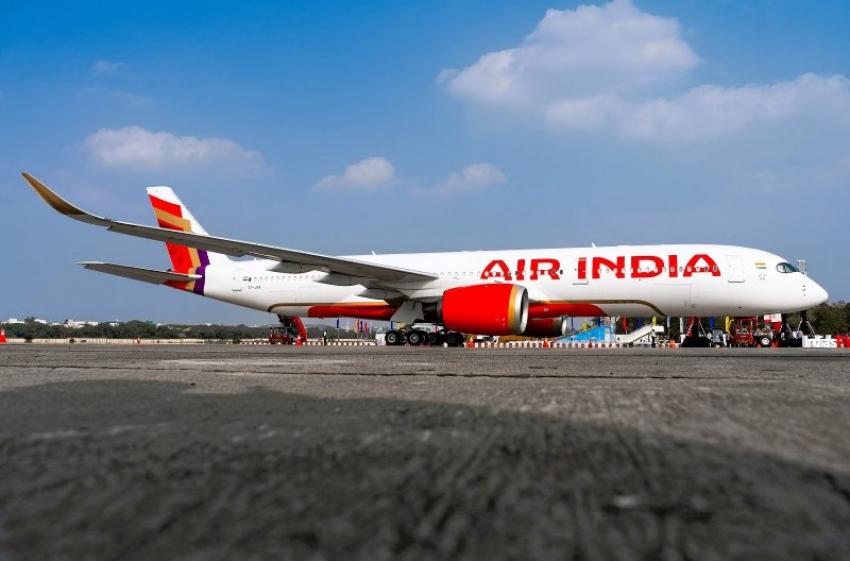
Tata Group-owned Air India and the Ministry of Tourism (MoT), Government of India, have signed a Memorandum of Understanding (MoU) to jointly promote India as a premier global tourism destination and strengthening India’s position as a key aviation and transit hub.
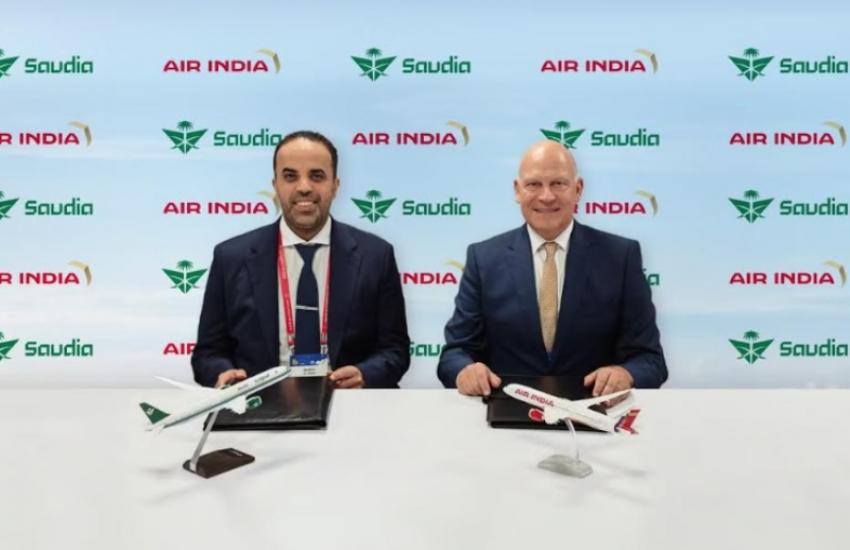
Tata-owned Air India, India’s leading global airline, and Saudia, the national flag carrier of Saudi Arabia, have signed a Memorandum of Understanding (MoU) to expand strategic cooperation between the two airlines.
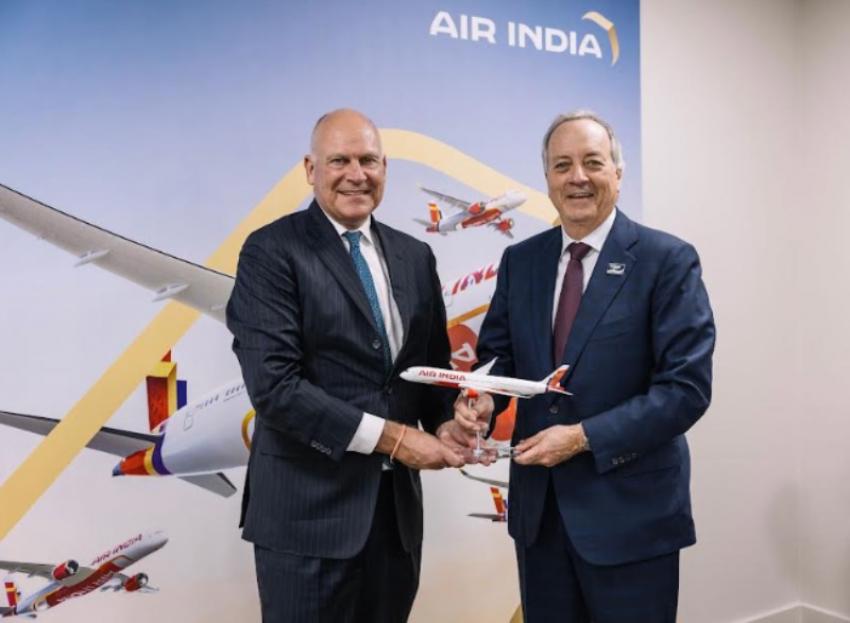
JFK Millennium Partners (JMP), the company selected by the Port Authority of New York & New Jersey to build and operate John F. Kennedy International Airport’s new world-class Terminal 6 (JFK T6), and Air India on Tueday announced that the airline has chosen T6 for its operations beginning in 2028.