
NITN | @notintownlive | 27 Mar 2026, 06:06 am
 tourist visa
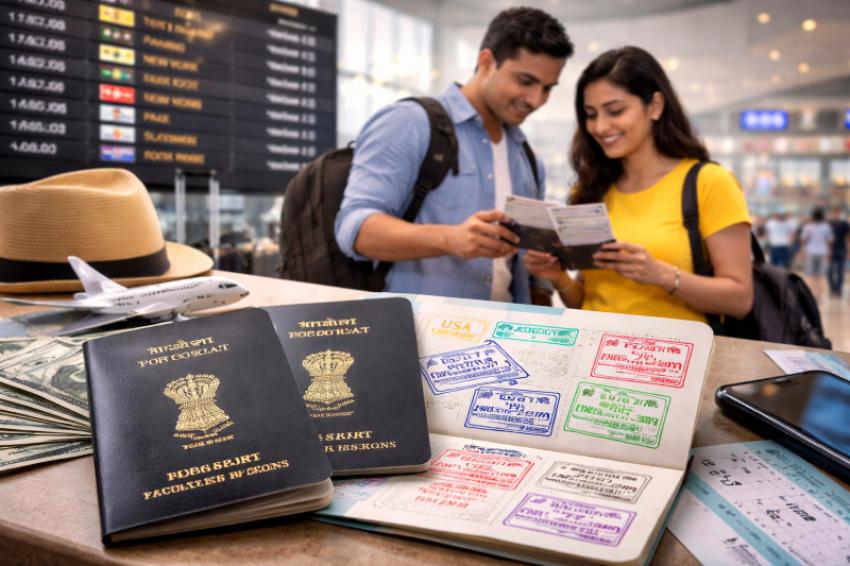
Tourist visa fees can significantly influence how Indians plan their international trips. Photo generated by ChatGPT.
Planning an international trip often begins with checking visa requirements—and for Indian travellers, the cost of obtaining a tourist visa can vary widely depending on the destination. In 2026, visa fees across popular countries range from highly affordable e-visas in Asia to significantly higher costs for long-haul destinations.
It is important to note that these fees are indicative and may change based on exchange rates, embassy revisions, and additional VFS or service charges.
Visa Fees Across Popular Destinations
Here’s a breakdown of tourist visa costs for Indians across some of the most visited countries:
Long-haul and high-cost destinations
- USA (B1/B2 Tourist Visa): ₹13,200 + ₹1,500 biometrics = ₹14,700 ($185)
- Canada: ₹11,500 + ₹4,000 biometrics = ₹15,500 (Base fee $100 CAD + mandatory biometrics)
- Australia (Visitor Subclass 600): ₹13,500 (AUD 200)
- United Kingdom (Short-term, up to 6 months): ₹16,196 (£115)
- New Zealand: ₹22,000–₹26,000 (Approx. NZD 211 + VFS charges)
Europe and other regions
- Schengen Visa (Europe): ₹9,100 (€90 for adults) + VFS charges
- Japan (E-visa): ₹500 (one of the most affordable options)
- South Korea: ₹3,200 base fee, but total costs can reach ₹7,999 or more with service and processing charges
Popular Asian destinations
- Singapore (E-visa): ₹2,500–₹3,000
- Thailand (Visa on Arrival): ₹4,200
- Indonesia (Visa on Arrival): USD 35 = ₹2,930
- Malaysia (E-visa): ₹2,500
- Sri Lanka (ETA): USD 20–25 = ₹1,600–₹2,000
- Vietnam (E-visa): ₹2,500–₹3,000 (standard fee $35 USD)
Middle East
- Dubai (UAE – 30-day tourist visa): ₹5,850–₹6,750
Costs may vary depending on express processing or long-term multi-entry options.
Key Changes Travellers Should Be Aware Of in 2026
Several updates and cost-related changes are shaping visa applications this year:
- USA “Integrity Fee”:
A mandatory $250 fee has been added to most non-immigrant visas. This significantly increases the overall cost, effectively tripling what Indian applicants paid in 2024–25.
- Priority Processing Costs:
Opting for faster processing can substantially raise expenses. In some cases, priority services can triple the total visa cost.
- Biometrics and Medical Charges:
Many countries now require separate payments for:
- Biometric data submission
- Medical examinations (where applicable)
These are mandatory and add to the base visa fee.
What This Means for Travellers
While some destinations continue to offer low-cost and convenient e-visas, others—particularly long-haul countries—have seen rising costs due to added fees and processing requirements. Travellers should factor in not just the base visa fee, but also additional charges such as biometrics, service fees, and optional priority processing.
One crucial point to remember is that most visa fees are non-refundable, even if the application is rejected. This makes it essential to ensure that all documents and eligibility requirements are carefully met before applying.
- Living in Dubai? Invite Your Loved Ones and Enjoy Benefits Worth Over AED 3,000
- For the first time, South City Mall steps from spectator to participant in Kolkata's Durga Puja tradition
- Tatkal Ticket Booking Gets an Upgrade with IRCTC's New Website: What Indian Travellers Need to Know
- 30 Days, No Visa: Thailand Continues Visa-Free Entry for Indians With New Limit
- Jordan Keeps Airspace Open Amid Regional Tensions, Budget Airlines to Resume Flights in October
- Travel Smarter: The CityPASS Hack That Saves Money and Time Across the US and Toronto
- Indian traveller visits Sri Lanka for 7 days—What she discovered surprised her
- You Don't Need Internet Abroad to Use Google Maps. Here's How
- Abu Dhabi to Fujairah in Less Time as UAE Rolls Out First Passenger Train
- Going to Greece Soon? Don't Miss This Big Payment Update


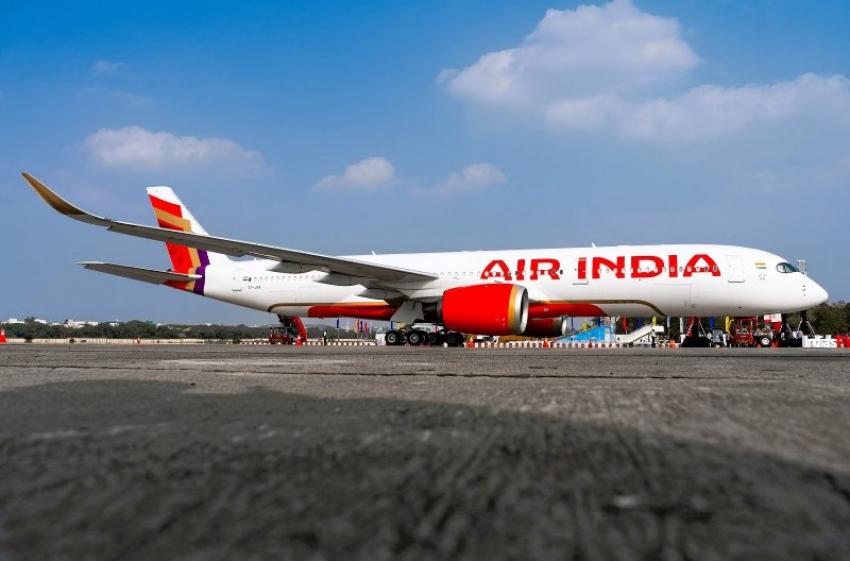
Tata Group-owned Air India and the Ministry of Tourism (MoT), Government of India, have signed a Memorandum of Understanding (MoU) to jointly promote India as a premier global tourism destination and strengthening India’s position as a key aviation and transit hub.
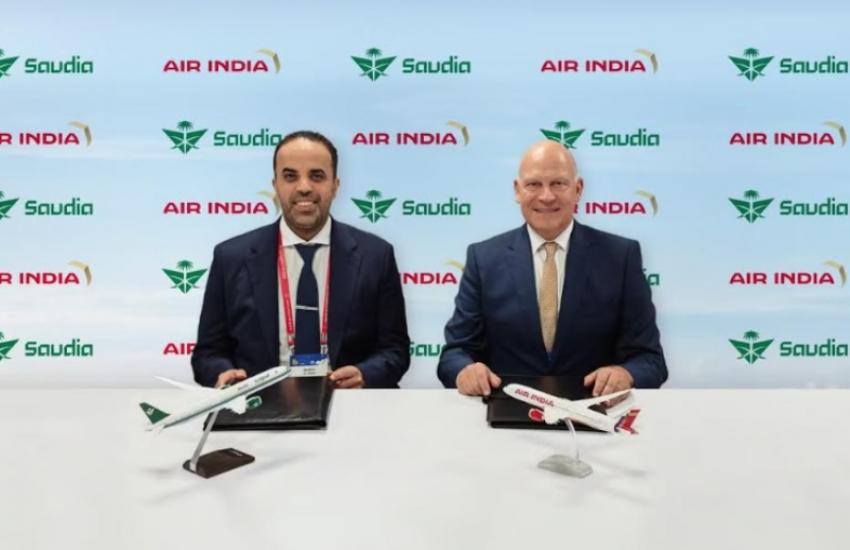
Tata-owned Air India, India’s leading global airline, and Saudia, the national flag carrier of Saudi Arabia, have signed a Memorandum of Understanding (MoU) to expand strategic cooperation between the two airlines.
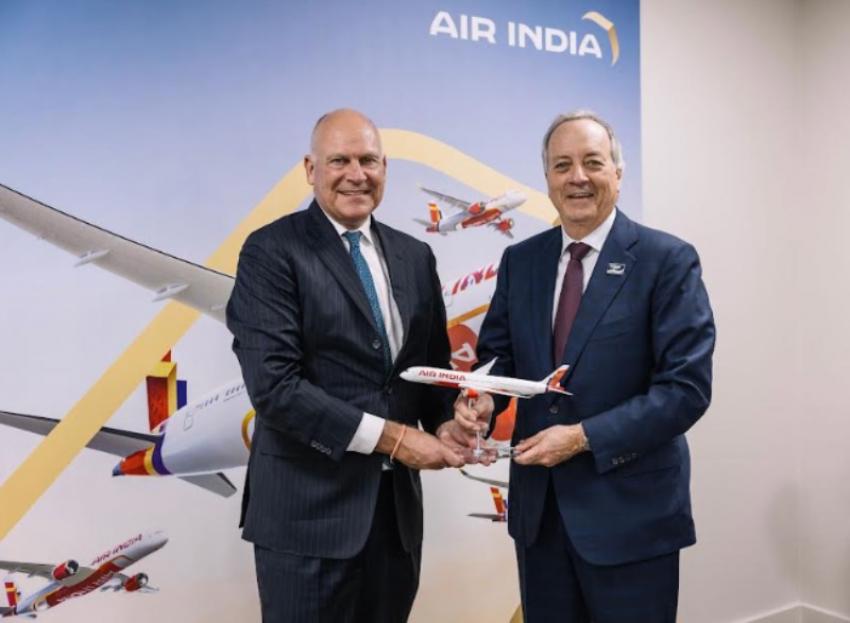
JFK Millennium Partners (JMP), the company selected by the Port Authority of New York & New Jersey to build and operate John F. Kennedy International Airport’s new world-class Terminal 6 (JFK T6), and Air India on Tueday announced that the airline has chosen T6 for its operations beginning in 2028.