28 Jan 2015, 03:07 pm

“Over the past years, tourism has proven to be a surprisingly strong and resilient economic activity and a fundamental contributor to the economic recovery by generating billions of dollars in exports and creating millions of jobs, said UNWTO Secretary-General Taleb Rifai at the opening of the Spain Global Tourism Forum in Madrid.
He added: “This has been true for destinations all around the world, but particularly for Europe, as the region struggles to consolidate its way out of one of the worst economic periods in its history,”
According to the latest UNWTO figures, the Americas (+7 per cent) and Asia and the Pacific (+5 per cent) regions registered the strongest growth, while Europe (+4 per cent), the Middle East (+4 per cent) and Africa (+2 per cent) grew at a slightly more modest pace.
By subregion, North America (+8 per cent) saw the best results, followed by North-East Asia, South Asia, Southern and Mediterranean Europe, Northern Europe and the Caribbean, all increasing by 7 per cent.
The outlook remains positive for 2015, as confirmed by the UNWTO Confidence Index. According to the 300 experts consulted worldwide, tourism performance is expected to improve this year, though expectations are less upbeat than a year ago. UNWTO forecasts international tourist arrivals to grow up to 4 per cent this year. And by region, growth is expected to be stronger in Asia and the Pacific and the Americas, followed by Europe. Arrivals are also expected to increase in Africa and the Middle East.
“We expect demand to continue growing in 2015 as the global economic situation improves, even though there are still plenty of challenges ahead. On the positive side, oil prices have declined to a level not seen since 2009. This will lower transport costs and boost economic growth by lifting purchasing power and private demand in oil importing economies. Yet, it could also negatively impact some of the oil exporting countries which have emerged as strong tourism source markets,” added Mr Rifai.
Photo: UNWTO
- Living in Dubai? Invite Your Loved Ones and Enjoy Benefits Worth Over AED 3,000
- For the first time, South City Mall steps from spectator to participant in Kolkata's Durga Puja tradition
- Tatkal Ticket Booking Gets an Upgrade with IRCTC's New Website: What Indian Travellers Need to Know
- 30 Days, No Visa: Thailand Continues Visa-Free Entry for Indians With New Limit
- Jordan Keeps Airspace Open Amid Regional Tensions, Budget Airlines to Resume Flights in October
- Travel Smarter: The CityPASS Hack That Saves Money and Time Across the US and Toronto
- Indian traveller visits Sri Lanka for 7 days—What she discovered surprised her
- You Don't Need Internet Abroad to Use Google Maps. Here's How
- Abu Dhabi to Fujairah in Less Time as UAE Rolls Out First Passenger Train
- Going to Greece Soon? Don't Miss This Big Payment Update


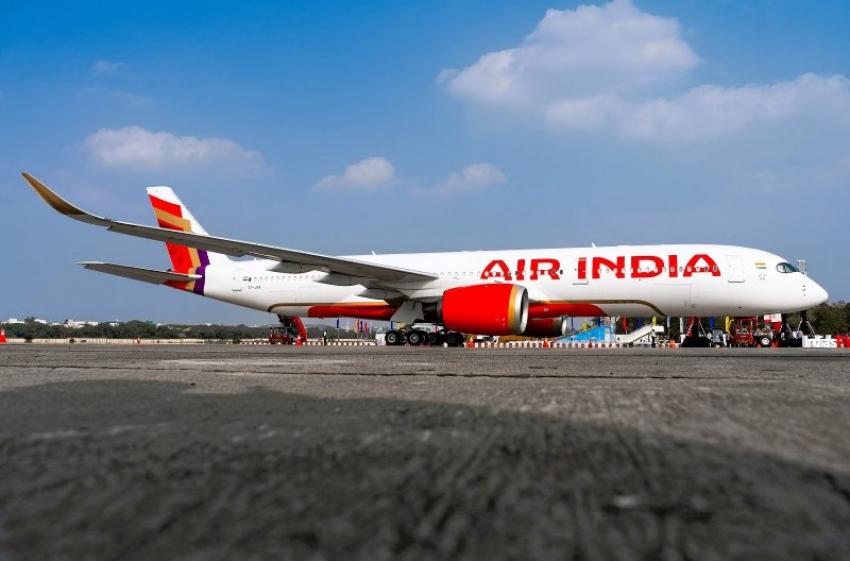
Tata Group-owned Air India and the Ministry of Tourism (MoT), Government of India, have signed a Memorandum of Understanding (MoU) to jointly promote India as a premier global tourism destination and strengthening India’s position as a key aviation and transit hub.
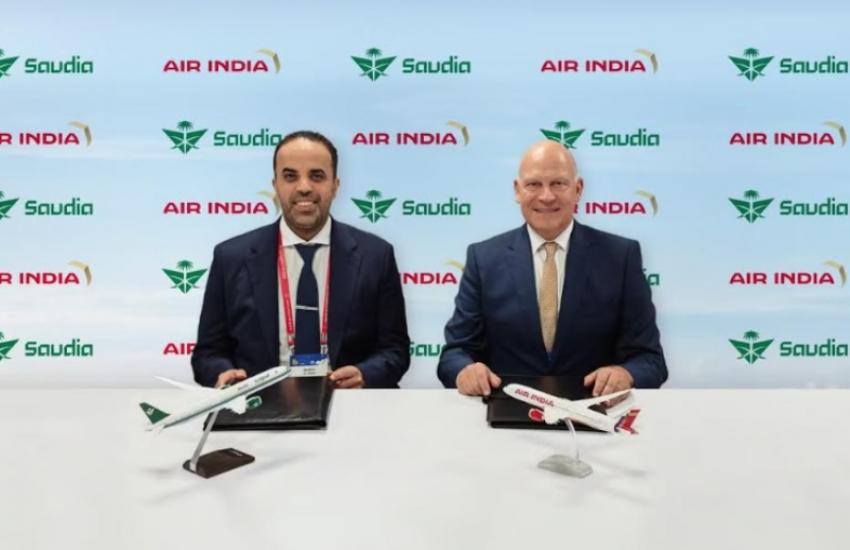
Tata-owned Air India, India’s leading global airline, and Saudia, the national flag carrier of Saudi Arabia, have signed a Memorandum of Understanding (MoU) to expand strategic cooperation between the two airlines.
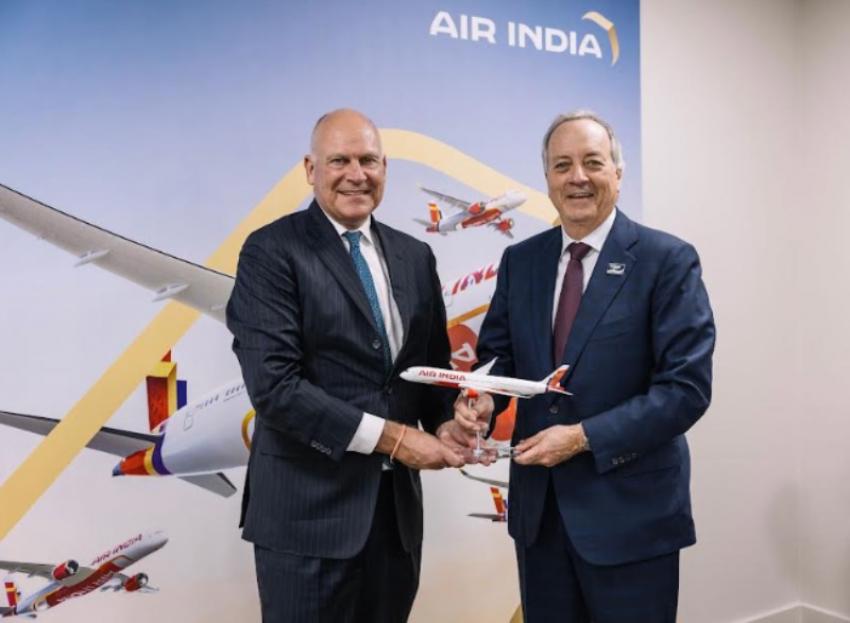
JFK Millennium Partners (JMP), the company selected by the Port Authority of New York & New Jersey to build and operate John F. Kennedy International Airport’s new world-class Terminal 6 (JFK T6), and Air India on Tueday announced that the airline has chosen T6 for its operations beginning in 2028.