
20 Mar 2015, 08:10 am
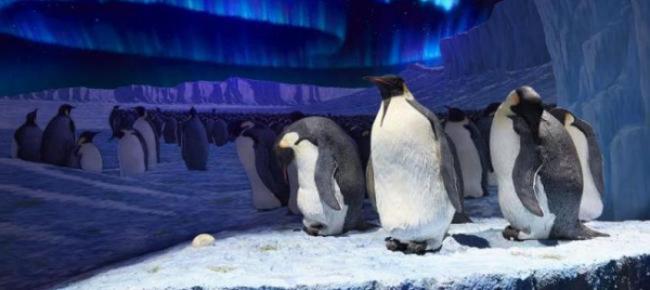
During this expedition, visitors will discover the men who surpassed themselves and whose trek paved the way for scientific research in Antarctica.
Between 1911 and 1912, two explorers, the Norwegian Roald Amundsen and the British Captain Robert Scott, embarked on a gruelling race of almost 3,000 km to reach the South Pole and return to base camp on the Ross Ice Shelf.
Who would reach the South Pole first?
The exhibition allows visitors to follow the two teams, to discover their motivations and to witness their meticulous stages of preparation, which reveal their very different strategies and equipment. We learn about their life in camp, the waiting periods they endured and their parallel scientific missions.
The Norwegian team preferred dogs to pull the sledges and focused on one single objective: reaching the pole.
The English team chose ponies and carried out scientific explorations in parallel, such as the collection of unknown species.
Discover a gruelling race against the clock over several months, when each hour of the brief polar summer counted, as this was the sole meteorological window in which the elements could be braved and the limits of man’s endurance tested.
By way of example, visitors are invited to experience the resistance of snow: depending on the temperature, it either helped or hindered the teams’ progress.
Finally, the arrival at the hut displaying the victors’ flag plunges you into an atmosphere that invites both admiration and contemplation.
On the one hand, the photographs taken with stereoscopes by the victorious Norwegian team, returning to base camp 10 days in advance.
On the other hand, the English team who encountered increasingly severe hardships. Conscious of the impossibility of return, in his letters Scott paid tribute to the lucidity of his men trapped in this immense desert of ice.
The contemporary press and people from around the world would salute the Norwegian victors as well as the English, heroes in death.
The South Pole today
This race paved the way for teams of researchers and students, the only souls who have thus far set foot on this land that conceals treasures and a remarkable biodiversity. Their scientific bases have modern equipment.
- Phone, Wallet Stolen Abroad? Knowing These Steps Can Save Your Trip
- Travelling Abroad from India? Know How Much Foreign Currency You Can Carry
- Air India teams up with IHG, offers Maharaja Club Members reward points on hotel bookings
- Fujifilm’s new 609mm-equivalent lens brings serious long-range reach without the usual weight
- Google’s AI mode is becoming your travel agent—Here’s what it can now do
- Littering on trains to cost more? Railways doubles fine to Rs 1,000 — check other penalties
- Dubai Airport traffic crashes 31% in H1 amid US-Iran conflict
- Bali Backlash: Swiss Tourist Jailed After 'Crazy' Video Mocks Hindu Nyepi Holiday
- London’s Thames to witness Ganga Aarti: Here’s what’s happening on September 13
- Going to Sri Lanka? This new UPI perk could make your rides cheaper
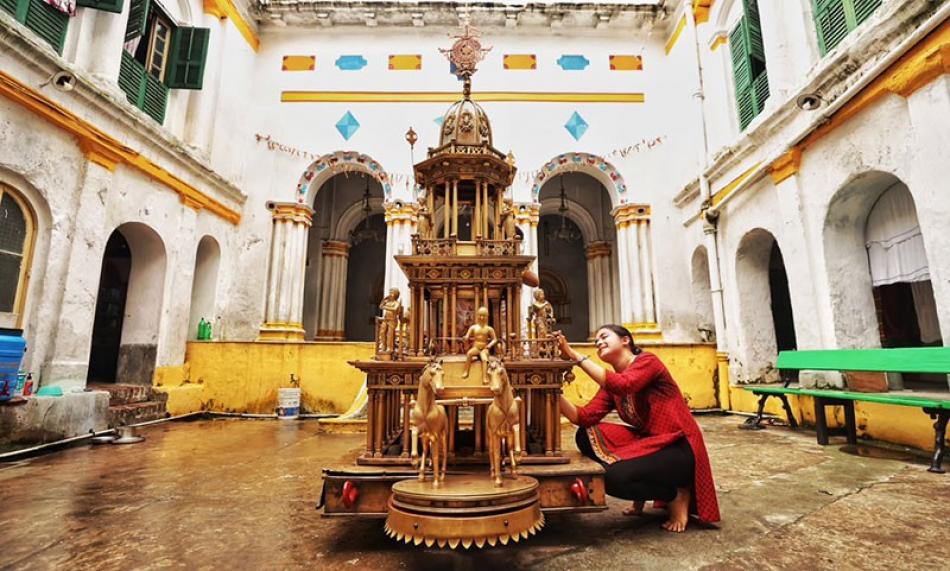


IndiGo has announced a new daily nonstop service between Mumbai and Hanoi, beginning October 25, 2026. The new route will expand the airline’s international network and improve connectivity with Vietnam’s capital, giving passengers more options and flexibility for travel between India and Vietnam.

Aviation major Emirates is taking its award-winning Premium Economy experience a step further with the launch of what it describes as the world’s first electrically powered Premium Economy seat, featuring a full-height adjustable privacy screen between every seat.
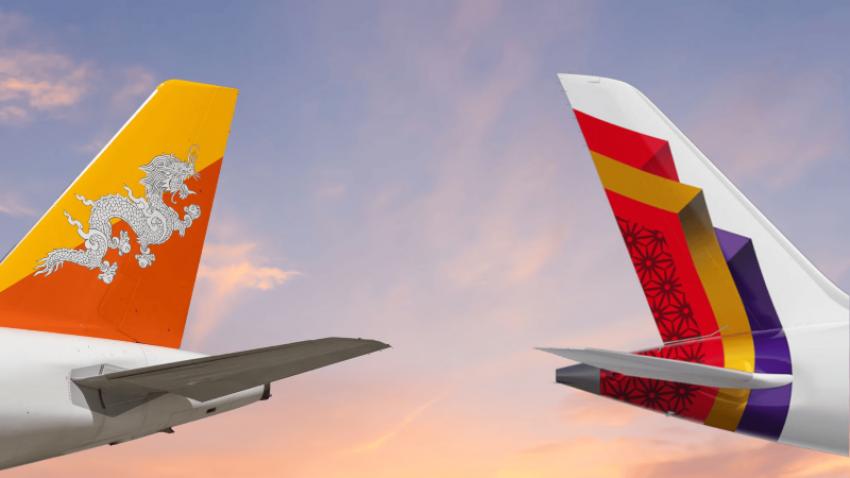
Air India and Drukair, Royal Bhutan Airlines, have entered into an interline partnership to enhance travel convenience and strengthen network connectivity between India, Bhutan, and destinations beyond.