
14 May 2015, 06:22 am
The agreement will be signed during the forthcoming visit of the Prime Minister to China.
The agreement will help both countries in creating an institutional mechanism for enhancing cooperation in the tourism sector.
The main objectives of this agreement, amongst other things, are:
i. To expand bilateral cooperation in the tourism sector.
ii. To exchange information and data related to tourism.
iii. To encourage cooperation between tourism stakeholders including hotels and tour operators.
iv. To establish exchange programmes for cooperation in Human Resource Development.
v. To invest in the tourism and hospitality sectors.
vi. To participate in travel fairs / exhibitions in each other’s country.
vii. To promote safe, honourable and sustainable tourism.
- Amsterdam plans huge tourist tax hike — Visitors could soon pay up to 20 percent
- Germany waives airport Transit Visa requirement for Indian nationals from June 3
- Anand Mahindra amazed by Vande Bharat's journey across Chenab Rail Bridge
- Passengers urged to document luggage amid Canadian airport drug-tag scheme
- South Africa Goes Visa-Free for Indians, But There’s a Catch
- From War Risks to Medical Bills: Why Indian Travellers Need Better Travel Insurance
- Beyond Books – A College Street Heritage Walk to Trace Kolkata’s Literary and Academic Legacy
- Rare Pahari Art from India’s Himalayas Finds a Home at Smithsonian Museum
- Dubai Unveils Its First Fully Private Beach for Women
- Banksy’s Latest Work Pops Up in London, Sparks Midnight Buzz


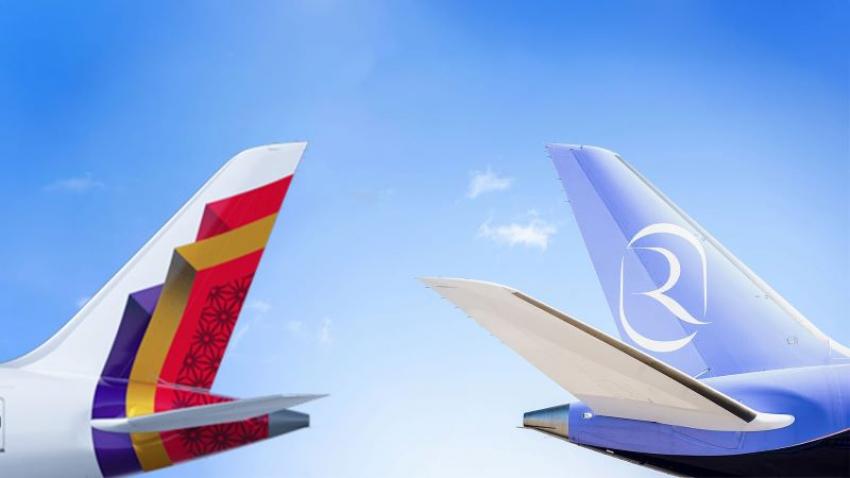
Air India and Riyadh Air have signed a Memorandum of Understanding (MoU) as they look to strengthen links between their networks and offer travellers more convenient connections between India, Saudi Arabia and destinations beyond.
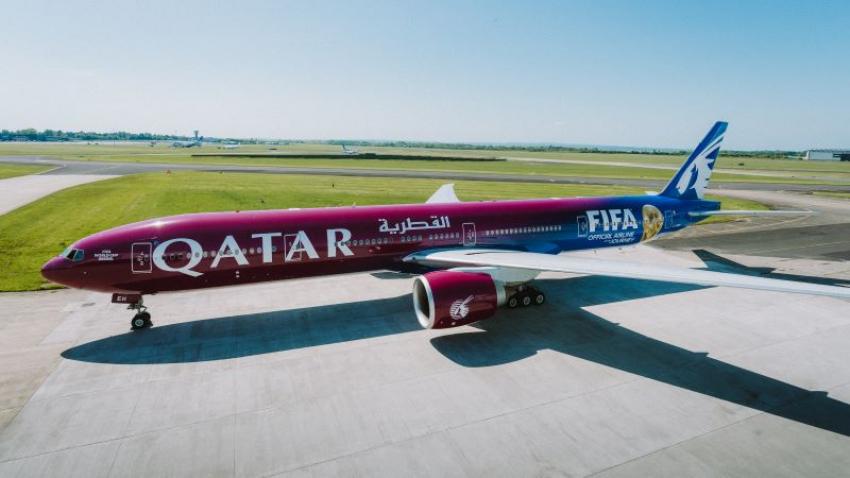
Qatar Airways has launched a Boeing 777 aircraft featuring a special FIFA World Cup 2026 livery, reflecting its ongoing association with FIFA. The aircraft has been unveiled ahead of the tournament and highlights the airline's role in connecting fans, teams, and football communities around the world.
Air India Express announces the launch of its ‘Xpress Sale,’ offering 5 million seats with savings of up to 50% on Lite (Zero Check-in Baggage) and Value fares across its domestic and international network.