
NITN | @notintownlive | 07 Jan 2019, 07:27 am

Tashkent: Uzbekistan’s President Shavkat Mirziyoyev has announced that tourists from 45 countries will be able to visit Uzbekistan visa free, effective from 1 Feb, 2019.
This is the latest in a series of reforms designed to stimulate the Central Asian country’s tourism development, as Mirziyoyev identified tourism and foreign investment as the two priorities for his term when he came to power in December 2016.
Initiatives including the introduction of e-visas in June 2018 have already resulted in an increase in foreign tourist numbers from 2.6 million in 2017 to 5.3 million in 2018. The Ministry of Foreign Affairs anticipates significant further growth in 2019.
National carrier Uzbekistan Airways will take delivery of two new Airbus A320neos and three new Boeing 787 Dreamliners in spring 2019, increasing its capacity on long haul international routes and enabling it to add new destinations. The airline already provides direct flights between London Heathrow and Tashkent, and expects to add a second UK airport to its network this summer.
From Feb 1, 2019, the following countries will be able to enter Uzbekistan visa free for up to 30 days:
Andorra, Canada, Iceland, Mongolia, San Marino, Argentina, Chile, Ireland, Montenegro, Serbia, Australia, Croatia, Italy, Netherlands, Slovenia, Austria, Czech Republic, Latvia, New Zealand, Slovakia, Belgium, Denmark, Liechtenstein, Norway, Spain, Bosnia & Herzegovina, Estonia, Lithuania, Poland, Sweden, Brazil, Finland, Luxembourg, Portugal, Switzerland, Brunei Darussalam, Greece, Malta, Republic of Cyprus, United Kingdom Bulgaria Hungary Monaco Romania, Vatican
Nationals of France, Israel, Indonesia, Japan, Malaysia, Singapore, South Korea, and Turkey were granted visa free access in 2018. Germans will have visa free access from 15 January, 2019.
President Mirziyoyev’s 5 January decrees also stated that:
The existing e-visa scheme will be extended to cover the nationals of 76 countries, and will allow for double and multiple entries;
New visa categories will be created for pilgrims, students, academics, and for medical tourism, and will be available within one month;
Hotels must offer accommodation "regardless of the place of residence, citizenship, kinship and marital relations of individuals, as well as other factors that restrict the right to privacy." This removes restrictions on unmarried couples;
A list of prohibited sites (i.e. those of security concern) will be published on or before 1 Feb, and clearly marked with signs. Tourists may photograph and film all unmarked sites without restriction.
- Kinnaur Kailash Yatra 2026 scheduled for July 30, pilgrim registration to open soon with key guidelines
- Living in Dubai? Invite Your Loved Ones and Enjoy Benefits Worth Over AED 3,000
- For the first time, South City Mall steps from spectator to participant in Kolkata's Durga Puja tradition
- Tatkal Ticket Booking Gets an Upgrade with IRCTC's New Website: What Indian Travellers Need to Know
- 30 Days, No Visa: Thailand Continues Visa-Free Entry for Indians With New Limit
- Jordan Keeps Airspace Open Amid Regional Tensions, Budget Airlines to Resume Flights in October
- Travel Smarter: The CityPASS Hack That Saves Money and Time Across the US and Toronto
- Indian traveller visits Sri Lanka for 7 days—What she discovered surprised her
- You Don't Need Internet Abroad to Use Google Maps. Here's How
- Abu Dhabi to Fujairah in Less Time as UAE Rolls Out First Passenger Train


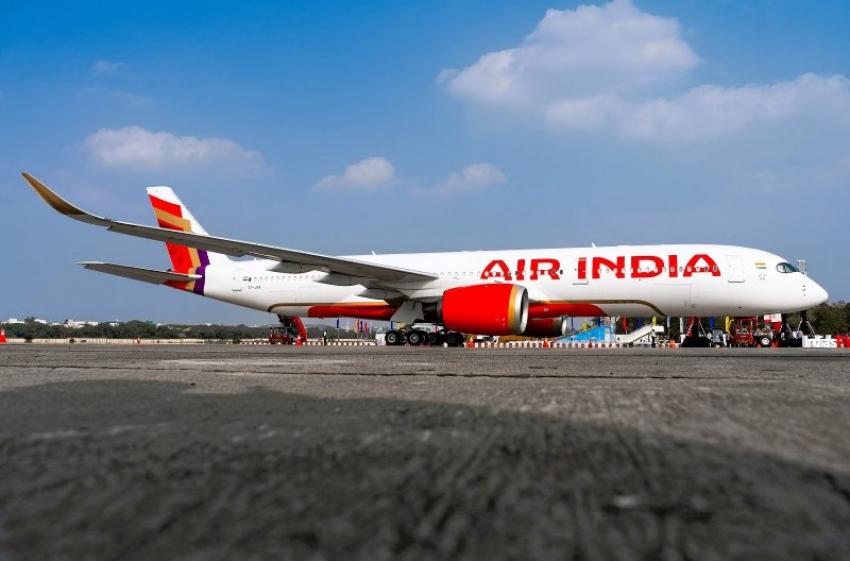
Tata Group-owned Air India and the Ministry of Tourism (MoT), Government of India, have signed a Memorandum of Understanding (MoU) to jointly promote India as a premier global tourism destination and strengthening India’s position as a key aviation and transit hub.
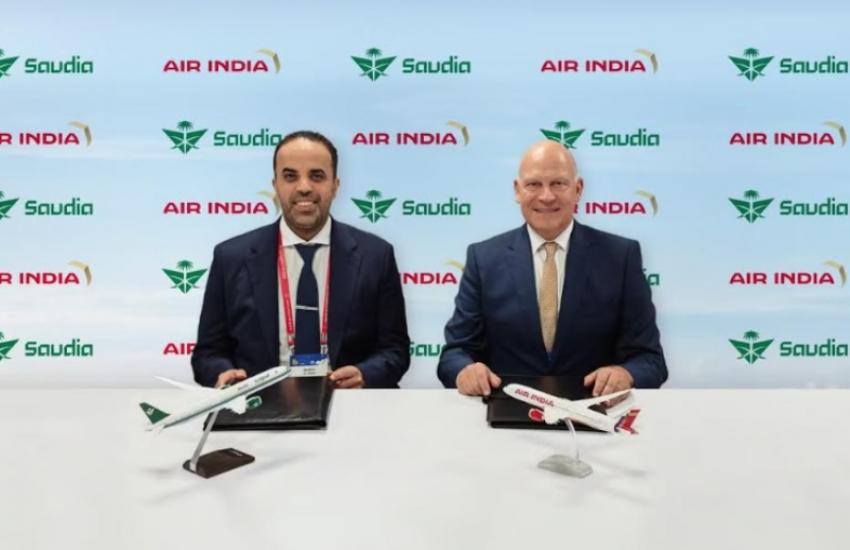
Tata-owned Air India, India’s leading global airline, and Saudia, the national flag carrier of Saudi Arabia, have signed a Memorandum of Understanding (MoU) to expand strategic cooperation between the two airlines.
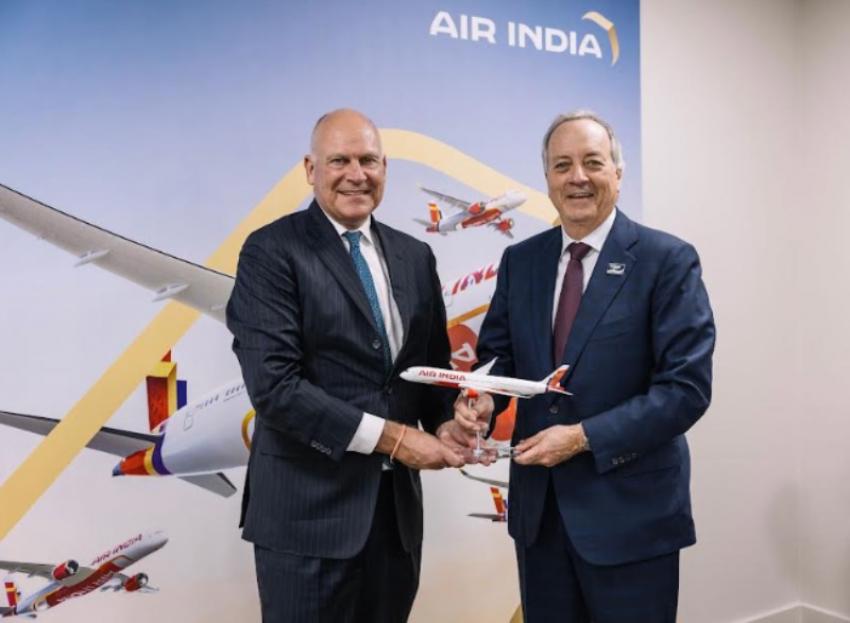
JFK Millennium Partners (JMP), the company selected by the Port Authority of New York & New Jersey to build and operate John F. Kennedy International Airport’s new world-class Terminal 6 (JFK T6), and Air India on Tueday announced that the airline has chosen T6 for its operations beginning in 2028.