
By Soumyadev Sarkar 15 Jan 2015, 07:40 am
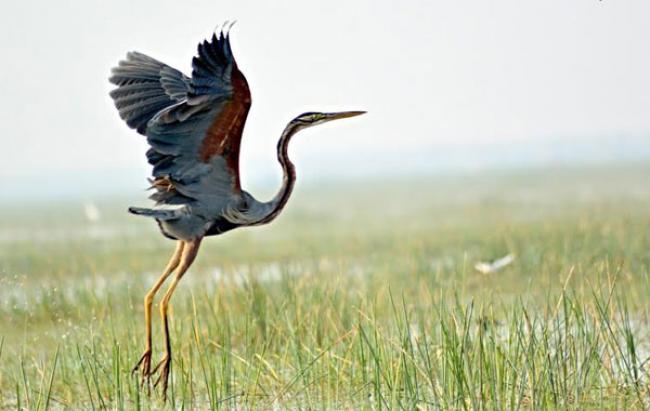
.jpg) The points from which one can enjoy the beauty of Chilika are Rambha and Barkul. Rambha being the more reserved than the latter. Any visitor would appreciate the silence of this place. The place is famous for sunrise over the Chilika.
The points from which one can enjoy the beauty of Chilika are Rambha and Barkul. Rambha being the more reserved than the latter. Any visitor would appreciate the silence of this place. The place is famous for sunrise over the Chilika. .jpg)
- US Envoy Sergio Gor gets a taste of Darjeeling, enjoys Toy Train ride, tea, and local culture
- 1000 Islands: Back to the Waters That Never Left Me
- Priority Pass finally passed the test at JFK: One card, one lounge, a small victory in New York
- Do Not Miss This Museum When You Are in Purulia Next
- Texas Barbecue Takes to the Skies as American Airlines Expands Pecan Lodge Partnership
- Want a Taste of Spain? Taj Taal Kutir Brings 'Spanish Merienda' to Kolkata
- Explore This Hidden Gem in Arunachal - India's 101st Ramsar Site
- Bengali actor Koneenica Banerjee celebrates Bengal's Hilsa love at Kolkata's grand Ilish festival
- Bhutanese Bites to Steaming Momos: Taj Taal Kutir’s Food Festival Takes Kolkata on A Himalayan Trip
- Imagine doing yoga on Hooghly River between two iconic bridges—Kolkata just made it happen


IndiGo has announced a new daily nonstop service between Mumbai and Hanoi, beginning October 25, 2026. The new route will expand the airline’s international network and improve connectivity with Vietnam’s capital, giving passengers more options and flexibility for travel between India and Vietnam.

Aviation major Emirates is taking its award-winning Premium Economy experience a step further with the launch of what it describes as the world’s first electrically powered Premium Economy seat, featuring a full-height adjustable privacy screen between every seat.
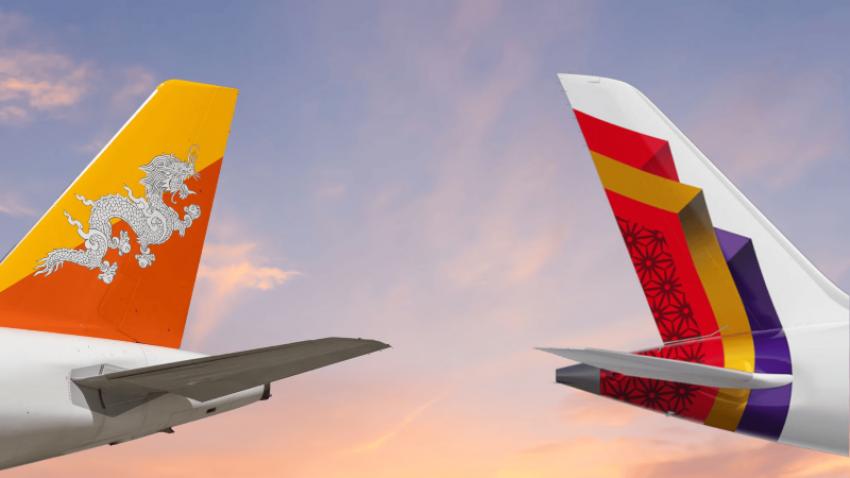
Air India and Drukair, Royal Bhutan Airlines, have entered into an interline partnership to enhance travel convenience and strengthen network connectivity between India, Bhutan, and destinations beyond.