
Travelogue
Travelogue
Elucidating the Ecosystem : Chilika
By Soumyadev Sarkar 15 Jan 2015, 07:40 am
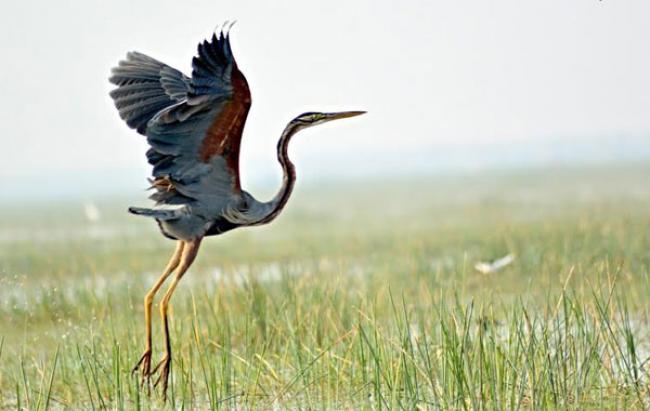
Chilika Lake is Asia's largest brackish lagoon. Having crowned the title of First Indian wetland of International importance under Ramsar Conservation back in 1981, the lake swells from 600 sq km in April / May to 1100 sq km in the monsoon. The ecosystem provides an ideal destination for million plus migratory birds - godwits, ibis, herons, cranes - that gather here in winter from as far away as Siberia and Iran.
.jpg) The points from which one can enjoy the beauty of Chilika are Rambha and Barkul. Rambha being the more reserved than the latter. Any visitor would appreciate the silence of this place. The place is famous for sunrise over the Chilika.
The points from which one can enjoy the beauty of Chilika are Rambha and Barkul. Rambha being the more reserved than the latter. Any visitor would appreciate the silence of this place. The place is famous for sunrise over the Chilika.
A traveller also has the option to take a boat ride to Bird's Island, Honeymoon Island and Breakfast Island. Rambha is also the nearest place to stay for turtle-watching on Rishikulya beach.
Rishikulya attracts Olive Ridley Turtle, one of the smallest sea turtles and a threatened species. The Olive Ridley marine turtle swims up from deeper waters beyond Sri Lanka to mate and lay eggs on Odisha's beaches. In January and February, the turtles congregate near nesting beaches and, if conditions are right, come ashore. Otherwise, they reabsorb their eggs and leave without nesting. Hatchlings emerge 50-55 days later and are guided to the sea by the luminescence of the ocean and stars. They can be easily distracted by bright lights; unfortunately NH5 runs within 2 km of Rishikulya beach. It is best to visit the nesting beach at dawn when lights are not necessary. During nesting and hatching, activity takes place throughout the night..jpg)
Barkul, a bit busier, is just a scatter of houses, basic 'lodges' and food stalls. A boat ride is available to Kalijai island, well-known for Kalijai temple. Lucky ones can also spot dolphins during the boat-ride.
Proper conservation and promotion of eco tourism have been instrumental in protecting the avian community for the past few years. Mangalajodi has been the best example. The village encourages eco-tourism. Unknown before 2006, this small village is now the favourite destination of about 40,000 waterfowls spread among some 160 species. It's all one have to do is to take a sunrise canoe ride in winter, when tepid sunlight illuminates the waters and the cackle of various species of ducks provides the only soundtrack.
More Travelogue
- Step Inside Changi: The Airport That Keeps Winning the World Over
- Step Inside Changi: The Airport That Keeps Winning the World Over
- Butter Biryani? Chef’s Viral Recipe Wins Over Foodies
- Pahari Maggi: How a Swiss Noodle Conquered Every Indian Hill
- From Palaces to Plates: Taj City Centre Launches 'Flavours of Rajasthan' in Kolkata
- Chef Vikas Khanna Earns TIME 100 Honour, a Milestone for India's Culinary Legacy
- Jharkhand's Best Kept Secret! Anand Mahindra Recommends This Scenic Hill Station
- Prague 48 Hours: Truly, Madly, Deeply
- You Can Live Rent-Free on This Greek Island—If You Don’t Mind Caring for Cats
- Food, travel and untold stories: Shipra Khanna’s new show promises a delicious global ride

Fuel crisis hits skies: Luf ...
The ongoing conflict in Iran is exerting significant pressure on the global aviation sector, with rising jet fuel prices and supply concerns creating challenges for both airlines and passengers.

Planning to Fly with Your P ...
Etihad Airways has announced a special promotional offer on its Pets Onboard service, making it more accessible for travellers flying with their cats and dogs.

Economy Just Got More Comfy ...
Travelling with Air New Zealand is set to become significantly more comfortable, with the airline introducing its innovative Skycouch — a feature that allows footrests to fold up and convert three Economy seats into a flat surface, giving passengers space to stretch out and relax.