
NITN | @notintownlive | 10 Dec 2019, 02:53 am
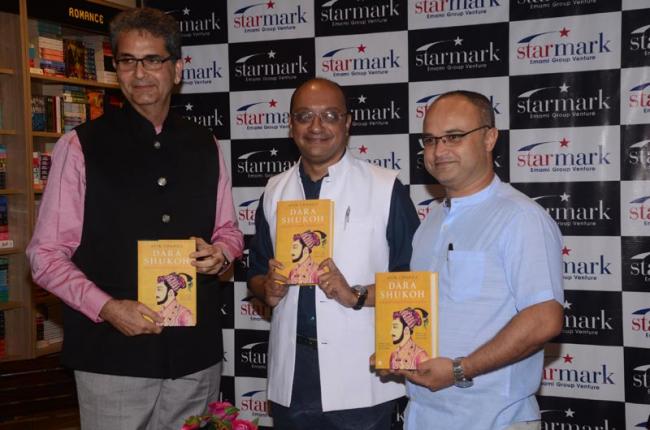
Kolkata: Kolkata’s leading bookstore chain Starmark, in association with HarperCollins India, hosted the launch of entrepreneur-writer Avik Chanda’s book ‘Dara Shukoh The Man Who Would Be King’ at its South City Mall outlet recently.
After the launch, the author was in conversation with Shahanshah Mirza and Anthony Khatchaturian. An interesting question-and-answer session saw many persons in the audience interact with the author.
Dara Shukoh - the emperor Shah Jahan's favourite son, and heir-apparent to the Mughal throne prior to being defeated by Aurangzib - has sometimes been portrayed as an effete prince, incompetent in military and administrative matters.
But his tolerance towards other faiths, and the myths and anecdotes surrounding him, continue to fuel the popular imagination. Even today, over 350 years after his death, the debate rages on: if this 'good' Mughal had ascended the throne instead of his pugnacious younger brother, how would that have changed the course of Indian history?
.jpg)
Dara Shukoh: The Man Who Would Be King brings to life the story of this enigmatic Mughal prince.
"Rich in historical detail and psychological insight, it brilliantly recreates a bygone age, and presents an empathetic and engaging portrait of the crown prince who was, in many ways, clearly ahead of his times," the publisher said.
The writer, Avik Chanda, holds degrees in economics from Kolkata's Presidency College and the Delhi School of Economics. With two decades of global Big 4 Consulting experience, he is a business adviser, entrepreneur, trainer and a speaker at the Outstanding Speaker's Bureau.
He has published two poetry collections, Jokhon Bideshe, in Bengali (Protibhash, 2006) and Footnotes (Shearsman, 2008), besides a novel, Anchor (HarperCollins, 2015). His acclaimed business book, From Command To Empathy: Using EQ in the Age of Disruption (HarperCollins, 2017), co-authored with Suman Ghose, was featured in 2018 in Amazon India's Best Reads, under 'Business, Strategy and Management'.
- Project Prayas: Taj Hotels, Prabha Khaitan Foundation turn hospitality floors into learning spaces for young adults with special needs
- Sona College of Technology Fashion Technology students win Ministry of Textiles' Design Innovation Hackathon
- Reliance Industries posts record quarterly revenue of ₹3.4 lakh crore, Jio IPO on the horizon
- Prabha Khaitan Foundation, French Embassy explore deeper Indo-French cultural collaboration
- World Music Day 2026 Concert Writes a New Chapter in Kolkata's Cultural Soul
- Big boost for UPI: India’s digital payment system expands to Cambodia
- India at Cannes 2026: Glitter on the Croisette, But Where Is the Cinema?
- Sona College announces admissions to BTech in Computer Science, IT, AI-ML & Data Science
- NEET-UG to shift to Computer-Based test mode from 2027, says Dharmendra Pradhan; experts welcome move
- Sona College of Technology launches ‘Sona ChipIN Centre’ with latest semiconductor EDA tools

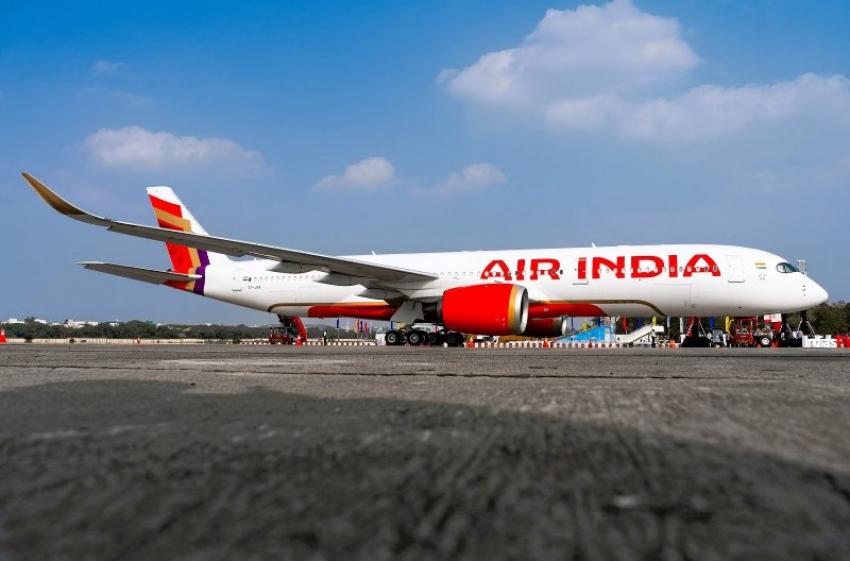
Tata Group-owned Air India and the Ministry of Tourism (MoT), Government of India, have signed a Memorandum of Understanding (MoU) to jointly promote India as a premier global tourism destination and strengthening India’s position as a key aviation and transit hub.
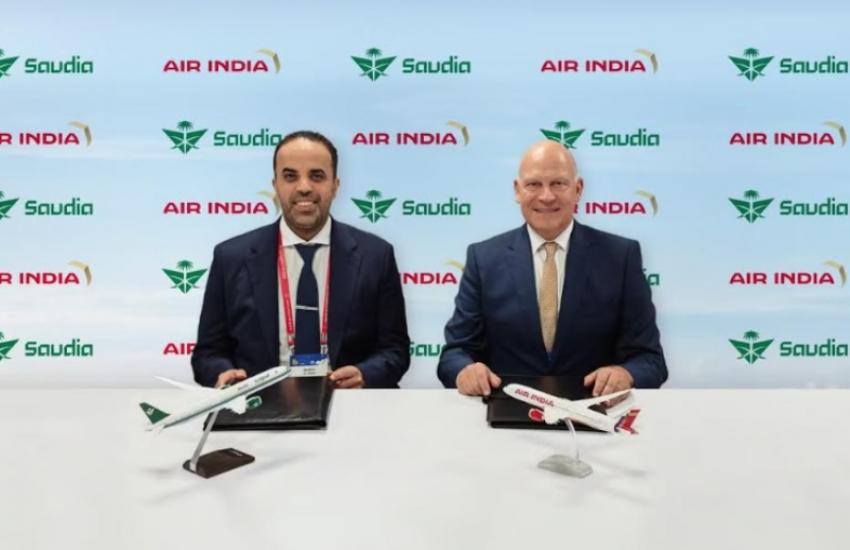
Tata-owned Air India, India’s leading global airline, and Saudia, the national flag carrier of Saudi Arabia, have signed a Memorandum of Understanding (MoU) to expand strategic cooperation between the two airlines.
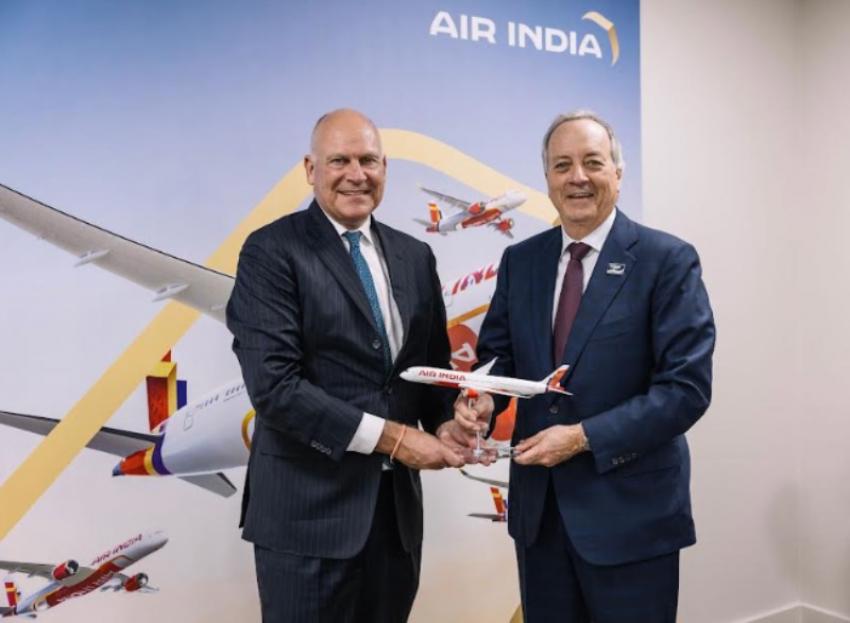
JFK Millennium Partners (JMP), the company selected by the Port Authority of New York & New Jersey to build and operate John F. Kennedy International Airport’s new world-class Terminal 6 (JFK T6), and Air India on Tueday announced that the airline has chosen T6 for its operations beginning in 2028.