
NITN | @notintownlive | 30 Oct 2017, 11:21 am
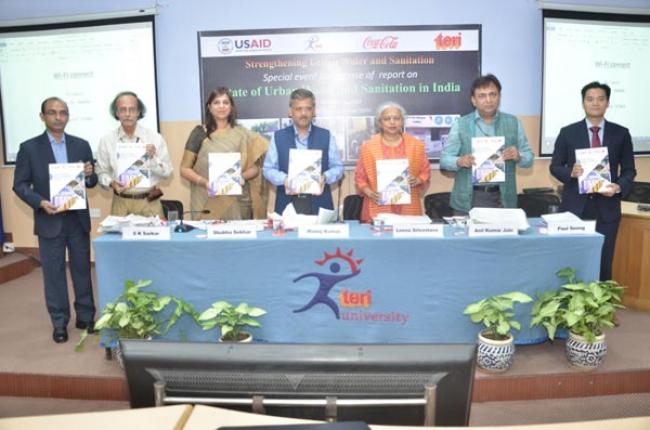
The report examines three years (2014-2017) of policies and programs to improve access to clean water and sanitary facilities. It presents policy makers with a snapshot of efforts made since the beginning of the Swachh Bharat Mission (SBM).
The report highlights best practices from the past three years and gives recommendations to help policy makers achieve SBM goals faster. The project sought to create lasting education programs designed by experts for students and city officials that would help change policies and community behaviours. The report can be read at: http://www.teriuniversity.ac.in/.
The report on the State of Urban Water and Sanitation in India is calls for more detailed data to help city managers make their cities cleaner. The report asks specifically for information about waste collection, the cost of city services, and how waste is treated in each city. This could help city managers better understand the needs of their cities and reach the goals set out by the national government under the Swachh Bharat Mission (SBM).
In his inaugural address, Manoj Kumar, Additional Secretary, Ministry of Housing and Urban Affairs, said: “Today, India is fighting a decisive battle for cleanliness and hygiene through the Swachh Bharat Mission. It is time for each one of us to commit ourselves towards ensuring public hygiene, personal hygiene and environmental hygiene. It is remarkable to note that the government, politicians, celebrities, NGOs, private enterprises are all working together to achieve a common goal.”
Following the release of the report, experts from TERI University spoke about their experiences in improving access to water and sanitation. Dr. S. K. Sarkar, Distinguished Fellow from TERI University, agreed saying, “The State of Urban Water and Sanitation in India report encapsulates India’s journey towards achieving total sanitation in urban India. The report assesses the lessons learnt from successes and failures in the urban water and sanitation sector.”
Addressing the guests, Leena Srivastava, Vice-Chancellor, TERI University, New Delhi, said, “It has been a great experience for TERI University to be associated with USAID and Coca-Cola India in this project. Multiple activities in this project have been synchronized to have a long- lasting impact on the urban water and sanitation sector in India through education, engagement, and human resources development.”
Shubha Sekhar, Director, CSR & Sustainability India and South West Asia Coca-Cola said: “Enlightenment, as we know, begins from sanitation, as it provides the fundamental bedrock for human well-being. At Coca-Cola India we are committed towards building a holistic, happy, and healthy society and are proud to be associated with TERI University and further engaging with students, teachers, and communities across 18 States of India on grass-roots- level WASH issues. Our water stewardship approach is aligned to the global goals and seeks to contribute towards sustainable solutions for moving closer to achieving the SDGs.”
Paul Seong, Deputy Director, Office of Social Sector Initiatives, USAID, said: “This new report, the policy briefs, discussion papers, strategy paper, and model curriculum will help current and future policy makers choose the best ways to help their communities become cleaner, faster. We are proud to have been a part of this effort with TERI University and Coca-Cola. This program contributes directly to the U.S. Government’s commitment to the Ministry of Housing and Urban Affairs to support access to improved sanitation.”
- Project Prayas: Taj Hotels, Prabha Khaitan Foundation turn hospitality floors into learning spaces for young adults with special needs
- Sona College of Technology Fashion Technology students win Ministry of Textiles' Design Innovation Hackathon
- Reliance Industries posts record quarterly revenue of ₹3.4 lakh crore, Jio IPO on the horizon
- Prabha Khaitan Foundation, French Embassy explore deeper Indo-French cultural collaboration
- World Music Day 2026 Concert Writes a New Chapter in Kolkata's Cultural Soul
- Big boost for UPI: India’s digital payment system expands to Cambodia
- India at Cannes 2026: Glitter on the Croisette, But Where Is the Cinema?
- Sona College announces admissions to BTech in Computer Science, IT, AI-ML & Data Science
- NEET-UG to shift to Computer-Based test mode from 2027, says Dharmendra Pradhan; experts welcome move
- Sona College of Technology launches ‘Sona ChipIN Centre’ with latest semiconductor EDA tools

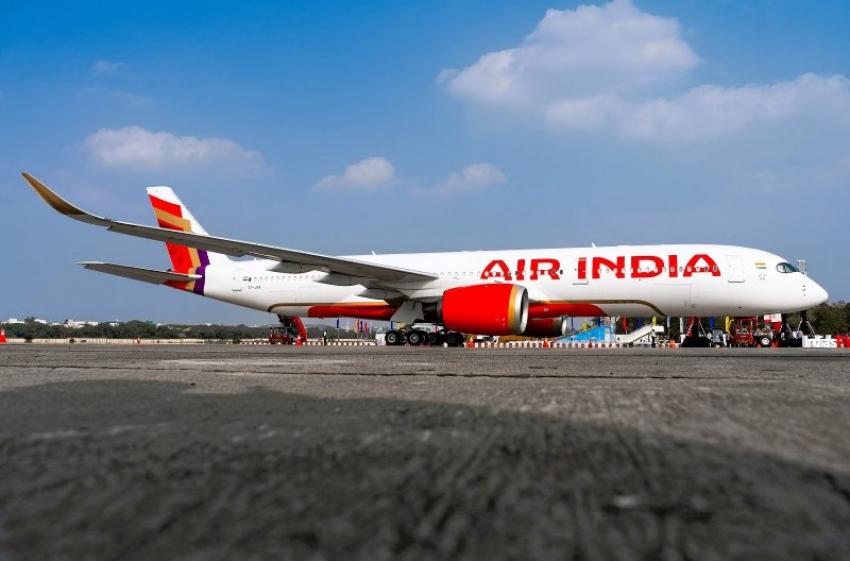
Tata Group-owned Air India and the Ministry of Tourism (MoT), Government of India, have signed a Memorandum of Understanding (MoU) to jointly promote India as a premier global tourism destination and strengthening India’s position as a key aviation and transit hub.
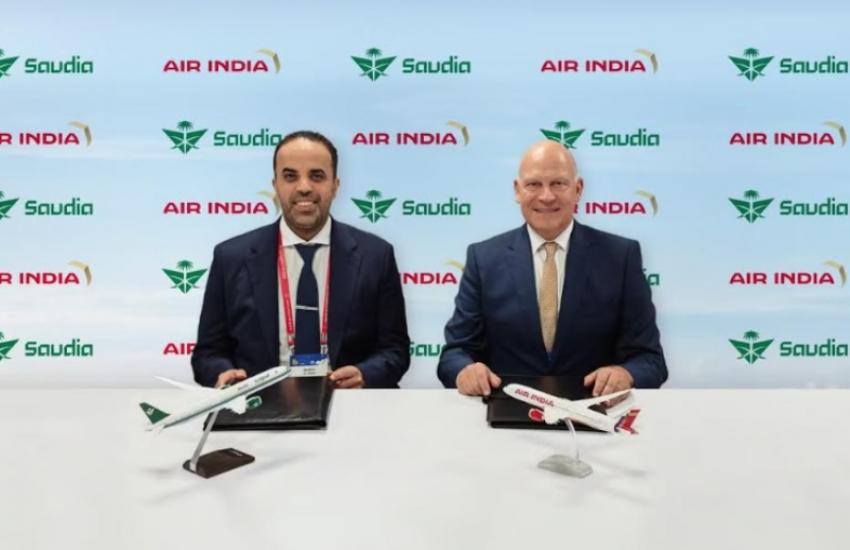
Tata-owned Air India, India’s leading global airline, and Saudia, the national flag carrier of Saudi Arabia, have signed a Memorandum of Understanding (MoU) to expand strategic cooperation between the two airlines.
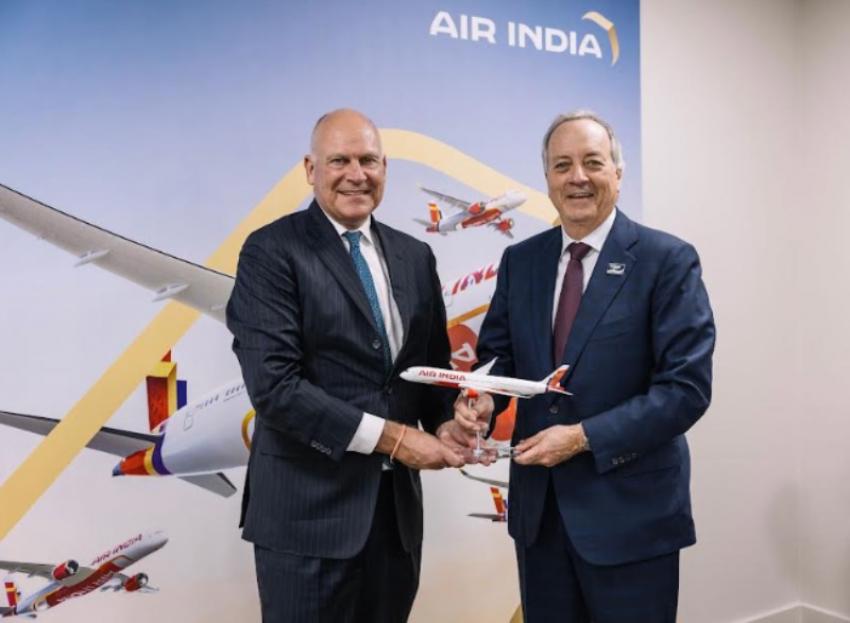
JFK Millennium Partners (JMP), the company selected by the Port Authority of New York & New Jersey to build and operate John F. Kennedy International Airport’s new world-class Terminal 6 (JFK T6), and Air India on Tueday announced that the airline has chosen T6 for its operations beginning in 2028.