
NITN | @notintownlive | 08 Mar 2021, 11:48 pm
 Travel
Image credit: UN News/Matthew Wells
New York: Around a third of 217 world travel destinations surveyed remain completely closed to international tourists, as concerns grow over the impact of new coronavirus variants, and some governments reverse efforts to ease restrictions, according to a new report released by the UN World Tourism Organization (UNWTO) on Monday.
Among the destinations now off limits, more than half of them have been inaccessible to overseas travelers since 27 April last year.
Moreover, most of the former tourist draws affected, are in Asia, the Pacific and Europe, according to the UNWTO Travel Restrictions Report.
On the other side of the coin, more than a third of global tourism destinations are now partially open to international visitors, with Albania, Costa Rica, Dominican Republic, North Macedonia and Tanzania, lifting all COVID-19 related travel restrictions.
‘Safe and responsible’
Noting that travel restrictions have been widely used to restrict the spread of the virus, Zurab Polilikashvili, UNWTO Secretary-General, stressed that “as we work to restart tourism, we must recognise that restrictions are just one part of the solution.”
He further underscored that travel restrictions must be based on the latest data and analysis, and consistently reviewed “so as to allow for the safe and responsible restart of a sector upon which many millions of businesses and jobs depend.”
Testing and quarantine
The report shows a growing trend in international destinations “adopting a more nuanced, evidence and risk-based approach” to coronavirus linked travel restrictions, said the UN agency in its news release on the report.
More countries are requiring tourists to present a negative Polymerase Chain Reaction (PCR) or COVID-19 antigen test for entry, as well as providing contact details for tracing purposes.
Just over 30 per cent of all worldwide destinations have made presenting negative test results their main requirement for entry, which the same proportion are making tests a secondary or tertiary measure.
So far 70 world destinations have adopted such an approach, with additional quarantine requirements. Around a third of these destinations are Small Island Developing States (SIDS) in the Americas.
Remaining cautious
According to UNWTO, many governments have advised their citizens to avoid non-essential travel abroad, including governments of the top ten destinations who have adopted that policy, which received 44% of all international tourists worldwide, according to figures from March 2018.
How they review policies in the light of the pandemic, will play a critical role in restarting and restoring global tourist flows in the months ahead, said the report.
- Phone, Wallet Stolen Abroad? Knowing These Steps Can Save Your Trip
- Travelling Abroad from India? Know How Much Foreign Currency You Can Carry
- Air India teams up with IHG, offers Maharaja Club Members reward points on hotel bookings
- Fujifilm’s new 609mm-equivalent lens brings serious long-range reach without the usual weight
- Google’s AI mode is becoming your travel agent—Here’s what it can now do
- Littering on trains to cost more? Railways doubles fine to Rs 1,000 — check other penalties
- Dubai Airport traffic crashes 31% in H1 amid US-Iran conflict
- Bali Backlash: Swiss Tourist Jailed After 'Crazy' Video Mocks Hindu Nyepi Holiday
- London’s Thames to witness Ganga Aarti: Here’s what’s happening on September 13
- Going to Sri Lanka? This new UPI perk could make your rides cheaper



IndiGo has announced a new daily nonstop service between Mumbai and Hanoi, beginning October 25, 2026. The new route will expand the airline’s international network and improve connectivity with Vietnam’s capital, giving passengers more options and flexibility for travel between India and Vietnam.

Aviation major Emirates is taking its award-winning Premium Economy experience a step further with the launch of what it describes as the world’s first electrically powered Premium Economy seat, featuring a full-height adjustable privacy screen between every seat.
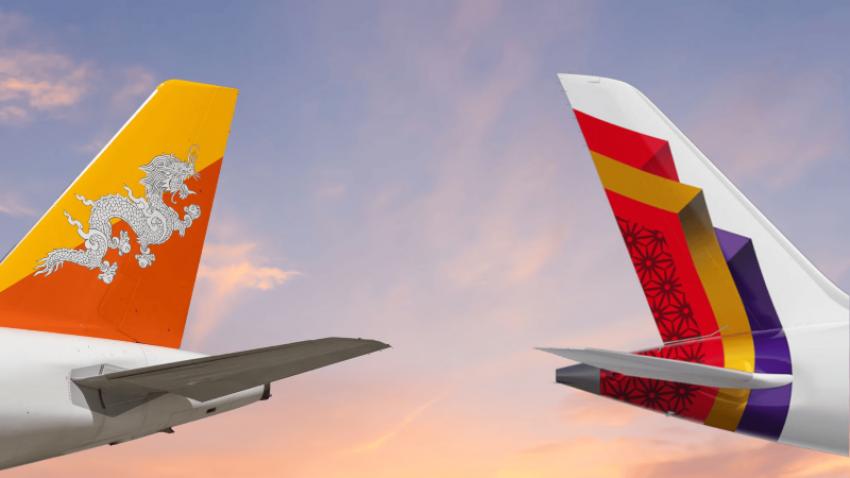
Air India and Drukair, Royal Bhutan Airlines, have entered into an interline partnership to enhance travel convenience and strengthen network connectivity between India, Bhutan, and destinations beyond.