
Just Earth News | @justearthnews | 29 Mar 2021, 04:57 am
 Srinagar Airport
Srinagar: The aviation regulator of India, Director General of Civil Aviation (DGCA) on Saturday gave approval to the night flight operations at the Srinagar International Airport.
Director, Airports Authority of India (AAI), Srinagar, Santosh Dhoke said that the regular night flights at the Srinagar Airport will start from March 28.
“The last daily flight scheduled from Srinagar is at 7:50 PM. We are hopeful that night flight operations will benefit the flyers,” Dhoke said.
It may be recollected that GoAir and IndiGo were among the airlines that operated successful test run of night flights last week at the Srinagar Airport
- Living in Dubai? Invite Your Loved Ones and Enjoy Benefits Worth Over AED 3,000
- For the first time, South City Mall steps from spectator to participant in Kolkata's Durga Puja tradition
- Tatkal Ticket Booking Gets an Upgrade with IRCTC's New Website: What Indian Travellers Need to Know
- 30 Days, No Visa: Thailand Continues Visa-Free Entry for Indians With New Limit
- Jordan Keeps Airspace Open Amid Regional Tensions, Budget Airlines to Resume Flights in October
- Travel Smarter: The CityPASS Hack That Saves Money and Time Across the US and Toronto
- Indian traveller visits Sri Lanka for 7 days—What she discovered surprised her
- You Don't Need Internet Abroad to Use Google Maps. Here's How
- Abu Dhabi to Fujairah in Less Time as UAE Rolls Out First Passenger Train
- Going to Greece Soon? Don't Miss This Big Payment Update


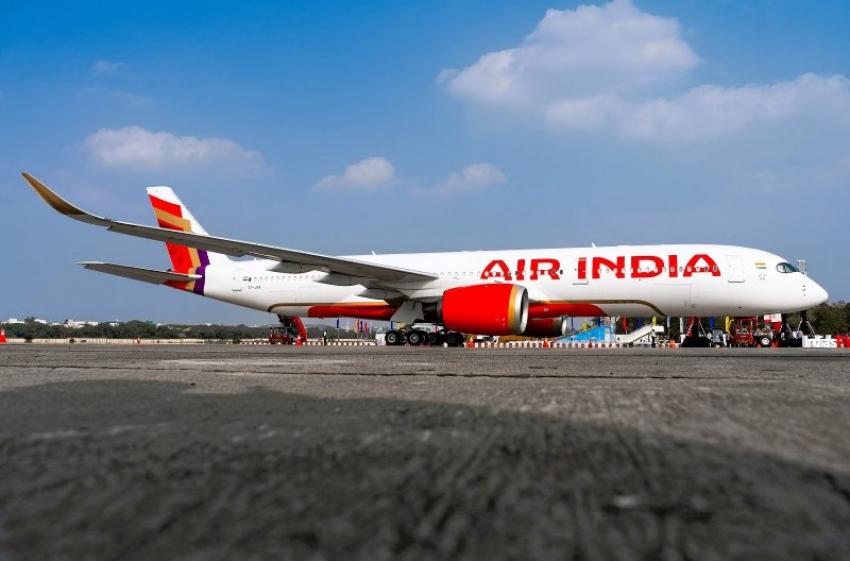
Tata Group-owned Air India and the Ministry of Tourism (MoT), Government of India, have signed a Memorandum of Understanding (MoU) to jointly promote India as a premier global tourism destination and strengthening India’s position as a key aviation and transit hub.
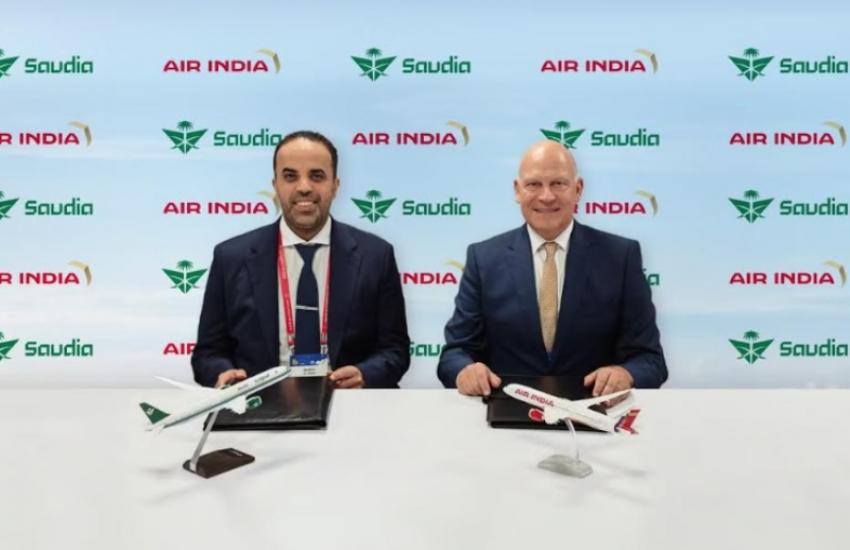
Tata-owned Air India, India’s leading global airline, and Saudia, the national flag carrier of Saudi Arabia, have signed a Memorandum of Understanding (MoU) to expand strategic cooperation between the two airlines.

JFK Millennium Partners (JMP), the company selected by the Port Authority of New York & New Jersey to build and operate John F. Kennedy International Airport’s new world-class Terminal 6 (JFK T6), and Air India on Tueday announced that the airline has chosen T6 for its operations beginning in 2028.