
NITN | @notintownlive | 01 Oct 2021, 08:59 am
 Australia | Travels
Canberra/NITN: Australian Prime Minister Scott Morrison on Friday announced plans to resume international travel and reopen the country's borders to the fully vaccinated citizens and permanent residents.
Scott Morrison in a statement said the Oceanian country is all set to move from a strict zero-Covid strategy to a model of living with the virus— "balancing the need to minimise the risk that the spread of Covid-19 presents, with the need to live with the virus".
The move, which is expected to take effect in November, comes more than 18 months after Australia closed its borders to the world to contain the spread of Covid-19, imposing quotas on arrivals.
Due to the Australian government's decision, thousands of citizens had been stranded overseas and those able to make the journey had to undergo a mandatory 14-day hotel quarantine.
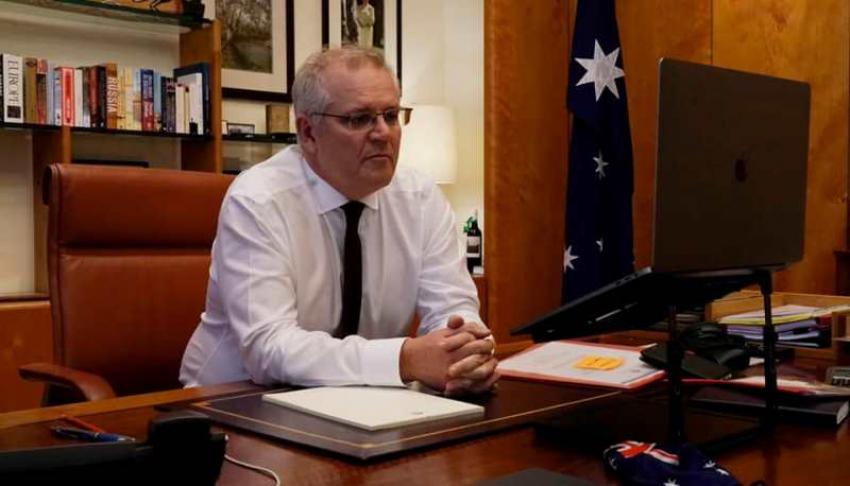
The Prime Minister's Office stated that with first dose vaccination rates at over 78 per cent and double dose rates nationwide at 55 per cent, and on track to reach 70 per cent in some jurisdictions over the next week, the Australian government had been finalising plans to ease the restrictions on international traveling and border movements.
"To enable fully vaccinated Australians to travel, our government is finalising new arrangements," according to the PMO statement.
"Following completion of home quarantine pilots in New South Wales and South Australia, it is anticipated that states and territories that are ready to do so will roll out— Seven day home quarantine for Australian citizens and permanent residents fully vaccinated with a vaccine approved for use in Australia or ‘recognised’ by the Therapeutic Goods Administration (TGA), and 14-day managed quarantine for anyone not vaccinated or vaccinated with a vaccine not approved or recognised by the TGA," the statement read.
Prime Minister Morrison said that Australian citizens and permanent residents who could not be vaccinated- for example if they are under 12 or have a medical condition- will be treated as vaccinated for the purposes of their travel.
"The government’s intention is that once changes are made in November, the current overseas travel restrictions related to COVID-19 will be removed and Australians will be able to travel subject to any other travel advice and limits, as long as they are fully vaccinated and those countries’ border settings allow," the statement read.
"There will be no travel restrictions if you are a vaccinated Australian entering or leaving our shores, and we will also work towards completely quarantine-free travel for certain countries, such as New Zealand, when it is safe to do so," the statement added.
According to the statement, "Testing is expected to continue to be a requirement of international travel, but subject to further medical advice, Rapid Antigen Tests may be used."
Scott Morrison said that more than 680,000 Australians had returned since the government recommended people to reconsider the need to travel abroad in March last year.
(Image:Unsplash)
- Emirates expands in Japan with new Travel Store in Tokyo and additional Narita flights
- IndiGo passengers get a surprise at 30,000 feet: Here's what they were asked to do
- Riyadh Airport shut until October 17 after deadly Houthi attacks
- Navi Mumbai Airport’s aviation push: TajSATS facility ready to handle rising passenger demand
- Malaysia stays visa-free for Indians through 2026, but entry rules still apply
- Singapore introduces tougher penalties for disruptive behaviour on public transport
- Etihad Rail launches passenger service between Dubai and Abu Dhabi
- New Zealand moves most visitor visa applications to enhanced online system
- Indian passport rules changed: New validity, fees for children and adults explained
- Azerbaijan makes F1 travel easier for Indian fans with visa on arrival



Air India will launch non-stop flights between Delhi and Osaka’s Kansai International Airport on 2 February 2027, becoming the only airline to operate on the route. The airline will run four flights a week between the Indian capital and Osaka, Japan’s second-largest metropolitan area, using Boeing 787-8 aircraft.
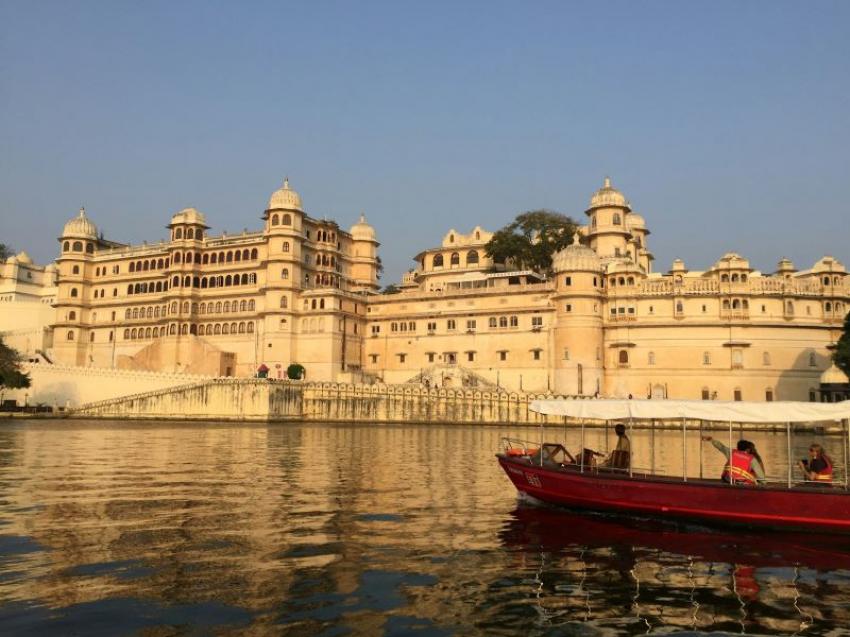
IndiGo will introduce daily non-stop flights to Udaipur from Noida International Airport and Navi Mumbai International Airport, starting October 25 and November 15, 2026 respectively.
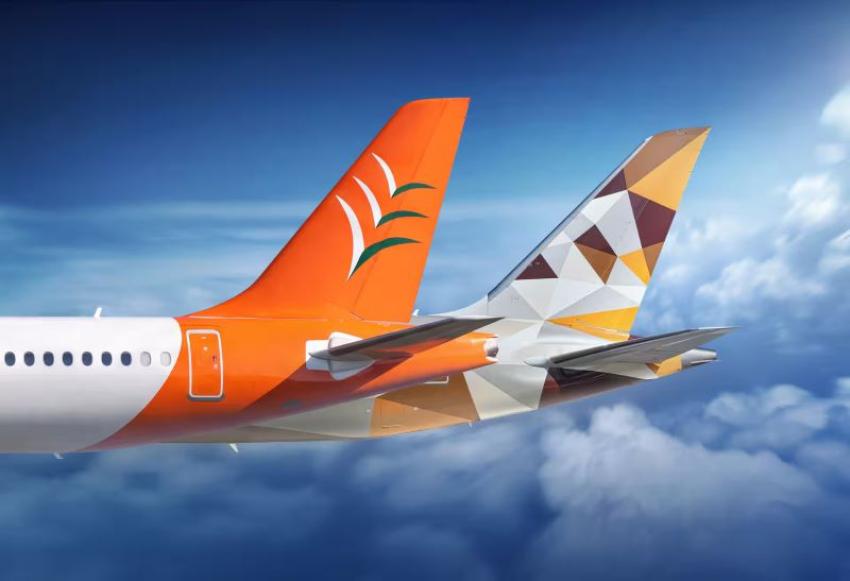
Etihad Airways and Nigerian carrier Ibom Air have signed an interline agreement that will allow passengers travelling with Etihad to connect beyond Lagos and Accra to five cities in Nigeria on a single ticket.