NITN | @notintownlive | 05 Oct 2021, 07:43 am
 Australia | Covid-19
Image: Wikimedia Creative Commons
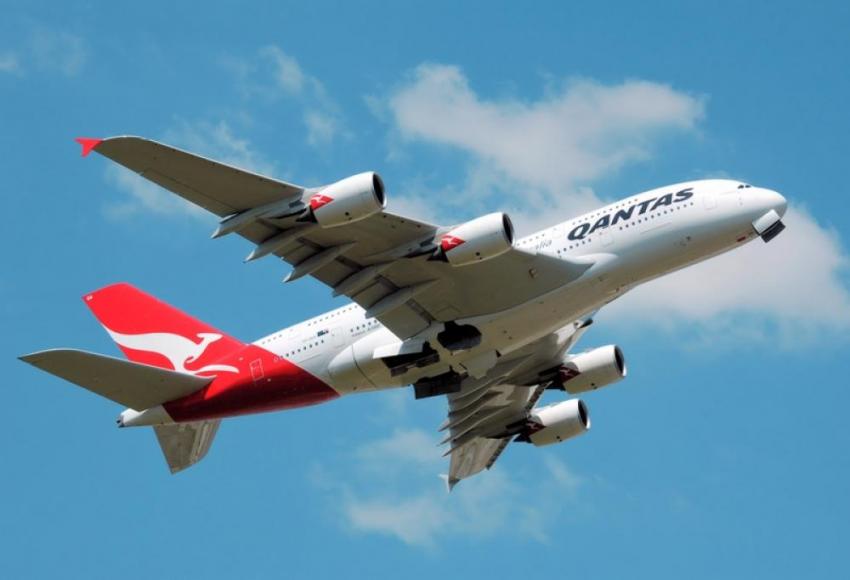
Canberra/NITN: Australian Prime Minister Scott Morrison has said the country will not welcome international tourists until next year, while the returns of skilled migrants and overseas students will be given higher priority.
During an interview to Australia-based Seven Network television on Tuesday, Prime Minister Morisson said that Australian citizens and residents, who are vaccinated, will be able to travel overseas and return.
"The first priority is Australians, and the next priorities are skilled migrants that are very important for the country and who are double vaccinated, as well as students who are coming and returning to Australia for their studies," Scott Morrison told Seven Network.
"We will get to international visitors as well, I believe next year," Morrison added.
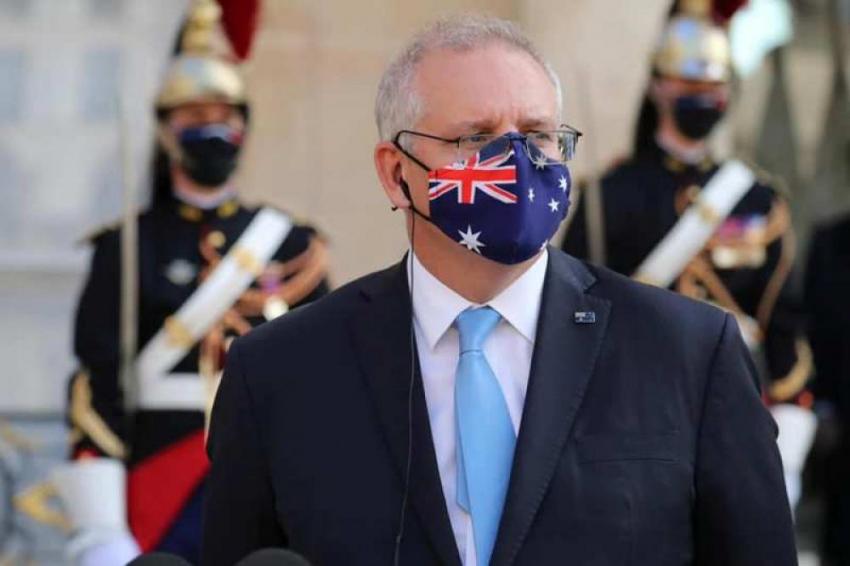
Talking about the vaccination roll out in the Oceanian country, Scott Morrison said, "Australia's vaccination programme is running very strongly, and today we have reached the 'milestone' of 80 percent of the eligible population— aged 16 and older— having received first doses of a COVID-19 vaccine."
"When we get to 70 and 80 percent vaccination (double doses), then we will also have treatments in place into the future so we can ensure the pressure comes off the hospitals, we can live with the virus," the Prime Minister said in the interview.
"We can ensure Australians can take their lives back. We've saved lives, saved livelihoods, and I want to see Australians now take their lives back," Morrison added.
Last week, PM Morrison outlined plans to allow vaccinated Australian citizens and permanent residents to fly overseas and to ease border restrictions from November, as the country is all set to move from a strict zero-Covid strategy to a model of living with the virus.
Related article: Australia reveals plan to resume international travel, ease border restrictions
The move comes more than 18 months after Australia closed its borders to the world to contain the spread of Covid-19, imposing quotas on arrivals.
Due to the Australian government's decision, thousands of citizens had been stranded overseas and those able to make the journey had to undergo a mandatory 14-day hotel quarantine.
- Planning India trip? Thai tourists can now get 30-day e-Visa without fee
- Phone, Wallet Stolen Abroad? Knowing These Steps Can Save Your Trip
- Travelling Abroad from India? Know How Much Foreign Currency You Can Carry
- Air India teams up with IHG, offers Maharaja Club Members reward points on hotel bookings
- Fujifilm’s new 609mm-equivalent lens brings serious long-range reach without the usual weight
- Google’s AI mode is becoming your travel agent—Here’s what it can now do
- Littering on trains to cost more? Railways doubles fine to Rs 1,000 — check other penalties
- Dubai Airport traffic crashes 31% in H1 amid US-Iran conflict
- Bali Backlash: Swiss Tourist Jailed After 'Crazy' Video Mocks Hindu Nyepi Holiday
- London’s Thames to witness Ganga Aarti: Here’s what’s happening on September 13



IndiGo has announced a new daily nonstop service between Mumbai and Hanoi, beginning October 25, 2026. The new route will expand the airline’s international network and improve connectivity with Vietnam’s capital, giving passengers more options and flexibility for travel between India and Vietnam.

Aviation major Emirates is taking its award-winning Premium Economy experience a step further with the launch of what it describes as the world’s first electrically powered Premium Economy seat, featuring a full-height adjustable privacy screen between every seat.
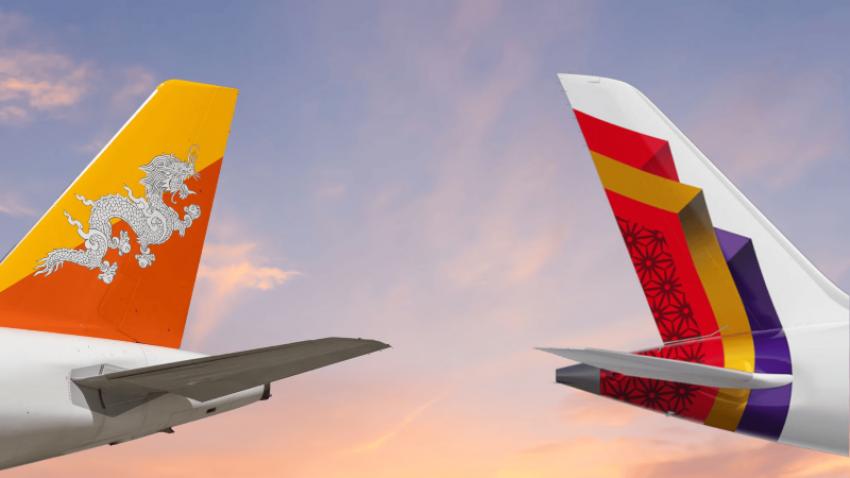
Air India and Drukair, Royal Bhutan Airlines, have entered into an interline partnership to enhance travel convenience and strengthen network connectivity between India, Bhutan, and destinations beyond.