
NITN | @notintownlive | 20 Jan 2022, 09:23 am
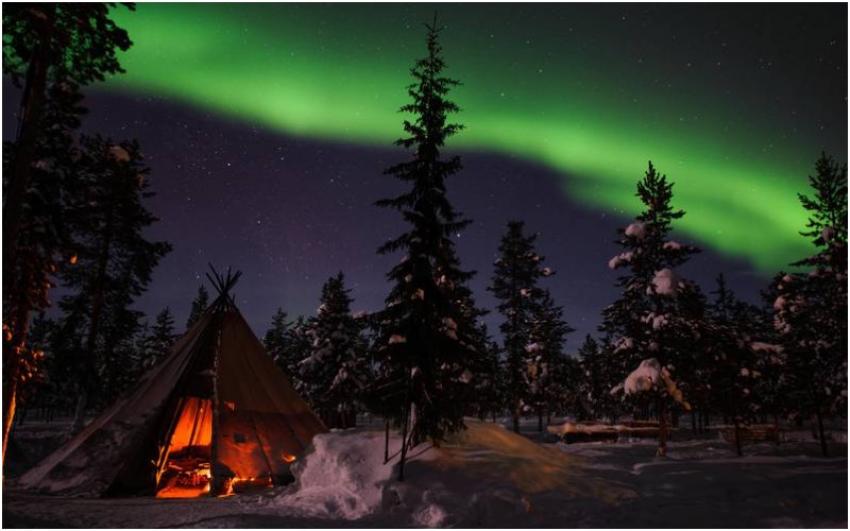 Northern Lights
Image credit: Lola Akinmade Åkerström/imagebank.sweden.se
Stockholm: To see the beauty of the Northern Lights, head to Swedish Lapland between early September and late March.
The Northern Lights, or Aurora Borealis, appear during the beginning of September in and around Kiruna in the far north of Sweden.
The sky comes alive as streaks of pinks, greens and purples dance high above. And by the time winter has fully set in around January, the Northern lights can be seen throughout Swedish Lapland – the large expanse of land in the northwest corner of Sweden that covers nearly a quarter of the country.
The last glimpses of these undulating rainbows can be caught as late as the end of March or even early April.
On clear evenings, the best time to see Northern Lights in Sweden is between 6:00 pm and 2:00 am.
However, the most spectacular display usually takes place around 10:00-11:00 pm.
What are the Northern Lights, and what causes them?
The Northern Lights are a natural phenomenon created when electrically charged particles from the sun collide in the Earth’s atmosphere.
The variation in colour depends on the kind of gas particles involved – low-lying oxygen causes the most common green colour, red is produced by oxygen higher in the atmosphere, and the blueish purple hue comes from nitrogen.
The result is a sight to behold as the vibrant colours snake across the night sky, dancing around as if moving to some unheard music.
Mystical explanations
The Latin name translates to ‘dawn of the north’, Aurora being the Roman goddess of the dawn. Steeped in myth and viewed in awe, these lights have captivated mankind for millennia.
The Sami – the indigenous people of Sweden – believed the lights were the souls of the dead.
You weren’t to dance, sing or whistle at them for fear they would feel disrespected and the lights would dip down and carry you off to the afterlife.
The Vikings, on the other hand, thought that the Northern Lights were the Valkyries taking fallen soldiers to meet Odin, their chief god.
(Image credit: Lola Akinmade Åkerström/imagebank.sweden.se)
- Kinnaur Kailash Yatra 2026 scheduled for July 30, pilgrim registration to open soon with key guidelines
- Living in Dubai? Invite Your Loved Ones and Enjoy Benefits Worth Over AED 3,000
- For the first time, South City Mall steps from spectator to participant in Kolkata's Durga Puja tradition
- Tatkal Ticket Booking Gets an Upgrade with IRCTC's New Website: What Indian Travellers Need to Know
- 30 Days, No Visa: Thailand Continues Visa-Free Entry for Indians With New Limit
- Jordan Keeps Airspace Open Amid Regional Tensions, Budget Airlines to Resume Flights in October
- Travel Smarter: The CityPASS Hack That Saves Money and Time Across the US and Toronto
- Indian traveller visits Sri Lanka for 7 days—What she discovered surprised her
- You Don't Need Internet Abroad to Use Google Maps. Here's How
- Abu Dhabi to Fujairah in Less Time as UAE Rolls Out First Passenger Train



Air India Express has announced the waiver of cargo charges for the transportation of relief material to Assam in support of the ongoing humanitarian response to the floods that have affected several parts of the state.
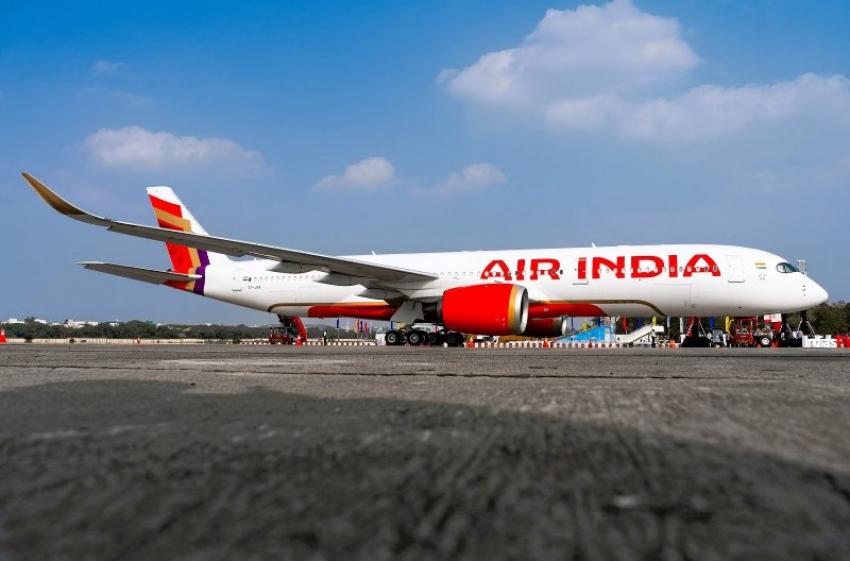
Tata Group-owned Air India and the Ministry of Tourism (MoT), Government of India, have signed a Memorandum of Understanding (MoU) to jointly promote India as a premier global tourism destination and strengthening India’s position as a key aviation and transit hub.

Tata-owned Air India, India’s leading global airline, and Saudia, the national flag carrier of Saudi Arabia, have signed a Memorandum of Understanding (MoU) to expand strategic cooperation between the two airlines.