
NITN | @notintownlive | 29 Jan 2022, 08:36 am
 India-Canada
Image Cr: Unsplash
Ottawa: Canada has eased testing rules for flyers onboarding from India, a decision which the Southeast Asian nation welcomed.
Ottawa, in its travel advisory for India, removed the requirement to present a negative RT-PCR test result taken 18 hours before boarding from the Genestrings Laboratory located inside the Indira Gandhi International Airport, as per media reports.
The other rule which required air passengers from India taking a connecting flight from another nation to undergo a covid19 test there has also been eradicated, as per media reports.
India’s high commissioner to Ottawa Ajay Bisaria said, “This is a welcome step towards restoring normal mobility and also ending a regime that discriminated against travellers from India.”
- Phone, Wallet Stolen Abroad? Knowing These Steps Can Save Your Trip
- Travelling Abroad from India? Know How Much Foreign Currency You Can Carry
- Air India teams up with IHG, offers Maharaja Club Members reward points on hotel bookings
- Fujifilm’s new 609mm-equivalent lens brings serious long-range reach without the usual weight
- Google’s AI mode is becoming your travel agent—Here’s what it can now do
- Littering on trains to cost more? Railways doubles fine to Rs 1,000 — check other penalties
- Dubai Airport traffic crashes 31% in H1 amid US-Iran conflict
- Bali Backlash: Swiss Tourist Jailed After 'Crazy' Video Mocks Hindu Nyepi Holiday
- London’s Thames to witness Ganga Aarti: Here’s what’s happening on September 13
- Going to Sri Lanka? This new UPI perk could make your rides cheaper



IndiGo has announced a new daily nonstop service between Mumbai and Hanoi, beginning October 25, 2026. The new route will expand the airline’s international network and improve connectivity with Vietnam’s capital, giving passengers more options and flexibility for travel between India and Vietnam.
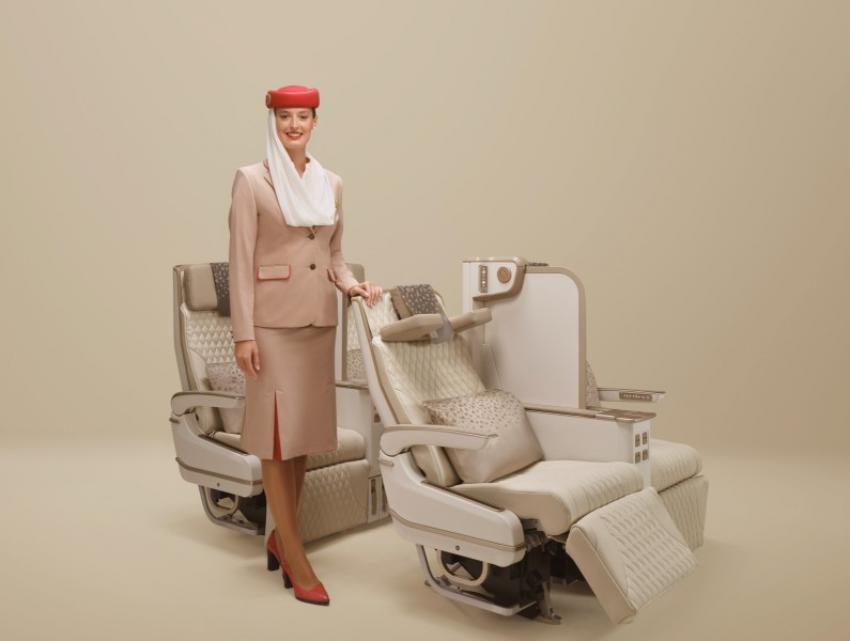
Aviation major Emirates is taking its award-winning Premium Economy experience a step further with the launch of what it describes as the world’s first electrically powered Premium Economy seat, featuring a full-height adjustable privacy screen between every seat.
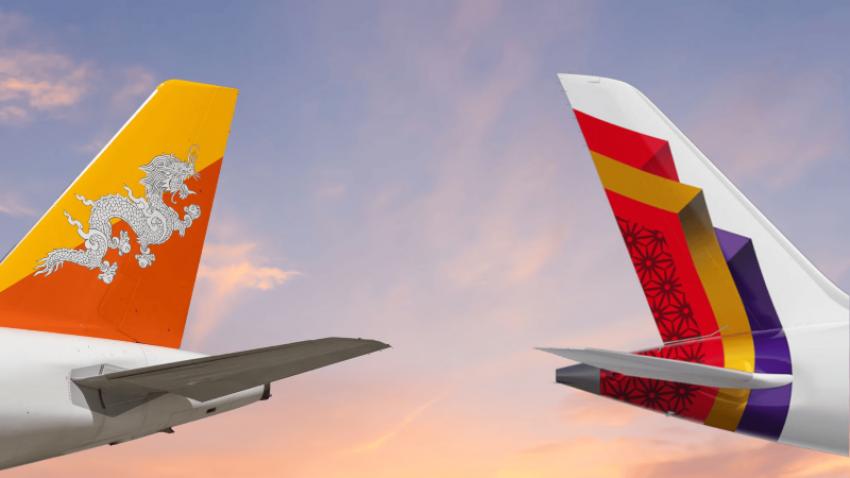
Air India and Drukair, Royal Bhutan Airlines, have entered into an interline partnership to enhance travel convenience and strengthen network connectivity between India, Bhutan, and destinations beyond.