
NITN | @notintownlive | 08 Nov 2023, 08:58 am
 Digital Nomad
Image credit: Unsplash
According to a World Tourism Organisation (UNWTO) report, the number of destinations offering Digital Nomad Visa (DNV) has risen significantly over recent years, with almost half now offering visas for at least one year.
According to a new analysis by the Madrid-based world travel body, 54 destinations – mostly in the Americas and Europe – were offering digital nomad visas.
Estonia was the first country that officially introduced a specialised digital nomad visa programme in July 2020, the report mentioned.
The research, conducted in February this year, found that Canada offered the shortest stay for digital nomads while Thailand issued the longest DNVs.
It also said that the rise in Digital Nomad Visas has gone hand-in-hand with an increase in digital nomads, with destinations in all regions working to meet the market trend.
For example, according to the study, the number of digital nomads in the United States increased by 131% in 2022 as compared to 2019, reaching a total of 17 million people.
The UNWTO examined seven criteria for the DNV programmes, which included application process, duration of visa, taxation, insurance, accommodation, minimum income requirements and criminal records check.
Key findings included:
47% of destinations offer visas for up to one year.
39% of destinations exempt digital nomads from tax payments.
17% of destinations do not have minimum income requirements.
76% of destinations have online applications for DNV programmes.
80% of destinations process applications within a one-month period.
Only 6% of destinations have no visa fees for application.
A DNV allows individuals to live and work in a foreign country while maintaining employment or conducting freelance work for employers or clients in their home or another country.
With this visa, digital nomads can continue their professional pursuits while embracing the opportunity to immerse themselves in the host destination’s unique lifestyle in line with many of the trends of the future of work.
Furthermore, destinations use DNV to attract professionals from creative and technology areas to stimulate these areas nationally, the report said.
The UNWTO report also highlighted that the key considerations for destinations when offering or expanding their DNV programmes are:
Digitalization of destination: Due to the importance of well-connectivity and productivity, the host destinations tend to invest in robust digital infrastructure. High-speed internet, co-working spaces, and comfortable accommodations are available to facilitate optimal remote work conditions.
Balancing Work and Lifestyle: By offering a flexible visa framework, host destinations empower digital nomads to create the work environments while immersing themselves in local culture and lifestyle.
Future Impact Assessment: The brief underscores the importance of establishing impact assessment for DNV programmes as a new mechanism.
- Europe ends Schengen passport stamps, switches to digital border records
- Kayaking, canoeing and water taxis bring new experiences to Kerala’s historic Muziris region
- Emirates expands in Japan with new Travel Store in Tokyo and additional Narita flights
- IndiGo passengers get a surprise at 30,000 feet: Here's what they were asked to do
- Riyadh Airport shut until October 17 after deadly Houthi attacks
- Navi Mumbai Airport’s aviation push: TajSATS facility ready to handle rising passenger demand
- Malaysia stays visa-free for Indians through 2026, but entry rules still apply
- Singapore introduces tougher penalties for disruptive behaviour on public transport
- Etihad Rail launches passenger service between Dubai and Abu Dhabi
- New Zealand moves most visitor visa applications to enhanced online system


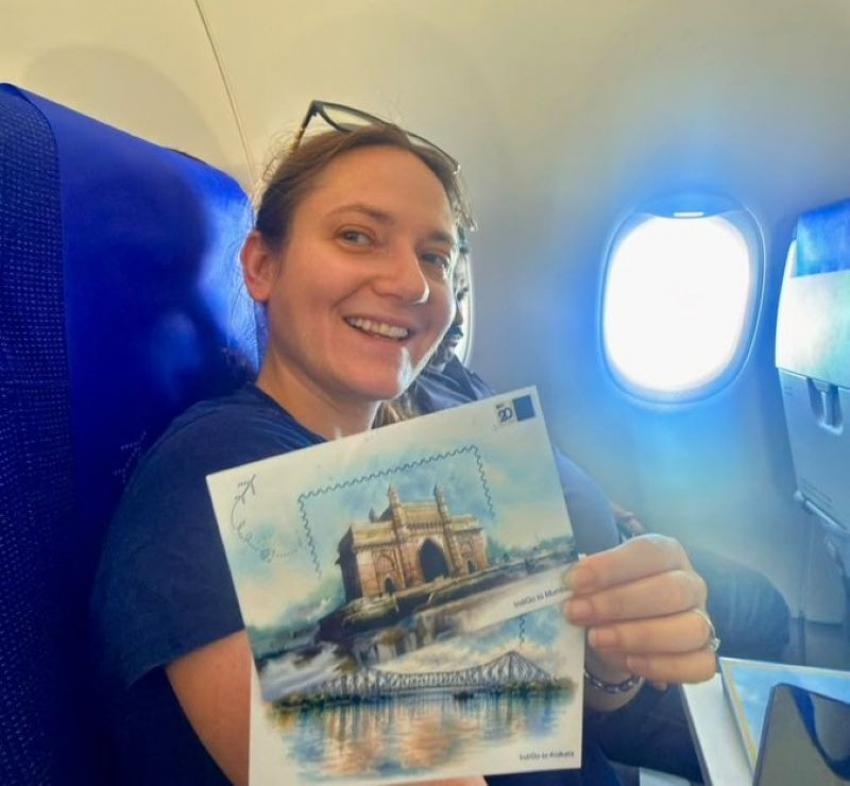
In an effort to revive the joy of handwritten communication in an increasingly digital world, the Department of Posts under the Ministry of Communications, in collaboration with IndiGo, organised a unique Digital Detox Campaign on October 12, observed as Philately Day during the ongoing National Postal Week celebrations from October 9 to 15.

Singapore Airlines (SIA) is upgrading its in-flight entertainment system, KrisWorld, with new display technology, audio features, personalisation tools and high-speed internet connectivity. The changes are intended to give passengers more control over their entertainment and how they use their time on board.

Air India will launch non-stop flights between Delhi and Osaka’s Kansai International Airport on 2 February 2027, becoming the only airline to operate on the route. The airline will run four flights a week between the Indian capital and Osaka, Japan’s second-largest metropolitan area, using Boeing 787-8 aircraft.