
NITN | @notintownlive | 01 May 2026, 11:09 am
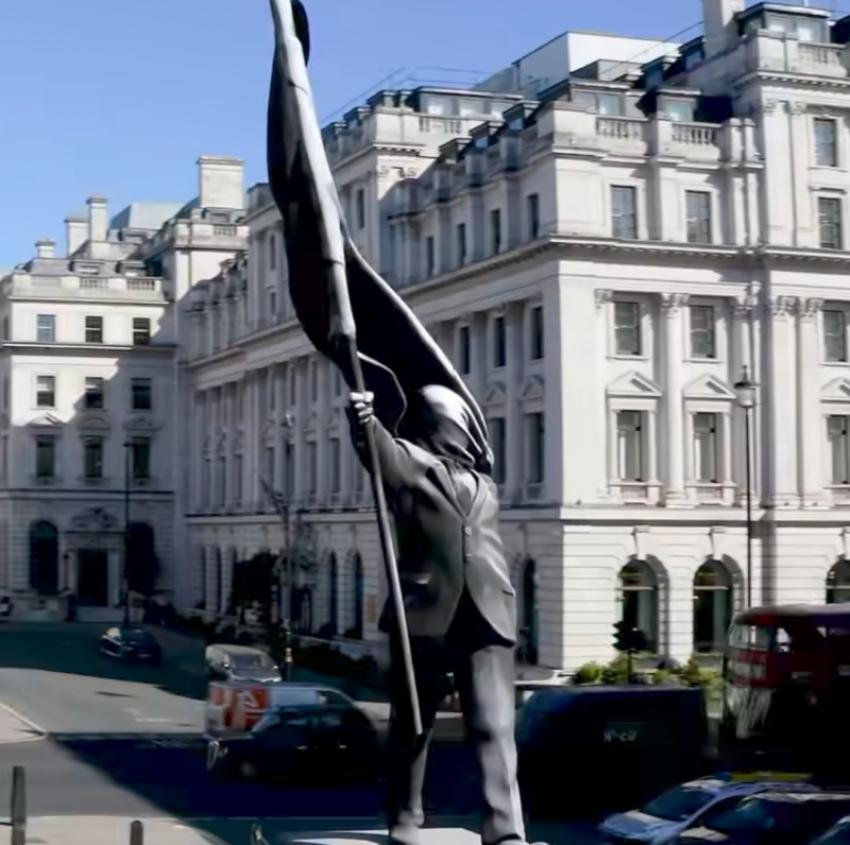 Banksy sculpture
The new Banksy sculpture at Waterloo Place in Central London. Photo: video-grab from banksy/Instagram
A new work by the elusive street artist Banksy has appeared overnight in central London, drawing immediate crowds and fresh debate around public art, politics, and the city’s ever-evolving streetscape.
Installed at Waterloo Place, just off Pall Mall, the sculpture has quickly become a central focus for onlookers—many gathering even past midnight to catch a glimpse. Barriers have now been placed around the work to protect it, as crowds continue to swell.
The piece depicts a suited male figure mid-stride, stepping forward with a flag pulled over his head, obscuring his vision. Mounted on a plinth and bearing the artist’s signature at its base, the sculpture carries the visual language often associated with Banksy—simple, striking, and open to interpretation, with a clear political undertone.
The artist himself confirmed the work shortly after its appearance through his official social media channels. As with most Banksy interventions, the installation arrived without warning, transforming an otherwise familiar corner of the city into a site of global attention within hours.
The choice of location is significant. Waterloo Place sits at the intersection of some of London’s most historically and culturally loaded landmarks, connecting Pall Mall to Regent Street and leading toward Buckingham Palace.
The area is lined with statues of military and imperial figures, making the sudden arrival of a contemporary, anonymous artwork feel both disruptive and deliberate. By placing the sculpture here, Banksy appears to be engaging directly with Britain’s historical narratives—particularly ideas of power, identity, and nationalism.
Interpretations of the piece have emerged quickly. The image of a man blinded by a flag has been widely read as a commentary on nationalism and unquestioned allegiance. The forward motion of the figure—confident yet visually impaired—adds a layer of tension, suggesting progress without clarity or direction.
Authorities have so far allowed the sculpture to remain, with protective measures in place—an increasingly common response to Banksy’s works, which often straddle the line between vandalism and valuable cultural asset.
For travellers, this is a rare chance to witness a genuine Banksy work in real time. Unlike museum-held pieces, street installations carry a sense of urgency—they are as temporary as they are impactful. Visitors in London right now will find Waterloo Place transformed into an open-air gallery, buzzing with curiosity, cameras, and conversation.
Whether the piece remains for weeks or disappears just as suddenly as it arrived, its impact is already clear—another fleeting intervention that turns an ordinary London street into a moment of global attention.
- Thailand Ends Visa-Free Entry for Indians: What Travellers Need to Know
- From Lotus to Bamboo Orchid: Two Indian Airports Make Prix Versailles' World's Most Beautiful List
- Flights begin at Noida International Airport — Taj Mahal day trips now easier than ever
- Flying Abroad From India? Here's How the New DigiYatra Transit System Works
- Amsterdam plans huge tourist tax hike — Visitors could soon pay up to 20 percent
- Germany waives airport Transit Visa requirement for Indian nationals from June 3
- Anand Mahindra amazed by Vande Bharat's journey across Chenab Rail Bridge
- Passengers urged to document luggage amid Canadian airport drug-tag scheme
- South Africa Goes Visa-Free for Indians, But There’s a Catch
- From War Risks to Medical Bills: Why Indian Travellers Need Better Travel Insurance


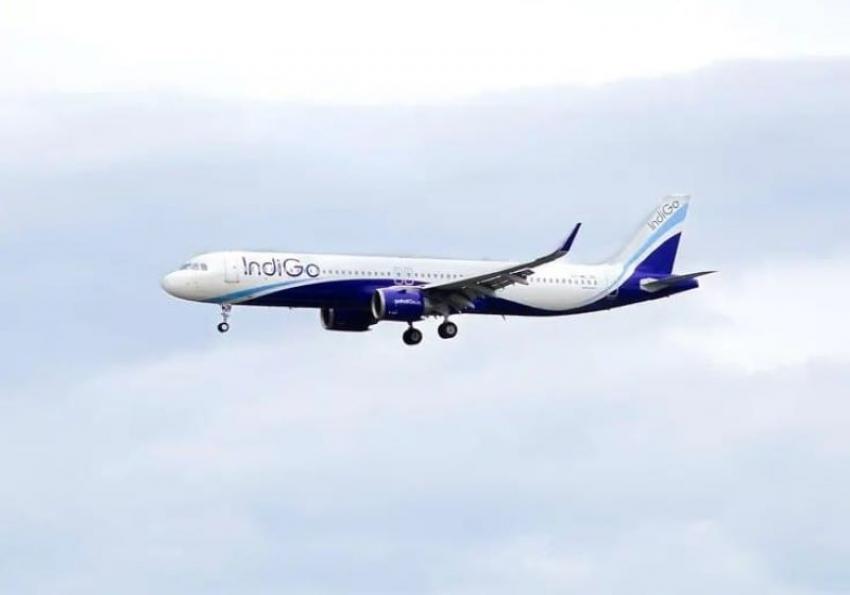
IndiGo has introduced 'Cabs with IndiGo', a new airport transfer service that allows travellers to book rides to and from airports across Indian cities through the airline's platforms.
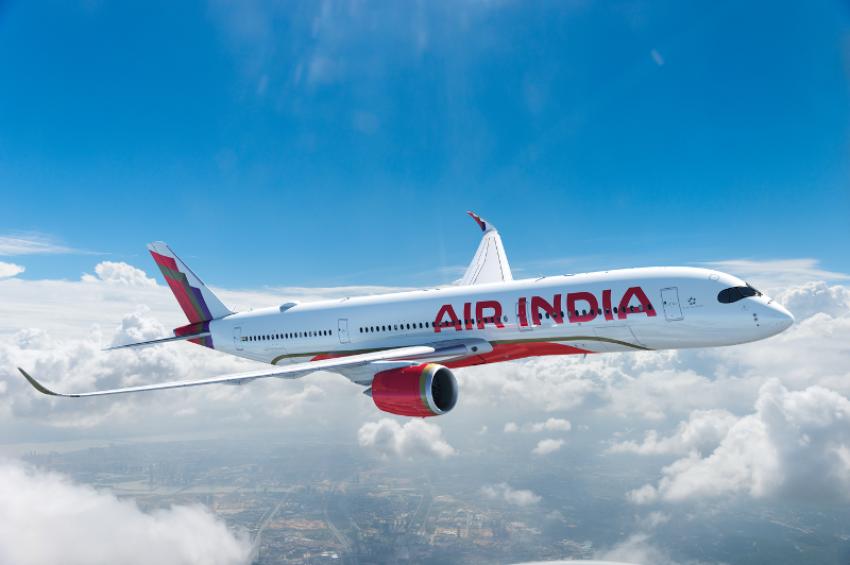
Tata Group-owned carrier Air India has announced the introduction of its new ‘Basic’ fare family, further strengthening its commitment to empowering customers with greater choice and control over how they travel and what they pay for.
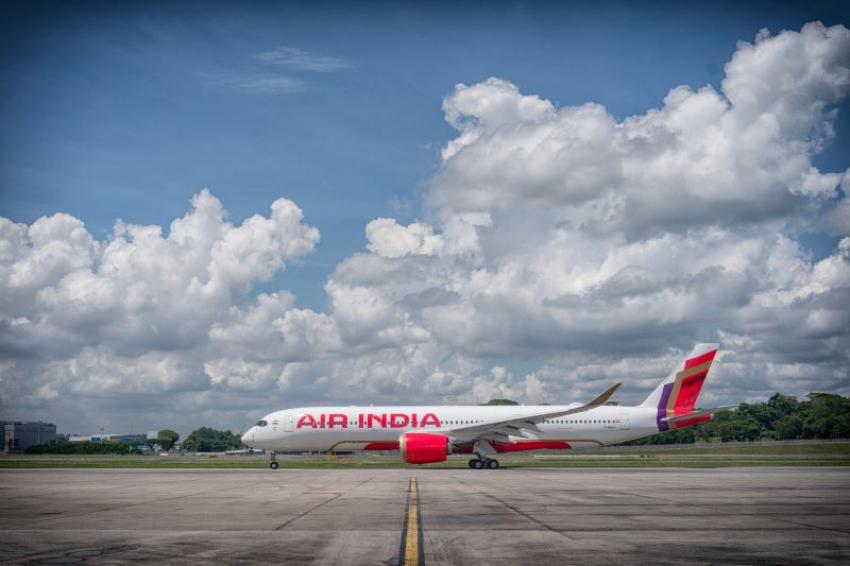
Air India has opened bookings for its first 'Easy Connect' flights under the Government of India's new hub-and-spoke model, allowing international travellers from smaller Indian cities to complete baggage drop and immigration formalities at their departure airport before connecting to overseas destinations through major hubs.