
NITN | @notintownlive | 06 Dec 2025, 10:54 am
 Machu Picchu
Access to Machu Picchu, the historic Peruvian site, requires a specific journey. Photo by Willian Justen de Vasconcellos / Unsplash
A renowned 15th Century Inca city ruin and UNESCO world heritage site, has recently been the focus of a transport-related turmoil.
Continuing disagreement over the shuttle buses that transport tourists up to the mountain-top attraction led to the stranding of approximately 1,400 visitors, requiring an emergency evacuation by the authorities, BBC reported.
The Route and The Core Conflict
Access to Machu Picchu, the historic Peruvian site, requires a specific journey. Visitors must first board a train, which takes between two and three and a half hours, to the local town of Aguas Calientes. From there, the final leg is a 20-minute bus ride; the only other choice is a strenuous two-hour walk.
The recent conflict stems from a dispute over which bus company holds the transport licence.
Consettur, headed by Cristian Alberto Caballero Chacón, has operated the route for the past 30 years, carrying about 4,500 people daily. The firm's licence expired in September and was intended to be transferred to a rival, San Antonio de Torontoy. However, due to ongoing legal challenges, Consettur continues to run buses while San Antonio de Torontoy has yet to begin service.
Tourist Disruption and Protests
The situation escalated because the area is remote and without hiking the Andes mountains, the only access is via the public train and bus system.
In September, local demonstrators, angered by what they perceived as an insufficiently open bidding process for the new contract, blocked the railway line leading to Aguas Calientes. They used rocks to obstruct the tracks, halting rail travel. This resulted in authorities having to clear the railway line and perform large-scale evacuation of stranded tourists on special train services, according to BBC.
Unnamed local sources suggested that the protestors were unhappy because the long-held monopoly enjoyed by Consettur was simply being transferred to the new company, San Antonio de Torontoy, rather than being opened up to broader local participation.
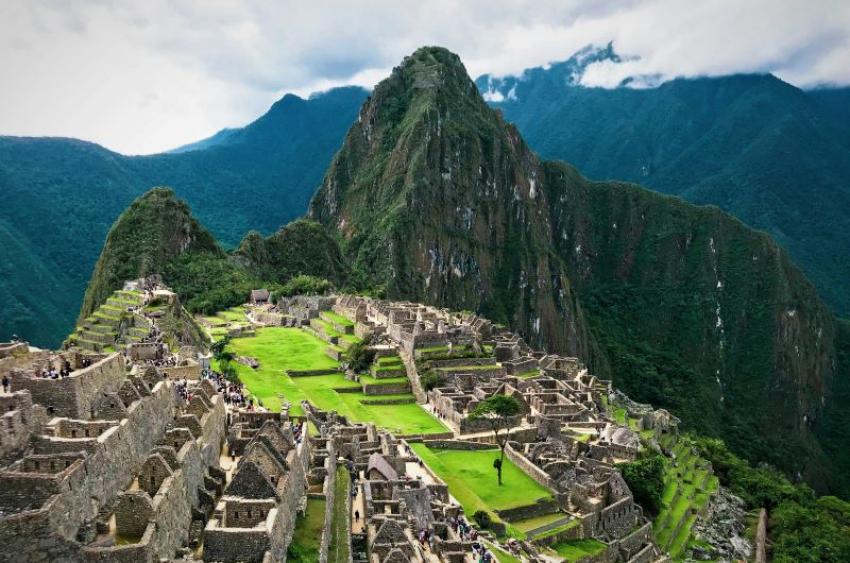 Machu Picchu is the 15th Century Inca city ruin and UNESCO world heritage site. Photo by Eddie Kiszka on Unsplash
Financial Stakes and Ownership
The bus service represents a significant source of income, with a round-trip ticket costing $24 for foreign visitors and $15 for Peruvian citizens.
Consettur denies that it operates as a monopoly, pointing out that the local district council owns 38% of the company.
"The owners of the business have been running the company for the past 30 years, and they are people who come from around here," Caballero Chacón told BBC. "This is not a monopoly. Consettur is made up of 12 different companies with various partners."
Meanwhile, the rival firm, San Antonio de Torontoy, is located further away in the Urubamba Province.
Regional and National Concerns
As the protests and disruptions continue to spike, tourists are complaining about the rising train fares. An Australian tourist, Annalise Jaksic told BBC that the cheapest round-trip ticket to Aguas Calientes is priced at $140 and it is going up to as high as $2,000 for a luxury first class.
The dispute highlights wider concerns about how tourism benefits the area. Elvis La Torre, the Mayor of Aguas Calientes, stated his frustration that most of the ticket revenues do not remain locally.
"Only 10% of the ticket sales stay in the region. The rest of the money goes to the Ministry of Culture to look after other archaeological sites around Peru and pay for wages," La Torre said.
He is advocating for a greater share of the funds to stay in his community and the surrounding region, hoping to improve tourism facilities and fund local projects.
Carlos González, President of the Chamber of Tourism for the Cusco Department, called for increased state oversight of public transport across the country.
He also suggested changes to the visitor experience at the site, proposing more entrances and separate gathering areas for different visitor groups. However, Mr. González noted that making such changes is difficult due to the nation's political volatility, pointing out that Peru has had six different presidents in the past six years.
Despite the conflict, Consettur's head, Mr. Caballero, indicated a willingness for a practical solution, stating he would be open to the idea of both Consettur and San Antonio de Torontoy running bus services to Machu Picchu.
- Planning a Dubai trip? Indians can now pay for Burj Khalifa tickets with UPI
- Kinnaur Kailash Yatra 2026 scheduled for July 30, pilgrim registration to open soon with key guidelines
- Living in Dubai? Invite Your Loved Ones and Enjoy Benefits Worth Over AED 3,000
- For the first time, South City Mall steps from spectator to participant in Kolkata's Durga Puja tradition
- Tatkal Ticket Booking Gets an Upgrade with IRCTC's New Website: What Indian Travellers Need to Know
- 30 Days, No Visa: Thailand Continues Visa-Free Entry for Indians With New Limit
- Jordan Keeps Airspace Open Amid Regional Tensions, Budget Airlines to Resume Flights in October
- Travel Smarter: The CityPASS Hack That Saves Money and Time Across the US and Toronto
- Indian traveller visits Sri Lanka for 7 days—What she discovered surprised her
- You Don't Need Internet Abroad to Use Google Maps. Here's How

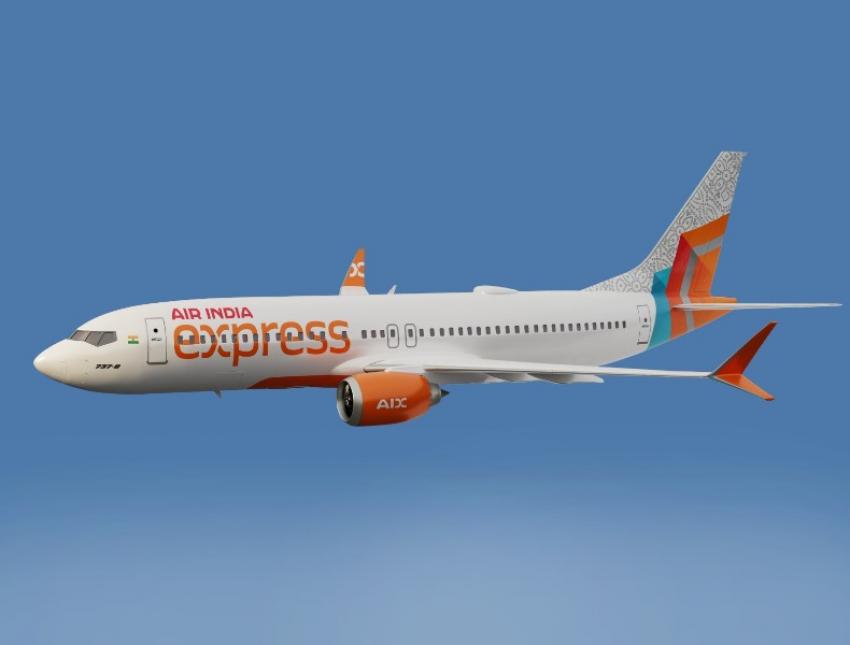
Air India Express has announced the waiver of cargo charges for the transportation of relief material to Assam in support of the ongoing humanitarian response to the floods that have affected several parts of the state.
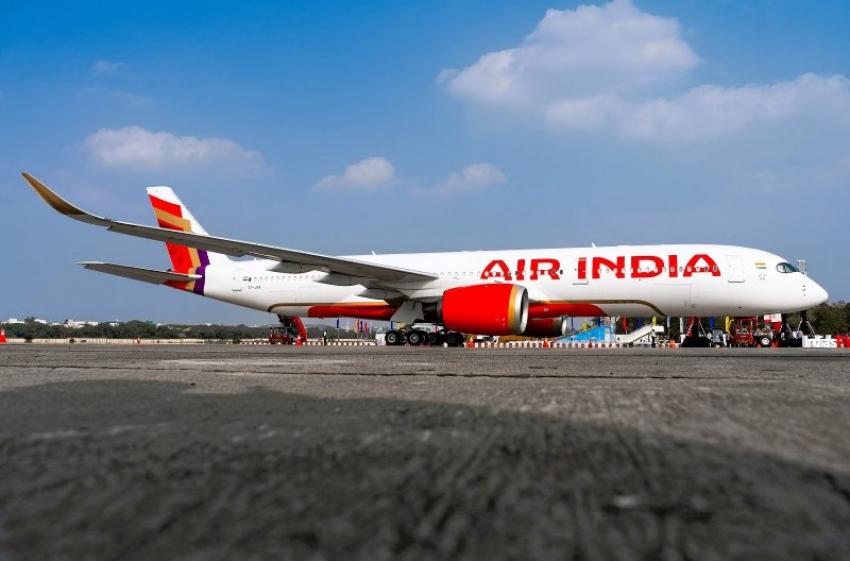
Tata Group-owned Air India and the Ministry of Tourism (MoT), Government of India, have signed a Memorandum of Understanding (MoU) to jointly promote India as a premier global tourism destination and strengthening India’s position as a key aviation and transit hub.
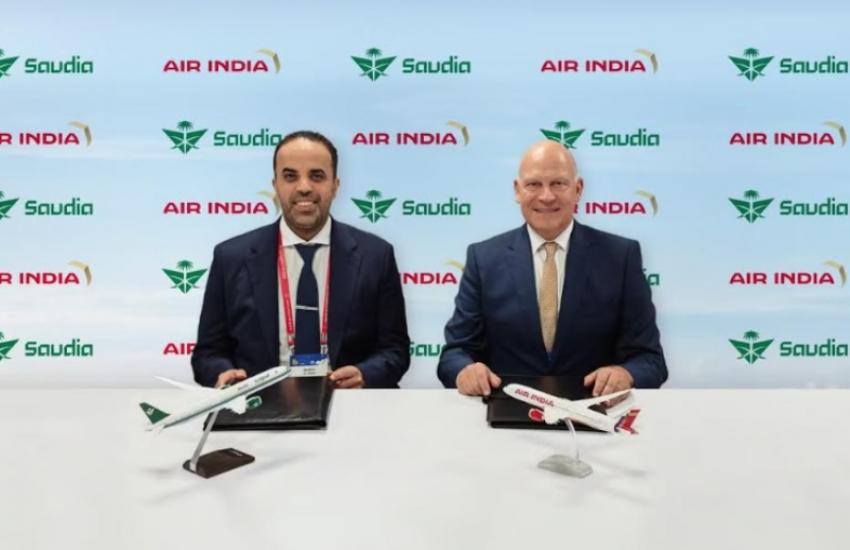
Tata-owned Air India, India’s leading global airline, and Saudia, the national flag carrier of Saudi Arabia, have signed a Memorandum of Understanding (MoU) to expand strategic cooperation between the two airlines.