
10 Mar 2016, 06:21 am

“Safety and security are priorities for all and we need to ensure tourism is fully integrated into national and international security agendas,” Taleb Rifai, UNWTO Secretary-General, told the opening ceremony of the major tourism trade fair known as ITB Berlin [Internationale Tourismus-Borse Berlin].
In his address on Tuesday, Rifai cautioned that security challenges should not prompt the building of new walls and stressed the need “to cooperate, not isolate.”
“Enhancing security and enabling more seamless travel should always go hand-in-hand,” he noted.
One of the ways to make travel safer and easier is through technology, Rifai said, which is rapidly changing consumers’ behaviour and business models.
He highlighted the need to better understand the impact of technology on the tourism sector, and to maximize new opportunities that improve the competitiveness of destinations and help manage natural resources more effectively.
The tourism industry can embrace sustainability and still reach its economic goals, was another key message for 2016, as the UN agency expects the industry to grow an estimated 4 per cent this year.
Rifai called on industry representatives to adhere to the 2030 Agenda, which contains the Sustainable Development Goals (SDGs) as a “matter of realizing benefits for all.”
The topic will be particularly relevant next year, given that the UN has declared 2017 as the International Year of Sustainable Tourism for Development.
“Climate change mitigation, effective resource management, poverty reduction and inclusive growth need to be at the centre of tourism development,” said Rifai.
Addressing these priorities can only be achieved with tourism established as a national priority with the necessary financial and political support to advance the sector. At the same time, tourism can support the economic, social and environmental foundations of many countries, he noted.
“As we embrace a new sustainable development agenda let us ensure that while we build a more competitive sector we are also contributing to a better world,” Mr. Rifai urged the audience.
Photo: UNWTO
- Living in Dubai? Invite Your Loved Ones and Enjoy Benefits Worth Over AED 3,000
- For the first time, South City Mall steps from spectator to participant in Kolkata's Durga Puja tradition
- Tatkal Ticket Booking Gets an Upgrade with IRCTC's New Website: What Indian Travellers Need to Know
- 30 Days, No Visa: Thailand Continues Visa-Free Entry for Indians With New Limit
- Jordan Keeps Airspace Open Amid Regional Tensions, Budget Airlines to Resume Flights in October
- Travel Smarter: The CityPASS Hack That Saves Money and Time Across the US and Toronto
- Indian traveller visits Sri Lanka for 7 days—What she discovered surprised her
- You Don't Need Internet Abroad to Use Google Maps. Here's How
- Abu Dhabi to Fujairah in Less Time as UAE Rolls Out First Passenger Train
- Going to Greece Soon? Don't Miss This Big Payment Update


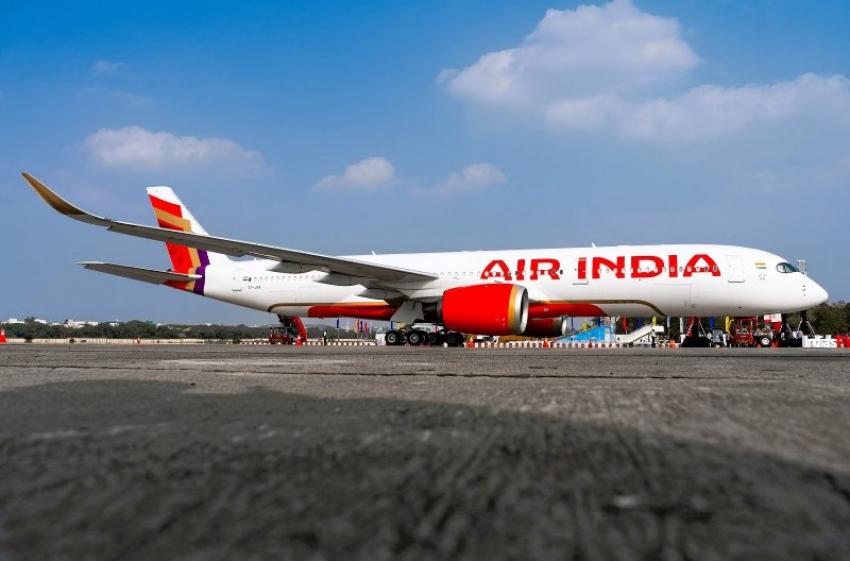
Tata Group-owned Air India and the Ministry of Tourism (MoT), Government of India, have signed a Memorandum of Understanding (MoU) to jointly promote India as a premier global tourism destination and strengthening India’s position as a key aviation and transit hub.
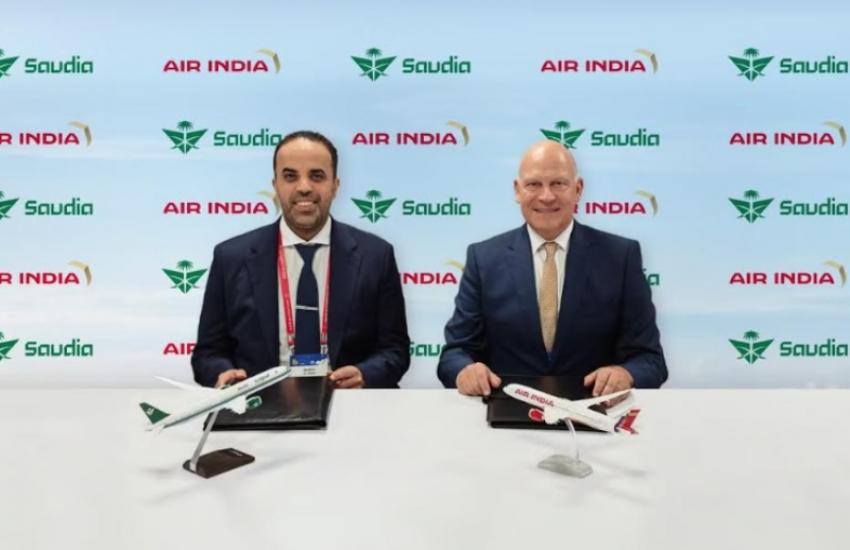
Tata-owned Air India, India’s leading global airline, and Saudia, the national flag carrier of Saudi Arabia, have signed a Memorandum of Understanding (MoU) to expand strategic cooperation between the two airlines.
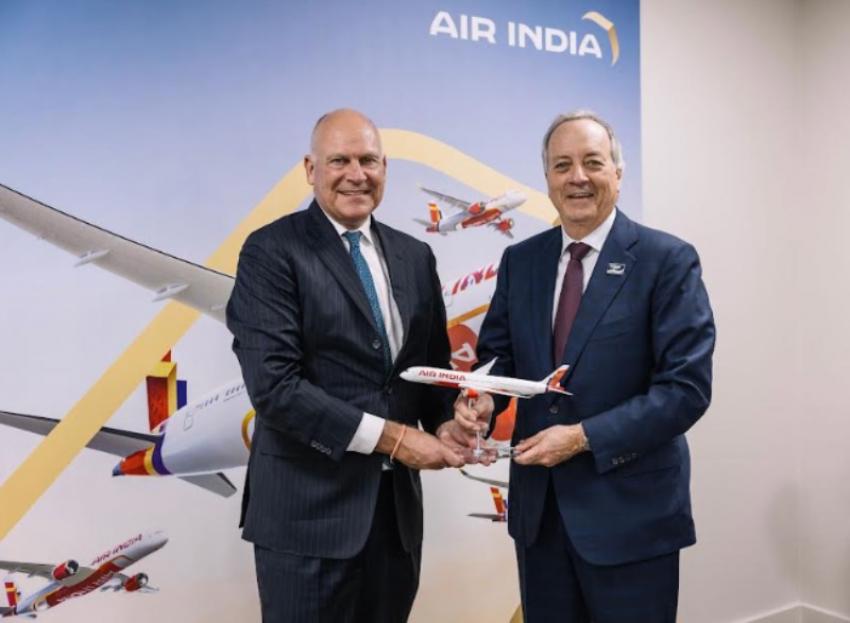
JFK Millennium Partners (JMP), the company selected by the Port Authority of New York & New Jersey to build and operate John F. Kennedy International Airport’s new world-class Terminal 6 (JFK T6), and Air India on Tueday announced that the airline has chosen T6 for its operations beginning in 2028.