
30 Nov 2015, 03:21 pm
The event was held on Dec 3 from 2 pm to 3 pm.
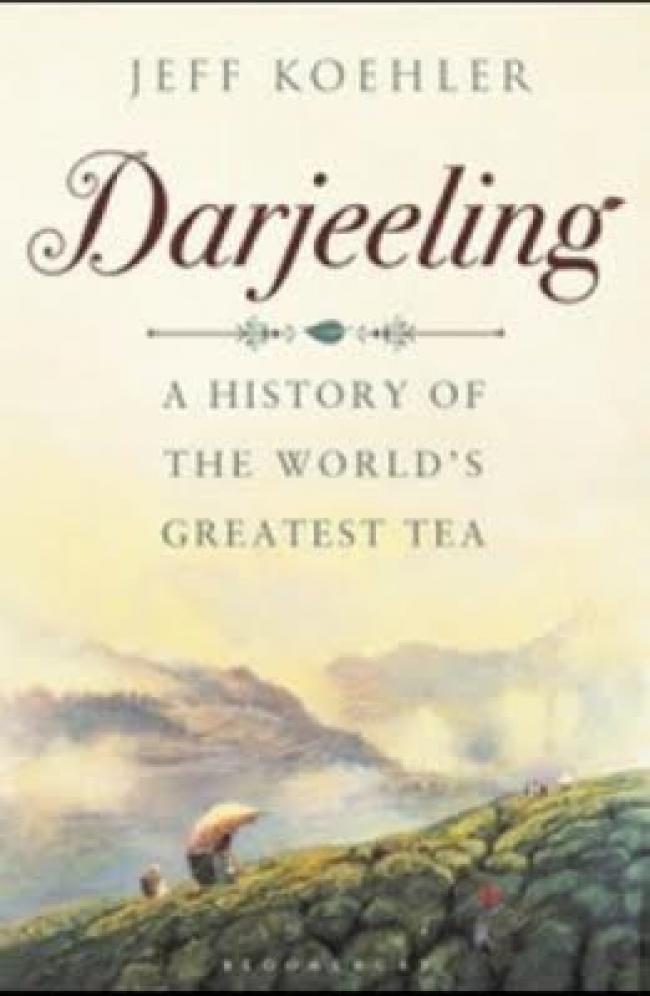
Darjeeling's tea bushes stretch across a picturesque landscape steeped in religious, sacred and mythical history. Planted at high elevation in the heart of the Eastern Himalayas, in an area of northern India bound by Nepal to the west, Bhutan to the east and Sikkim to the north, the rows of brilliant green, waist-high shrubs that coat the steep slopes and valleys around this Victorian 'hill town' produce only a fraction of the world's tea, and less than one per cent of India's total.
Yet the tea from this limited crop, with its characteristic bright, amber-coloured brew and muscatel flavours - delicate and flowery, with hints of apricots and peaches - is generally considered the best on the globe.
This is the story of how Darjeeling developed its prodigious tea industry under Imperial British rule and eventually came to produce some of the highest-quality leaves in the world. It is a fascinating portrait of the region from the days of the Raj to that of the 'voodoo farmers' of the present day, who get world-record prices for their fine teas, all set against the backdrop of the looming Himalayas and drenching monsoons.
It is a story rich in intrigue and empire, full of adventurers and unlikely successes in culture and religion, ecology and terroir, and one that began with one of the most audacious acts of corporate smuggling in history. It is also the tale of how the industry had spiralled into decline by the end of the twentieth century, and how this paradisiacal spot in the high Himalayas seethes with union unrest and a violent struggle for independent statehood.
It is on the front line against the devastating effects of climate change and decades of harmful farming practices, a war that is being fought in some tea gardens - and, astonishingly, won - using radical methods.
- Ganesh Chaturthi in the Skies: What Air India Has in Store for Flyers in its Lounges
- US Envoy Sergio Gor gets a taste of Darjeeling, enjoys Toy Train ride, tea, and local culture
- 1000 Islands: Back to the Waters That Never Left Me
- Priority Pass finally passed the test at JFK: One card, one lounge, a small victory in New York
- Do Not Miss This Museum When You Are in Purulia Next
- Texas Barbecue Takes to the Skies as American Airlines Expands Pecan Lodge Partnership
- Want a Taste of Spain? Taj Taal Kutir Brings 'Spanish Merienda' to Kolkata
- Explore This Hidden Gem in Arunachal - India's 101st Ramsar Site
- Bengali actor Koneenica Banerjee celebrates Bengal's Hilsa love at Kolkata's grand Ilish festival
- Bhutanese Bites to Steaming Momos: Taj Taal Kutir’s Food Festival Takes Kolkata on A Himalayan Trip


IndiGo has announced a new daily nonstop service between Mumbai and Hanoi, beginning October 25, 2026. The new route will expand the airline’s international network and improve connectivity with Vietnam’s capital, giving passengers more options and flexibility for travel between India and Vietnam.

Aviation major Emirates is taking its award-winning Premium Economy experience a step further with the launch of what it describes as the world’s first electrically powered Premium Economy seat, featuring a full-height adjustable privacy screen between every seat.
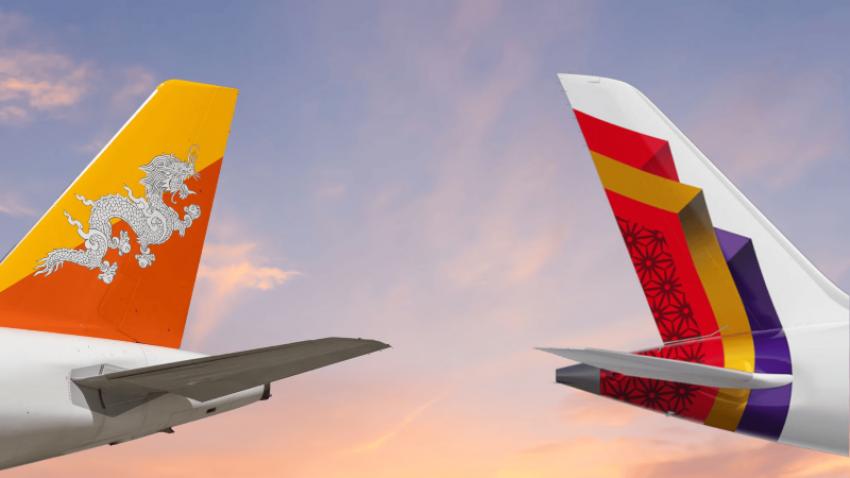
Air India and Drukair, Royal Bhutan Airlines, have entered into an interline partnership to enhance travel convenience and strengthen network connectivity between India, Bhutan, and destinations beyond.