
23 May 2016, 11:00 am
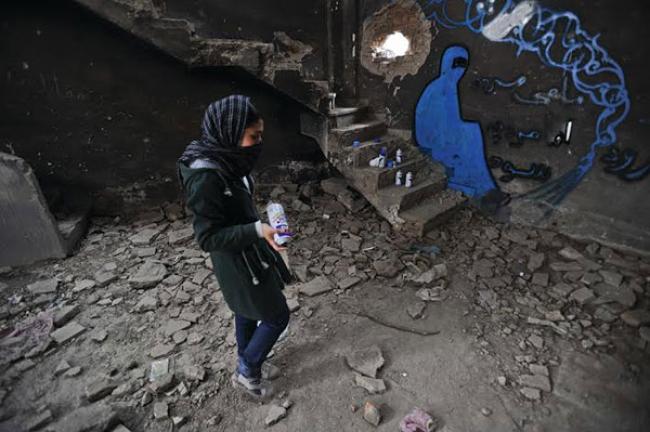
Professor Bashir Makhoul, practising artist and Deputy Vice-Chancellor at Birmingham City University (UK), believes the movement of refugees from countries such as Afghanistan and Syria to Europe could provide a spark of creativity, pushing boundaries and leading people to explore art and culture in new ways.
Professor Makhoul is the co-editor of a new book, ‘Conflict and Compassion’, which highlights how economic arguments overlook the cultural benefits of closer links between Western Europe and conflicted countries – which the book describes as a “Third Space”.
.jpg) Professor Makhoul said the conflict he experienced growing up in Palestine had a profound impact on his own creativity and that the migration of refugees provided a unique opportunity to change the face of European art and culture forever.
Professor Makhoul said the conflict he experienced growing up in Palestine had a profound impact on his own creativity and that the migration of refugees provided a unique opportunity to change the face of European art and culture forever.
“Migration, both under the tragic circumstances we are seeing right now and in less challenging situations, has the capacity to diversify a region for the better because artists’ responses to adversity are often those which leave the strongest message.
“The movement of people from countries like Afghanistan and Syria into Europe is often viewed in economic terms but there are often long lasting and far reaching benefits. Just look at the impact post-war Asian migration has had on the UK’s food scene – it’s been transformative.
“While we automatically – and understandably – think of the destruction that comes as a result of conflict, it can also be the source of a need to express, create and innovate.
.jpg) “The art and culture which is born out of difficult and challenging situations such as forced migration – actually, expulsion – not only begins to push boundaries but also serve as historical documents which encapsulate and portray an era forever.”
“The art and culture which is born out of difficult and challenging situations such as forced migration – actually, expulsion – not only begins to push boundaries but also serve as historical documents which encapsulate and portray an era forever.”
‘Conflict and Compassion’ launches today (May 23) at HOME, Manchester’s centre for international contemporary art, theatre and film. The book features a series of contemporary artworks from across Asia and analysis of the influence of conflict on artists’ work.
It looks at the impact migration has had on art and culture historically as well as the influence it may have in the coming years, in light of the current global situation.
- Sona College of Technology's 25th graduation day: 1,325 students receive BE, BTech, ME, MCA, MBA and PhD degrees
- ‘We are the worst storytellers’: Suhel Seth on India’s failure to market itself at 'Kitaab' book launch
- Sona College of Technology welcomes 2,400 freshers to UG, PG programmes
- ‘Children shouldn’t carry the burden’: Social activist Sundeep Bhutoria urges Centre to enforce 10% school bag rule
- When the Body Becomes a Temple: The Ramnami Samaj's Century-Old Rebellion Now Inspires Kolkata's Durga Puja
- From Ramnami tattoos to a global app: Chaltabagan's 'Nishan' takes Durga Puja beyond Kolkata
- 66th Graduation Day: Thiagarajar Polytechnic records 100% placement for graduating batch of 692 across 11 disciplines
- 66th Graduation Day: Thiagarajar Polytechnic records 100% placement for graduating batch of 692 across 11 disciplines
- Three outstanding PhD scholars to receive Rs 1 lakh a year for three years from Valliappa Foundation
- Chaltabagan Durga Puja 2026: Khuti Puja marks new beginning amid Bengal’s political change
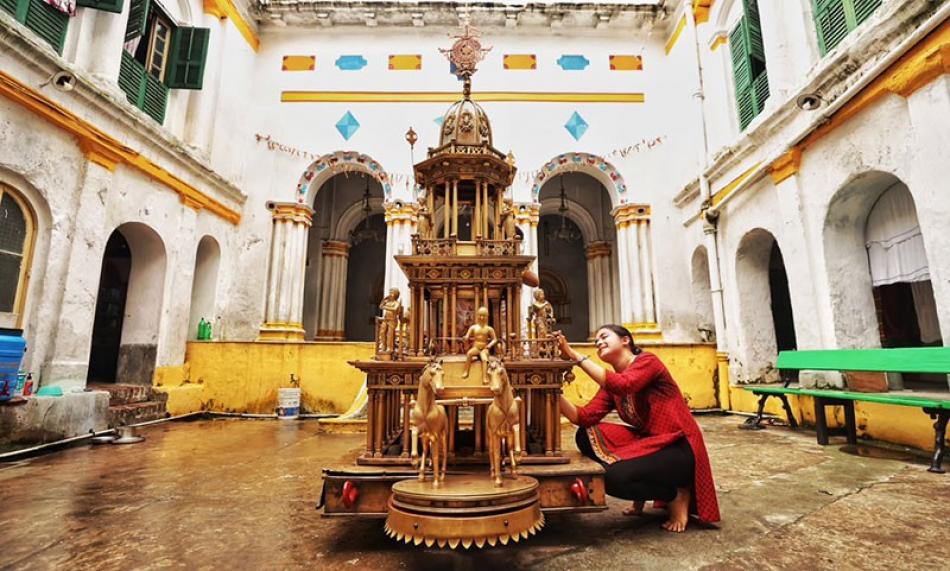


IndiGo has announced a new daily nonstop service between Mumbai and Hanoi, beginning October 25, 2026. The new route will expand the airline’s international network and improve connectivity with Vietnam’s capital, giving passengers more options and flexibility for travel between India and Vietnam.
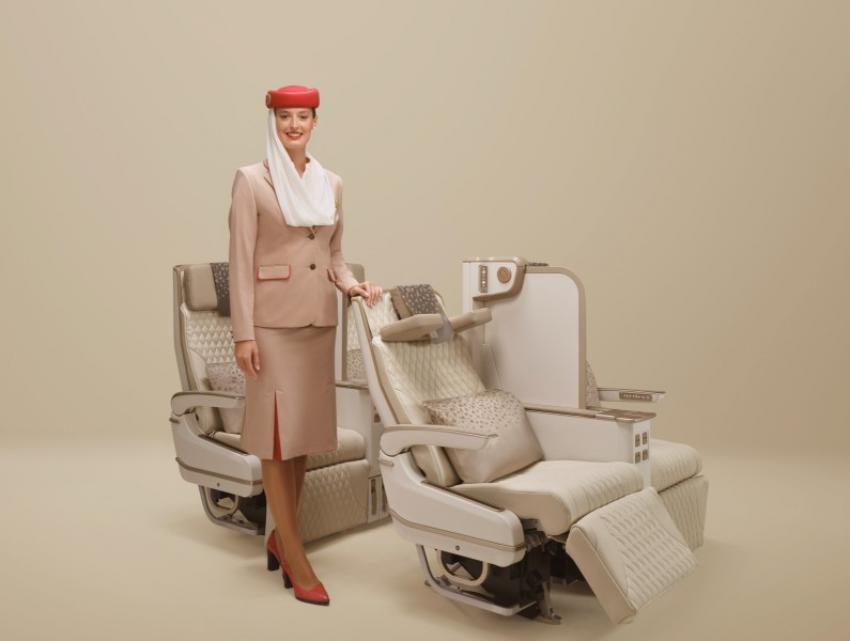
Aviation major Emirates is taking its award-winning Premium Economy experience a step further with the launch of what it describes as the world’s first electrically powered Premium Economy seat, featuring a full-height adjustable privacy screen between every seat.
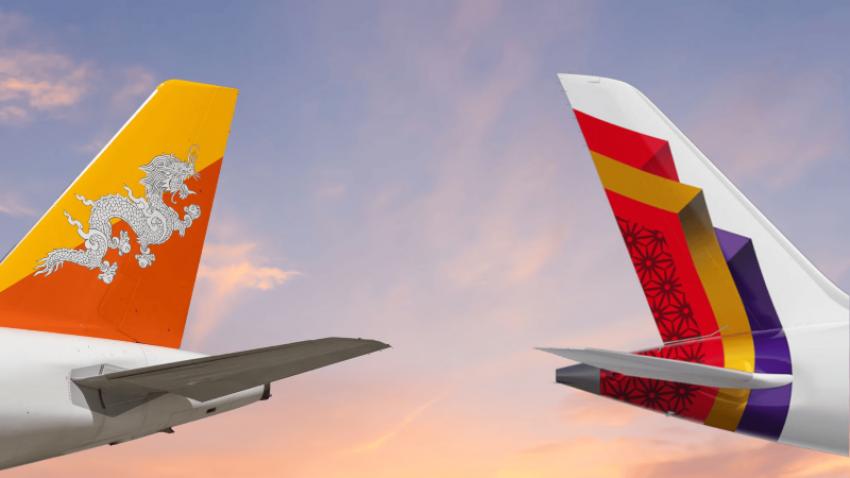
Air India and Drukair, Royal Bhutan Airlines, have entered into an interline partnership to enhance travel convenience and strengthen network connectivity between India, Bhutan, and destinations beyond.