
19 May 2017, 07:32 am
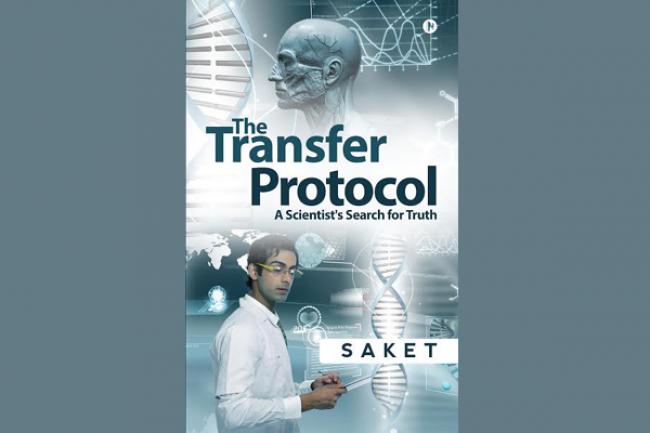
This novel is about one Dr Almast who is trying to develop a super-being that will have telepathic and telekinetic powers.
The super-creature can predict future actions of humans and control objects with its brain.
The brilliant scientist is looking for someone who can fund his advanced research work and that is where Dr Toros comes in the form of a saviour.
But all is not as it appears, Dr Almast would soon find out.
The doctor soon realises that even his family is vulnerable to a sinister plot.
However, the ingredients of the novel blend well to give us a survivor, a fighter, and a hero that we can’t help but cheer on for.
Futuristic ideas, sometimes touched with the odd humour, may appear outrageous, to be honest, but the way in which the scientific mumbo-jumbo has been explained, it appears so simple that there is never any trouble in understanding the ongoing drama.
For example, Dr Almast hides in a fish tank and the fishy smell saves him from getting detected or the time when he hides in a detergent tub in a ladies’ room to save himself and then nearly chokes.
These doses of humour interspersed with all the serious drama work as a nice relief and enhance the quality of the plot.
The narrative flows so fast that it becomes impossible to predict what’s going to come next and that is what creates the magic in this novel.
And from the get-go, it is impossible to keep the book aside even for a second and that’s a commendable job on the part of the author and the editor.
The story has been set in America and yet the influence of Indian culture on the characters strikes a chord with you and helps you relate better to their situations.
The Indian book market is flooded with love stories today. I have nothing against the love stories and their writers, but for the overall growth of the publishing industry and for luring a wider array of readers, we need stories from different genres.
Sci-fi has always been a very lucrative and successful genre and it’s definitely something that needs to be nurtured and developed in an Indian publishing scenario.
And maybe, if this book can be promoted right and if the author is encouraged enough, then we would be doing our bit for the much-loved genre.
As a reader, I would not say no to picking up a few more titles penned by this very imaginative and enthusiastic author.
(Reviewed by Priya Das)
- Project Prayas: Taj Hotels, Prabha Khaitan Foundation turn hospitality floors into learning spaces for young adults with special needs
- Sona College of Technology Fashion Technology students win Ministry of Textiles' Design Innovation Hackathon
- Reliance Industries posts record quarterly revenue of ₹3.4 lakh crore, Jio IPO on the horizon
- Prabha Khaitan Foundation, French Embassy explore deeper Indo-French cultural collaboration
- World Music Day 2026 Concert Writes a New Chapter in Kolkata's Cultural Soul
- Big boost for UPI: India’s digital payment system expands to Cambodia
- India at Cannes 2026: Glitter on the Croisette, But Where Is the Cinema?
- Sona College announces admissions to BTech in Computer Science, IT, AI-ML & Data Science
- NEET-UG to shift to Computer-Based test mode from 2027, says Dharmendra Pradhan; experts welcome move
- Sona College of Technology launches ‘Sona ChipIN Centre’ with latest semiconductor EDA tools


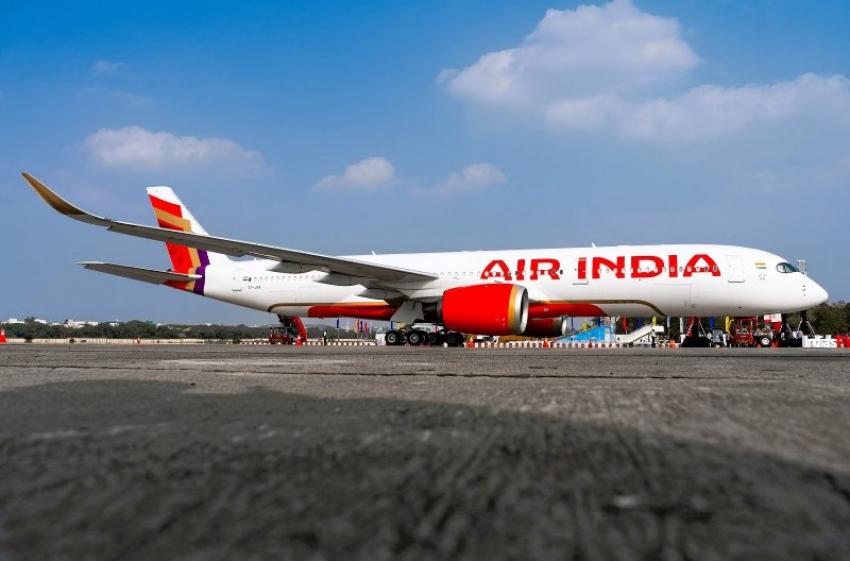
Tata Group-owned Air India and the Ministry of Tourism (MoT), Government of India, have signed a Memorandum of Understanding (MoU) to jointly promote India as a premier global tourism destination and strengthening India’s position as a key aviation and transit hub.
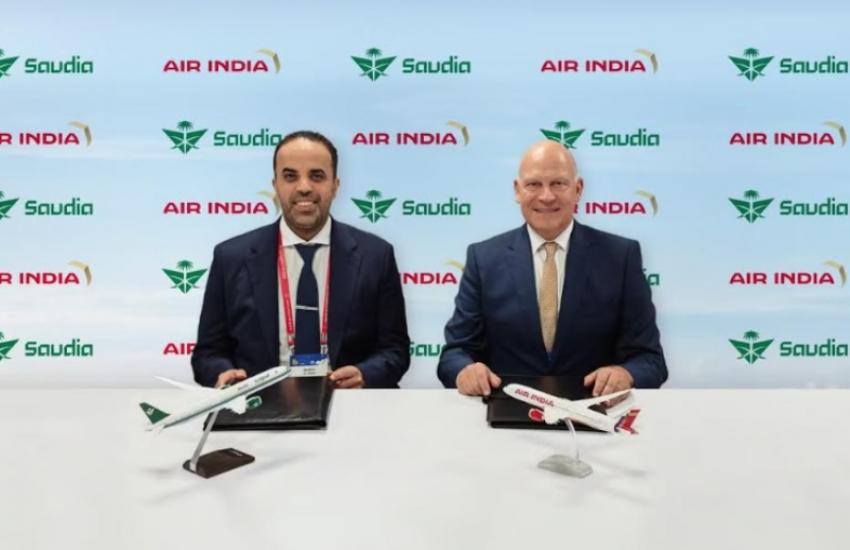
Tata-owned Air India, India’s leading global airline, and Saudia, the national flag carrier of Saudi Arabia, have signed a Memorandum of Understanding (MoU) to expand strategic cooperation between the two airlines.
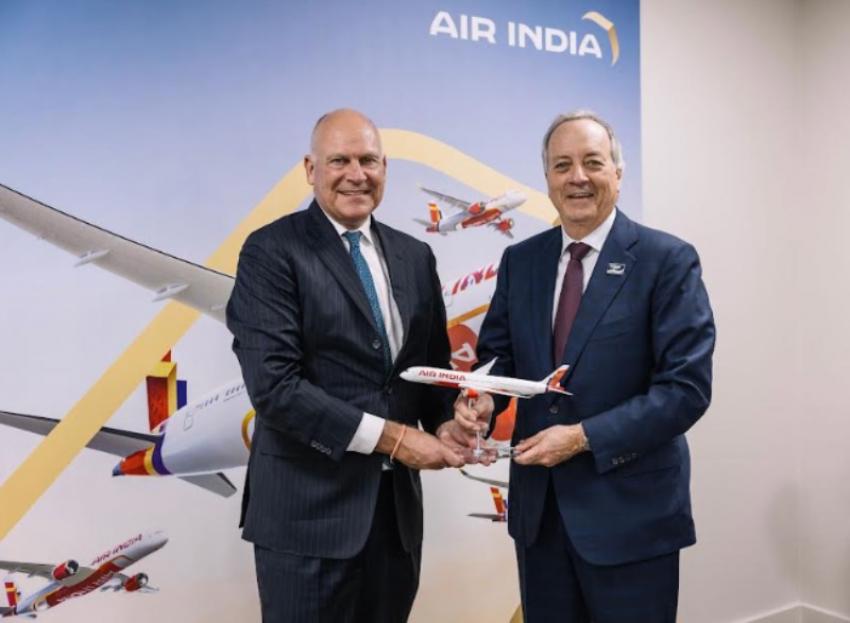
JFK Millennium Partners (JMP), the company selected by the Port Authority of New York & New Jersey to build and operate John F. Kennedy International Airport’s new world-class Terminal 6 (JFK T6), and Air India on Tueday announced that the airline has chosen T6 for its operations beginning in 2028.