
NITN | @notintownlive | 08 May 2020, 10:55 am

Madrid/NITN: The Covid-19 pandemic has prompted all destinations worldwide to introduce restrictions on travel, research by the World Tourism Organization (UNWTO) has found.
This represents the most severe restriction on international travel in history and no country has so far lifted restrictions introduced in response to the crisis.
Following up on previous research, the latest data from the United Nations specialized agency for tourism shows that 100% of destinations now have restrictions in place.
Of these, 83% have had Covid-19-related restrictions in place already for four or more weeks and, as of 20 April, so far no destination has lifted them.
UNWTO Secretary-General Zurab Pololikashvili said, "Tourism has shown its commitment to putting people first. Our sector can also lead the way in driving recovery. This research on global travel restrictions will help support the timely and responsible implementation of exit strategies, allowing destinations to ease or lift travel restrictions when it is safe to do so. This way, the social and economic benefits that tourism offers can return, providing a path to sustainable recovery for both individuals and whole countries.”
Tracking Restrictions by Time and Severity
As well as a general overview, the UNWTO research breaks down the type of travel restrictions that have been introduced by destinations in all of the global regions, while also plotting the evolution of these restrictions since 30 January – when the World Health Organization (WHO) declared Covid-19 a Public Health Emergency of International Concern. The latest analysis shows that, of 217 destinations worldwide:
45% have totally or partially closed their borders for tourists - “Passengers are not allowed to enter”
30% have suspended totally or partially international flights - “all flights are suspended”
18% are banning the entry for passengers from specific countries of origin or passengers who have transited through specific destinations
7% are applying different measures, such as quarantine or self-isolation for 14 days and visa measures.
Against this backdrop, UNWTO has been leading calls for governments worldwide to commit to supporting tourism through this unprecedented challenge.
According to Secretary-General Pololikashvili, the sudden and unexpected fall in tourism demand caused by Covid-19 places millions of jobs and livelihoods at risk while at the same time jeopardising the advances made in sustainable development and equality over recent years.
- Kayaking, canoeing and water taxis bring new experiences to Kerala’s historic Muziris region
- Emirates expands in Japan with new Travel Store in Tokyo and additional Narita flights
- IndiGo passengers get a surprise at 30,000 feet: Here's what they were asked to do
- Riyadh Airport shut until October 17 after deadly Houthi attacks
- Navi Mumbai Airport’s aviation push: TajSATS facility ready to handle rising passenger demand
- Malaysia stays visa-free for Indians through 2026, but entry rules still apply
- Singapore introduces tougher penalties for disruptive behaviour on public transport
- Etihad Rail launches passenger service between Dubai and Abu Dhabi
- New Zealand moves most visitor visa applications to enhanced online system
- Indian passport rules changed: New validity, fees for children and adults explained


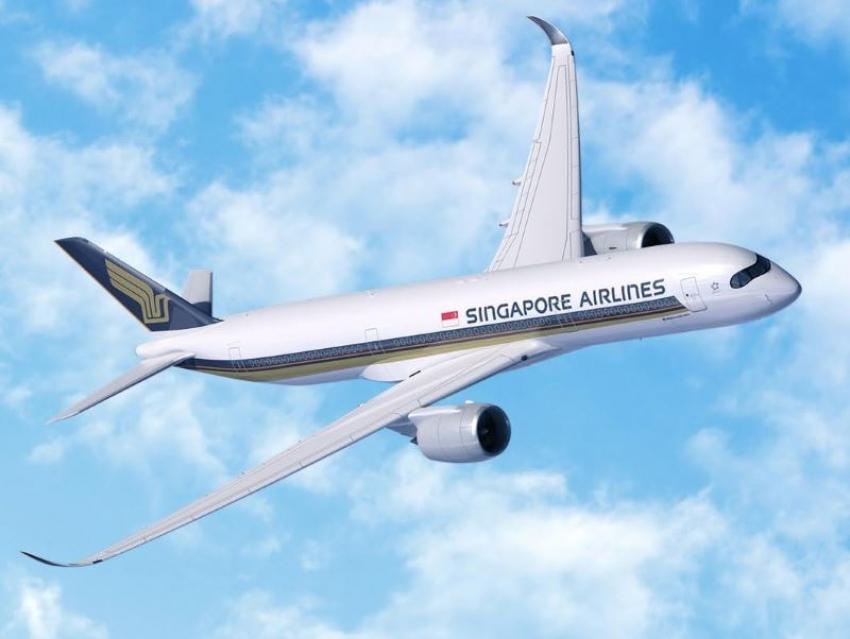
Singapore Airlines (SIA) is upgrading its in-flight entertainment system, KrisWorld, with new display technology, audio features, personalisation tools and high-speed internet connectivity. The changes are intended to give passengers more control over their entertainment and how they use their time on board.
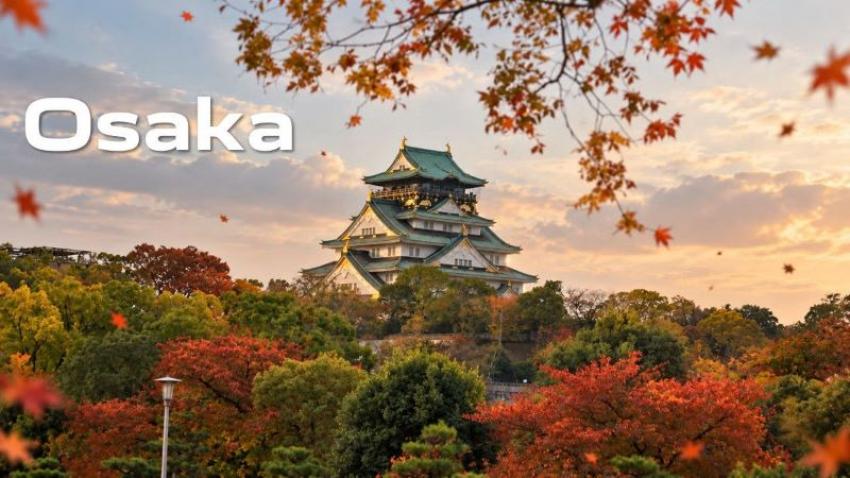
Air India will launch non-stop flights between Delhi and Osaka’s Kansai International Airport on 2 February 2027, becoming the only airline to operate on the route. The airline will run four flights a week between the Indian capital and Osaka, Japan’s second-largest metropolitan area, using Boeing 787-8 aircraft.
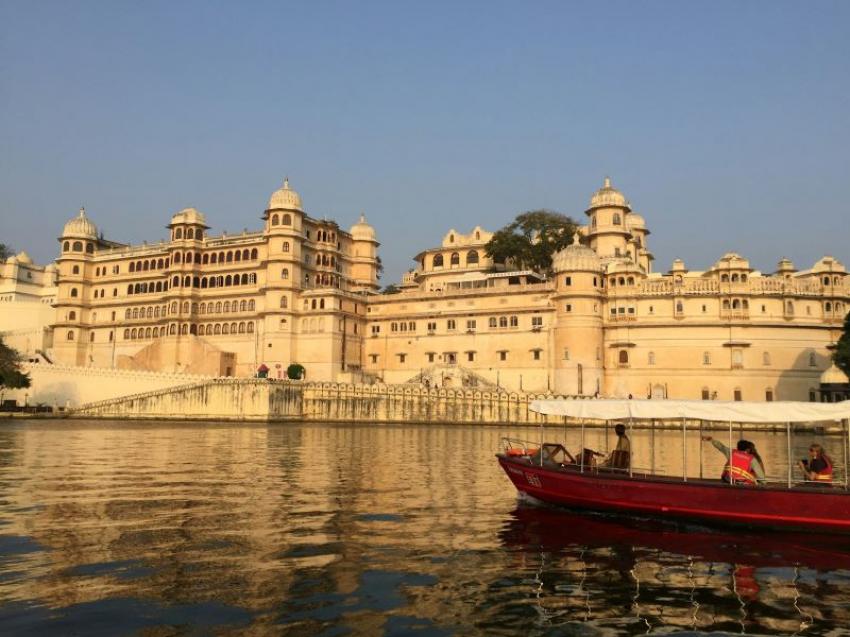
IndiGo will introduce daily non-stop flights to Udaipur from Noida International Airport and Navi Mumbai International Airport, starting October 25 and November 15, 2026 respectively.