
NITN | @notintownlive | 02 Jun 2020, 09:09 am

New York/NITN: After months of lockdowns, countries are cautiously starting to ease travel restrictions put in place to stop the spread of COVID-19, according to research published Monday by the World Tourism Organization (UNWTO). Secretary-General Zurab Pololikashvili, stressed "the need for vigilance, responsibility and international cooperation as the world slowly opens up again."
In the fourth edition of its COVID-19 Travel Restrictions: A Global Review for Tourism, the UN specialized agency reviews measures of 217 destinations worldwide, as of 18 May. The report finds that 3 per cent of all destinations have taken steps to ease restrictions. Seven destinations have eased restrictions for international tourism purposes, while several more are engaged in discussions on the reopening of borders.
Nowhere fully open for tourists, yet
The report notes that 100 per cent of all destinations worldwide continue to have some COVID-19 travel restrictions in place; 75 per cent are still completely closed to international tourism. In 37 per cent of all cases, restrictions have been in place for 10 weeks, while 24 per cent have had controls in place for 14 weeks or more.
The more important tourism is to individual economies, the more likely it is that countries have responded with complete border closures. In the case of Small Island Developing States (SIDS), the report finds that 85 per cent continue to remain completely closed to tourists.“The timely and responsible easing of travel restrictions will help ensure the many social and economic benefits that tourism guarantees will return in a sustainable way”, Mr. Pololikashvili said.
In all UNWTO regions, more than 65 per cent of their destinations remain completely closed to tourism: Africa (74 per cent), the Americas (86 per cent), Asia and the Pacific (67 per cent), Europe (74 per cent) and the Middle East (69 per cent).
Global guidelines
The report follows last week’s release of UNWTO’s Global Guidelines to Restart Tourism, aimed at helping the sector emerge more sustainably from COVID-19. Produced in cooperation with the Global Tourism Crisis Committee, the guidance highlights the need to act decisively, to restore confidence and to embrace innovation.
UNWTO warns that international tourist arrivals could fall between 60 and 80 per cent, depending on when restrictions are lifted. This could place 100 to 120 million jobs at risk and potentially lead to $910 billion to $1.2 trillion lost in exports.
“These guidelines provide both Governments and businesses with a comprehensive set of measures designed to help them open tourism up again in a safe, seamless and responsible manner,” Pololikashvili said.
- Singapore introduces tougher penalties for disruptive behaviour on public transport
- Etihad Rail launches passenger service between Dubai and Abu Dhabi
- New Zealand moves most visitor visa applications to enhanced online system
- Indian passport rules changed: New validity, fees for children and adults explained
- Azerbaijan makes F1 travel easier for Indian fans with visa on arrival
- Kanchenjunga Tourism Festival to showcase North Bengal’s heritage, culture, and sporting events across 3 locations
- Planning a Malaysia trip? Indian Embassy cautions not to look for jobs on tourist visa
- International Digi Yatra trials to begin at major Indian airports from October
- Star Alliance Paris CDG Lounge crowned world’s best alliance lounge once again
- Sona College of Tech, Salem team wins Mitsubishi contest for factory automation; beats 6 national winners across Asia


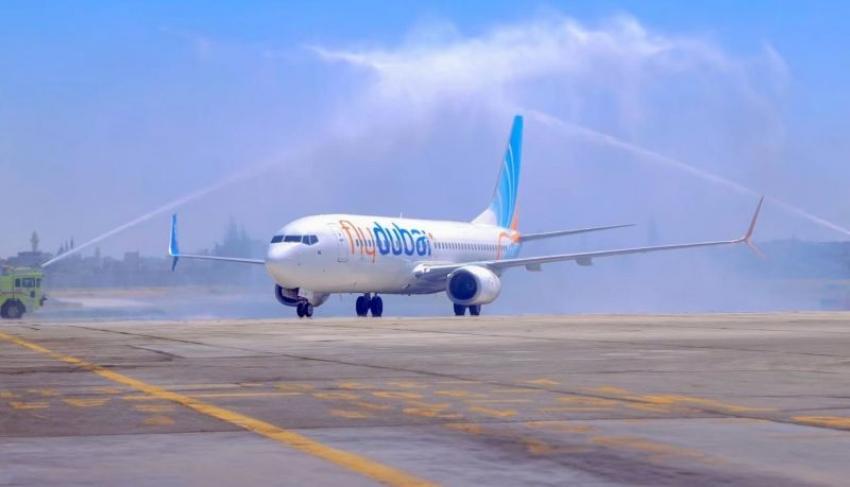
flydubai has temporarily suspended all flights to Israel until further notice, citing safety concerns, following a cockpit fight aboard a Tel Aviv-bound flight last Thursday in which the co-pilot allegedly attempted to crash the aircraft, media reports said.
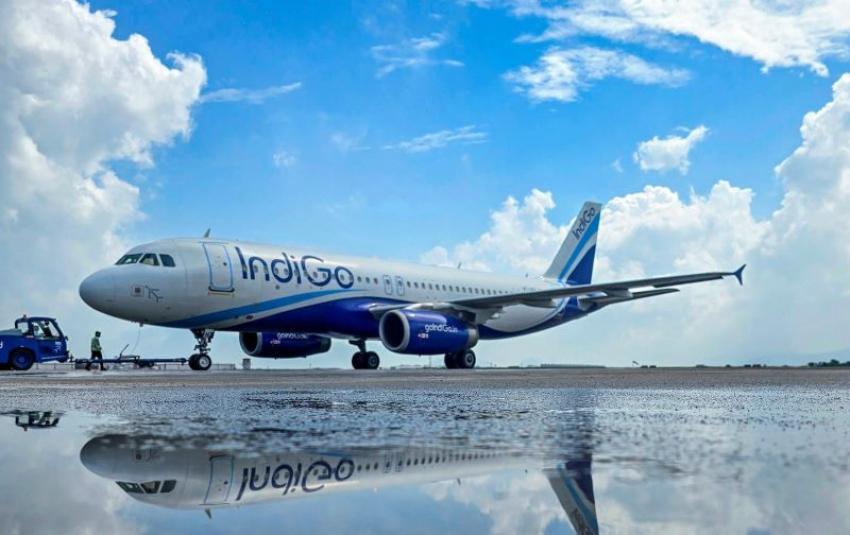
IndiGo is celebrating two years of its loyalty programme, IndiGo BluChip, which was introduced in October 2024 and has since grown to include an ecosystem of more than 25 partners. Over this period, it has emerged as one of the country’s fastest-growing loyalty programmes.
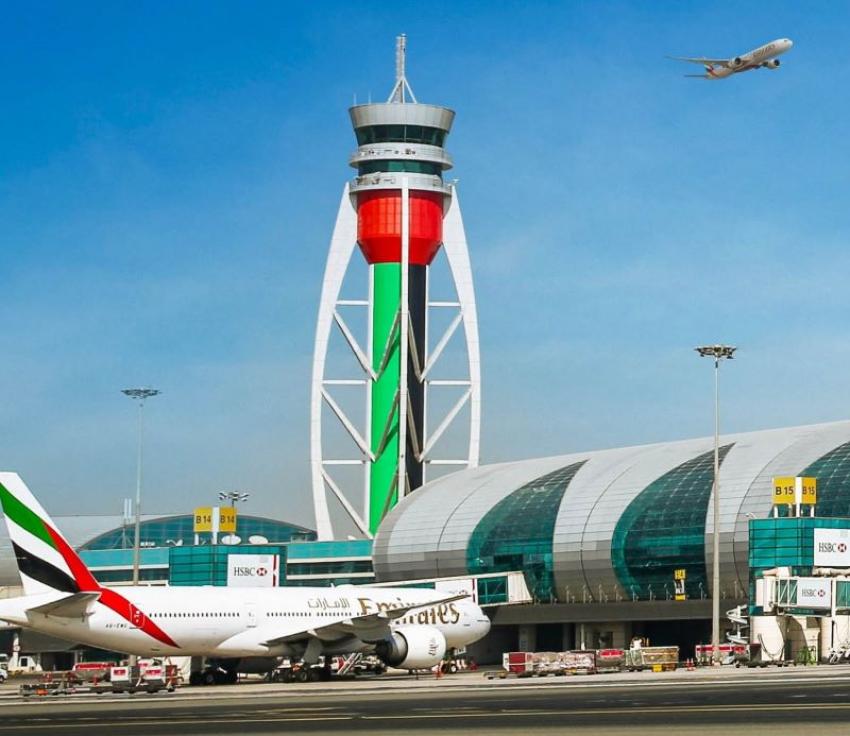
Air Canada has extended the suspension of its flights to and from Dubai, with services to Dubai International Airport (DXB) now cancelled until the end of March 2027.