
Just Earth News | @justearthnews | 28 Sep 2021, 05:21 am
 Tourism
Image: IMF/Jeff Moore
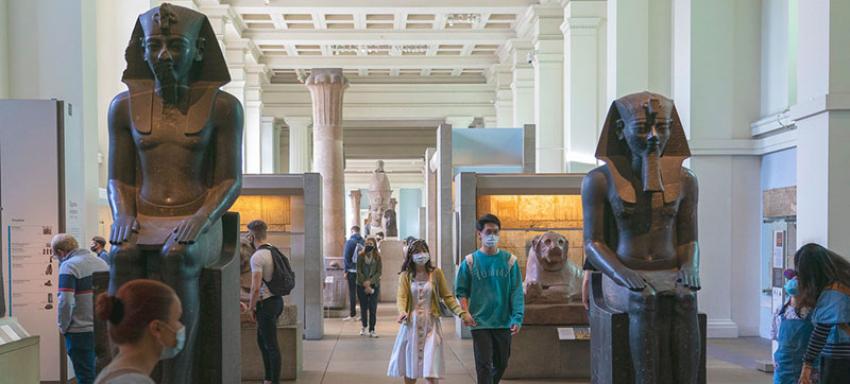
Tourism “touches almost every part of our economies and societies”, enabling the historically marginalized, and “those at risk of being left behind, to benefit from development”, declared UN Secretary-General António Guterres on Monday, marking World Tourism Day.
The impact of the COVID-19 pandemic on tourism could result in a more than $4 trillion loss to the global economy, according to a recent report from the UN Conference on Trade and Development (UNCTAD).
Emergency for developing countries
Highlighting the fact that in the first months of this year, “international tourist arrivals decreased by a staggering 95 per cent in parts of the world”, Mr. Guterres said that tourism continues to suffer enormously due to the COVID-19 pandemic.
“This is a major shock for developed economies, but for developing countries, it is an emergency”, he added.
“Climate change is also severely affecting many major tourist destinations, particularly Small Island Developing States”, his message added. There, tourism accounts for nearly 30 per cent of all economic activity.
Tourism for inclusive growth
Acknowledging that many millions of livelihoods are in jeopardy, Mr. Guterres said that now it is “time to rethink, transform, and safely restart tourism”.
“With the right safeguards in place, the tourism sector can provide decent jobs, helping to build resilient, sustainable, gender-equal, inclusive economies and societies that work for everyone”, he added.
According to the United Nations specialized agency for responsible and sustainable tourism (UNWTO), tourism is a recognized pillar of most the Sustainable Development Goals (SGDs), particularly Goals 1 (poverty-elimination), 5 (gender equality), 8 (decent work and economic growth) and 10 (to reduce inequalities).
In his message, Mr. Guterres went on to call for targeted action and investment, towards green and sustainable tourism, “with high emitting sectors, including air and sea transport and hospitality, moving towards carbon neutrality”.
Adding that everybody should have a say in how tourism shapes the future of our societies, the UN chief concluded that “only through inclusive decision-making can we ensure inclusive, sustainable growth, deliver on the promise of the SDGs, and transform tourism to fulfil its potential”.
The sector could then become “an engine for prosperity, a vehicle for integration, a means to protect our planet and biodiversity, and an agent of cultural understanding between peoples”, said Mr. Guterres.
- Emirates expands in Japan with new Travel Store in Tokyo and additional Narita flights
- IndiGo passengers get a surprise at 30,000 feet: Here's what they were asked to do
- Riyadh Airport shut until October 17 after deadly Houthi attacks
- Navi Mumbai Airport’s aviation push: TajSATS facility ready to handle rising passenger demand
- Malaysia stays visa-free for Indians through 2026, but entry rules still apply
- Singapore introduces tougher penalties for disruptive behaviour on public transport
- Etihad Rail launches passenger service between Dubai and Abu Dhabi
- New Zealand moves most visitor visa applications to enhanced online system
- Indian passport rules changed: New validity, fees for children and adults explained
- Azerbaijan makes F1 travel easier for Indian fans with visa on arrival


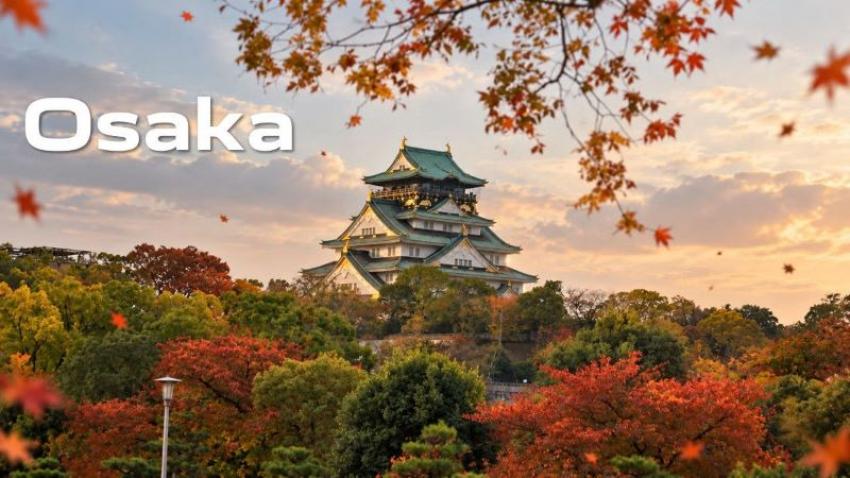
Air India will launch non-stop flights between Delhi and Osaka’s Kansai International Airport on 2 February 2027, becoming the only airline to operate on the route. The airline will run four flights a week between the Indian capital and Osaka, Japan’s second-largest metropolitan area, using Boeing 787-8 aircraft.
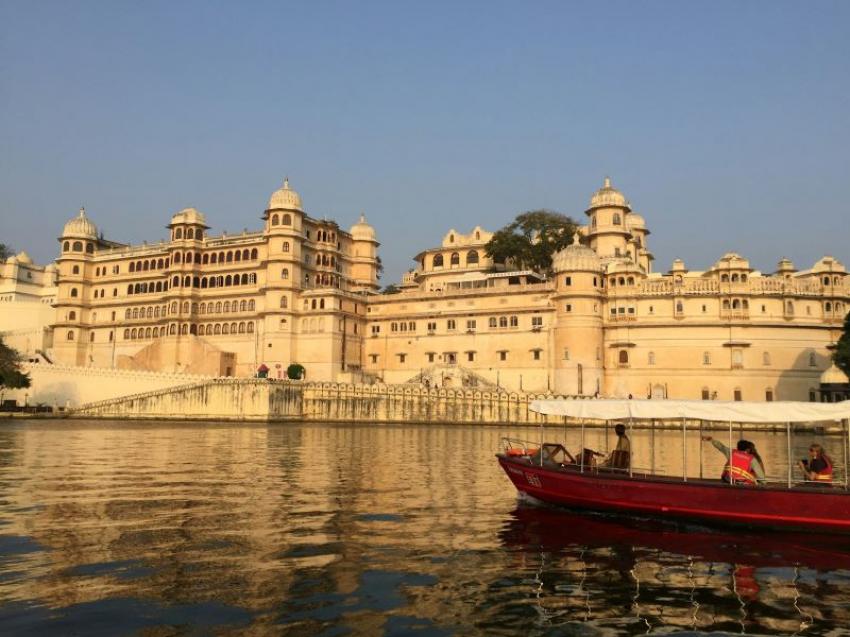
IndiGo will introduce daily non-stop flights to Udaipur from Noida International Airport and Navi Mumbai International Airport, starting October 25 and November 15, 2026 respectively.
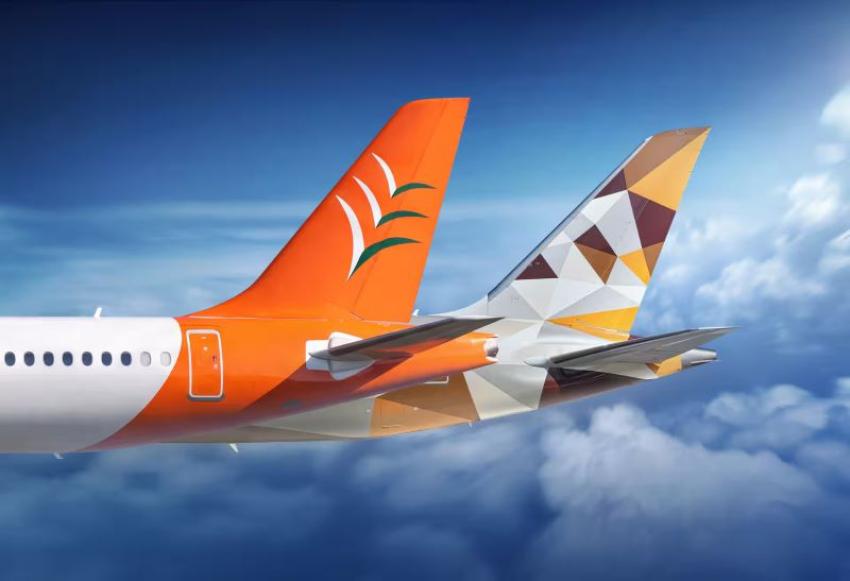
Etihad Airways and Nigerian carrier Ibom Air have signed an interline agreement that will allow passengers travelling with Etihad to connect beyond Lagos and Accra to five cities in Nigeria on a single ticket.