
NITN | @notintownlive | 02 Dec 2021, 11:34 pm
 Sikkim Travel Ban
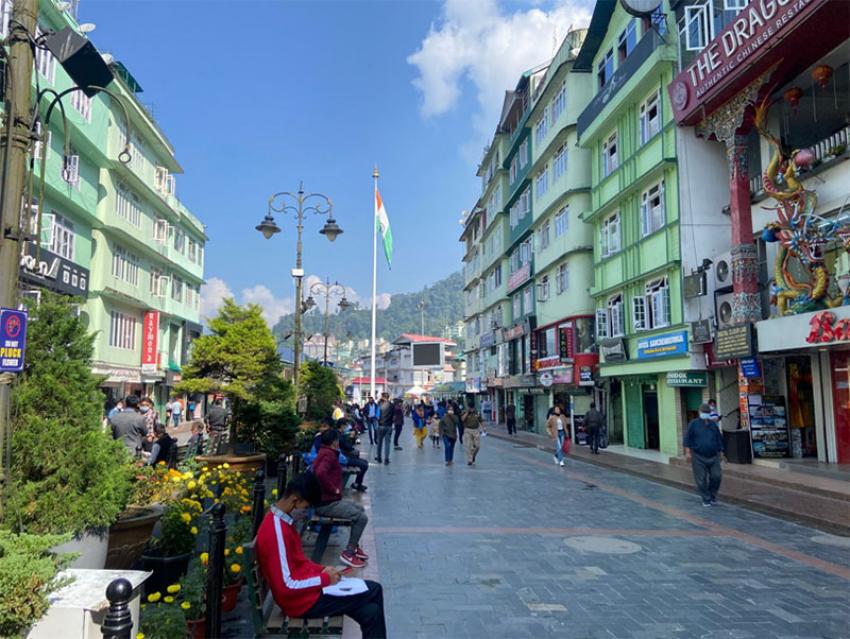
Gangtok/NITN: The tiny Himalayan state of Sikkim has announced that it is stopping the issuing of permits for foreign visitors in view of the concerns over the spread of the Omicron variant of the COVID-19 virus.
According to media reports, the Sikkim government has announced that the state will not issue ILP (Inner Line Permit), RAP (Restricted Area Permit) and PAP (Protected Area Permit) to any foreign national until December 15 this year.
Since Sikkim shares borders with China, both domestic and foreign travellers have to abide by certain area restriction rules.
Most travellers, especially foreign visitors, often club the northern hills of West Bengal and Sikkim on the same itinerary.
Hence tour operators in the region expect the latest announcement to affect the flow of foreign travellers to the area.
According to some of the tour operators, Sikkim, which was closed to Bangladeshi travellers, had recently opened its doors to them, and had seen a large number of them visiting the state.
However, the tour operators and hotel owners now expect a reversal in the flow of Bangladeshi travellers.
- Phone, Wallet Stolen Abroad? Knowing These Steps Can Save Your Trip
- Travelling Abroad from India? Know How Much Foreign Currency You Can Carry
- Air India teams up with IHG, offers Maharaja Club Members reward points on hotel bookings
- Fujifilm’s new 609mm-equivalent lens brings serious long-range reach without the usual weight
- Google’s AI mode is becoming your travel agent—Here’s what it can now do
- Littering on trains to cost more? Railways doubles fine to Rs 1,000 — check other penalties
- Dubai Airport traffic crashes 31% in H1 amid US-Iran conflict
- Bali Backlash: Swiss Tourist Jailed After 'Crazy' Video Mocks Hindu Nyepi Holiday
- London’s Thames to witness Ganga Aarti: Here’s what’s happening on September 13
- Going to Sri Lanka? This new UPI perk could make your rides cheaper



IndiGo has announced a new daily nonstop service between Mumbai and Hanoi, beginning October 25, 2026. The new route will expand the airline’s international network and improve connectivity with Vietnam’s capital, giving passengers more options and flexibility for travel between India and Vietnam.

Aviation major Emirates is taking its award-winning Premium Economy experience a step further with the launch of what it describes as the world’s first electrically powered Premium Economy seat, featuring a full-height adjustable privacy screen between every seat.
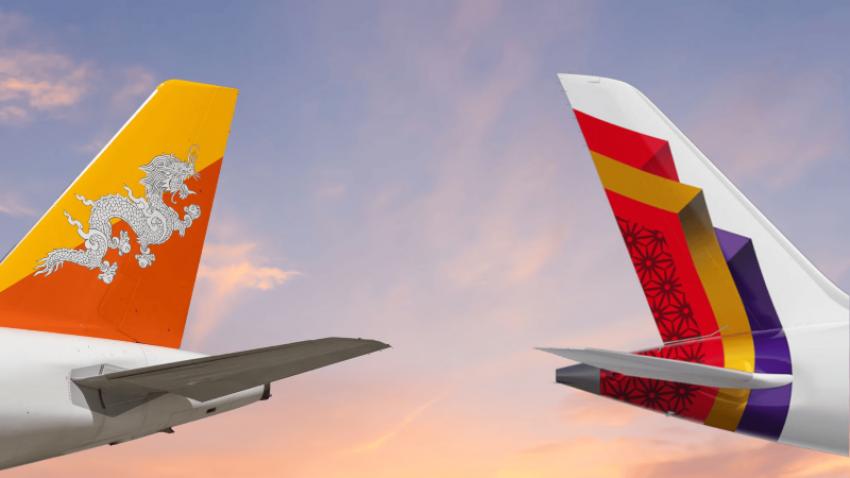
Air India and Drukair, Royal Bhutan Airlines, have entered into an interline partnership to enhance travel convenience and strengthen network connectivity between India, Bhutan, and destinations beyond.