
NITN | @notintownlive | 13 Feb 2026, 05:31 am
 Cherry Blossom
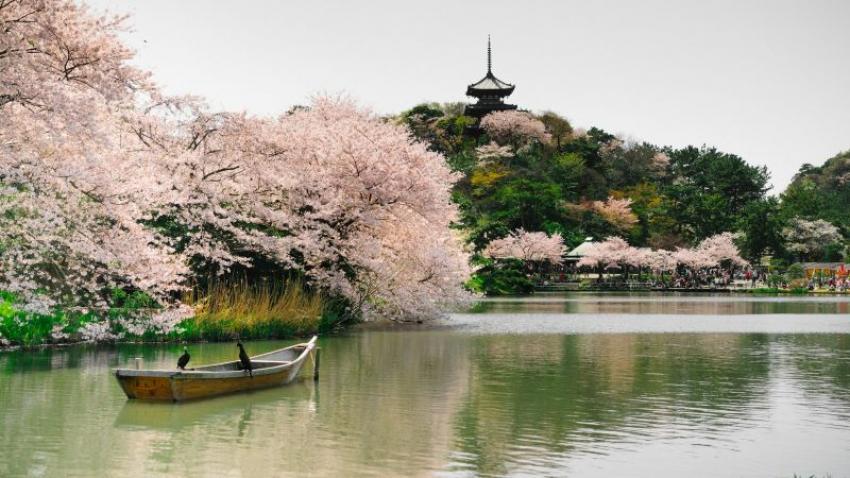
Cherry blossoms in full bloom mark Japan’s cherished hanami season — a fleeting celebration of spring’s beauty. Photo: Unsplash
Japan’s famous cherry blossom celebrations near Mount Fuji will be much quieter this year. Authorities in the central Japanese city of Fujiyoshida have decided to cancel the 2026 Arakurayama Sengen Park Cherry Blossom Festival, citing growing concerns over tourist conduct and crowd management.
The annual event, staged at the scenic Arakurayama Sengen Park — home to the iconic Chureito Pagoda with Mount Fuji in the background — typically runs for several weeks during peak sakura season. It draws roughly 200,000 visitors every year, making it one of the most popular cherry blossom viewing spots in the country.
Disruptive Tourist Behaviour
City officials said the decision was driven primarily by repeated incidents involving unruly visitor behaviour. Local authorities have received mounting complaints about overcrowding, unsafe pedestrian conditions, and disregard for public order.
“We have a strong sense of crisis. To protect the dignity and living environment of our citizens, we have decided to bring the curtain down on the 10-year-old festival,” Fujiyoshida Mayor Shigeru Horiuchi told The Guardian.
 Photo: Unsplash
One of the most pressing concerns has been tourists spilling onto sidewalks and residential streets while attempting to capture photos of the pagoda and Mount Fuji. Residents say the congestion has begun interfering with daily life, with complaints ranging from visitors wandering onto private property to more serious grievances such as littering and even instances of defecating in residential yards.
Parents, in particular, have raised alarms. According to local reports cited by municipal officials, schoolchildren commuting on foot have been jostled or forced off walkways by visitor crowds, sparking safety fears within the community.
Overtourism Pressures Intensify
Fujiyoshida, a relatively small city west of Tokyo, has struggled to cope with the surge in footfall. Authorities estimate that the area receives around 10,000 visitors per day on average during peak bloom periods. Officials say the surge is largely driven by “factors such as the weak yen and explosive popularity fuelled by social media” — volumes that far exceed what local infrastructure was designed to handle.
The situation reflects a broader overtourism challenge facing many of Japan’s scenic hotspots, where narrow streets, limited transport capacity, and residential zones overlap with major sightseeing corridors.
 Photo: Unsplash
Park Remains Open — But with Tighter Controls
While the festival itself has been called off, Arakurayama Sengen Park will remain open to the public. Officials expect the site will still attract large crowds in April for panoramic views of Mount Fuji — a bucket-list scene for domestic and international travellers alike.
The city plans to introduce enhanced crowd-control and safety measures. These include deploying additional security personnel, expanding temporary parking facilities, and installing portable toilet units to accommodate the seasonal influx.
Cherry Blossom and Japan’s Hanami Tradition
Cherry blossom season holds a deep cultural meaning in Japan. The tradition of hanami — literally “flower viewing” — dates back centuries and involves gathering under blooming sakura trees to appreciate their fleeting beauty.
Families, friends, and coworkers picnic beneath the blossoms, celebrating spring while reflecting on the transient nature of life — a theme deeply embedded in Japanese aesthetics and philosophy.
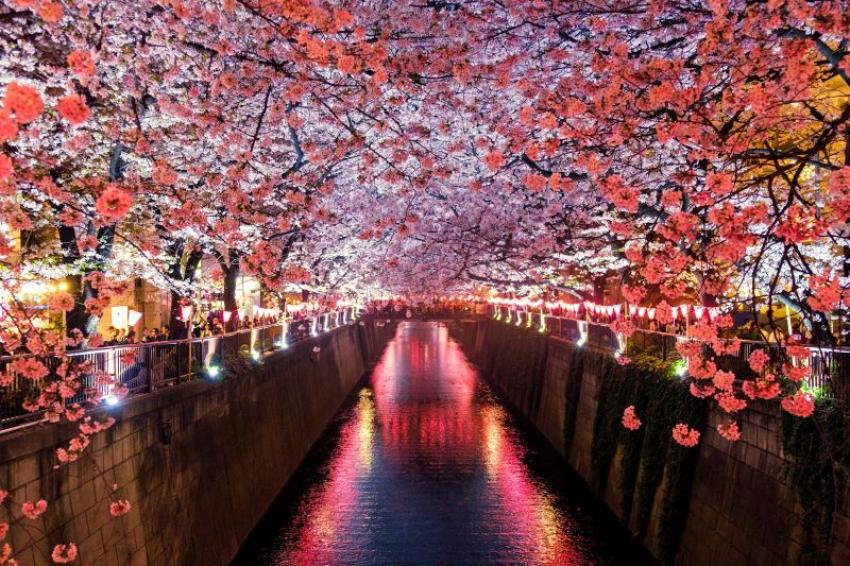 Photo: Unsplash
Rising Cost of Japan’s Travel Surge
The cancellation also underscores the pressures created by Japan’s tourism boom in recent years. Record inbound visitor numbers — fuelled by pent-up post-pandemic travel demand and a weak yen — have strained popular destinations from Kyoto’s historic districts to Mount Fuji viewpoints.
As local governments search for ways to protect community life while sustaining tourism revenue, Fujiyoshida’s decision may signal a growing willingness to prioritise resident well-being over large-scale events — even during one of Japan’s most beloved seasons.
- Major Change in US Visa Rules: Social Media Accounts Now Under Scanner
- Tourist Visa Costs for Indians in 2026: What Travellers Should Know
- ‘Big boost for NCR connectivity’: PM Modi to inaugurate Noida International Airport Phase 1 tomorrow
- Petals and Pillars – Mullick Ghat Photo Walk in Kolkata: Book Your Spot to Explore the City’s Flower Market and Riverfront
- India nominates Meghalaya's Living Root Bridges for UNESCO World Heritage status
- Cabinet approves extension of IVFRT scheme till 2031. Why does it impact you?
- Uzbekistan Emerges as a Fast-Growing, Safe Destination for Global Travellers
- India is not dirty! Kochi leaves NYC influencer impressed. Check her video now
- Shabana Azmi, Javed Akhtar praise Nagaland's eco-heaven Kwegma
- Thailand’s New Visa Programme Offers Long-Term Stay for Property Owners

Tata Group-owned Air India has inaugurated its new 4 times weekly non-stop service to Rome, marking a return to the Italian city after nearly six years.
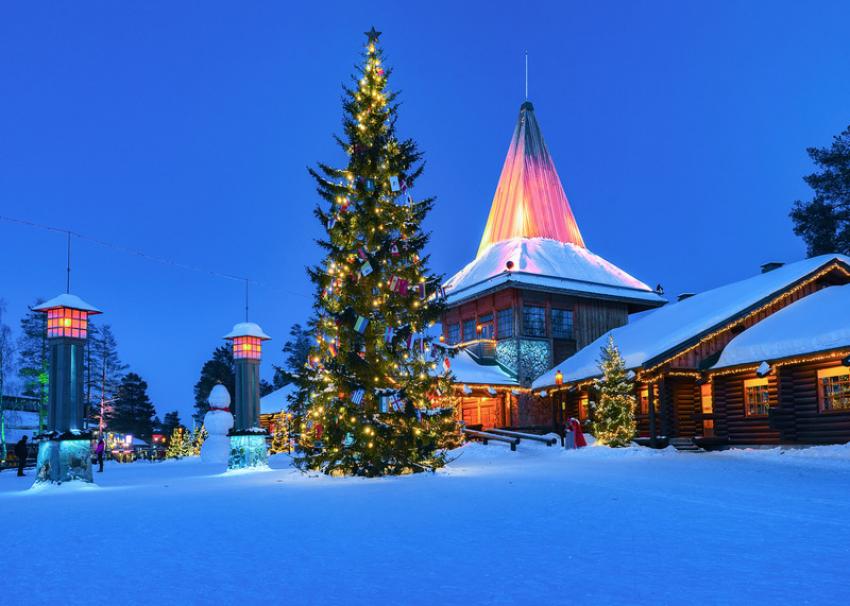
Lufthansa is expanding its winter flight schedule for 2026/27 with the launch of a new direct route by between its Munich hub and Rovaniemi, starting December 4, 2026.
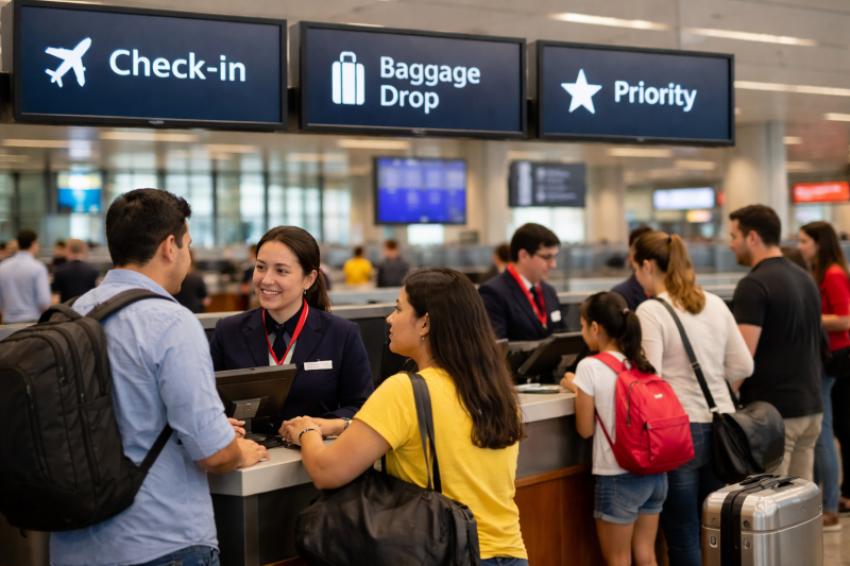
Choosing a seat on a flight in India often comes at an extra cost, especially for window, aisle, or front-row options. Over time, what was once a basic part of flying has turned into a revenue stream for airlines, leaving many passengers with limited free choices during web check-in.