
Not In Town | @notintownlive | 25 Oct 2017, 07:39 am
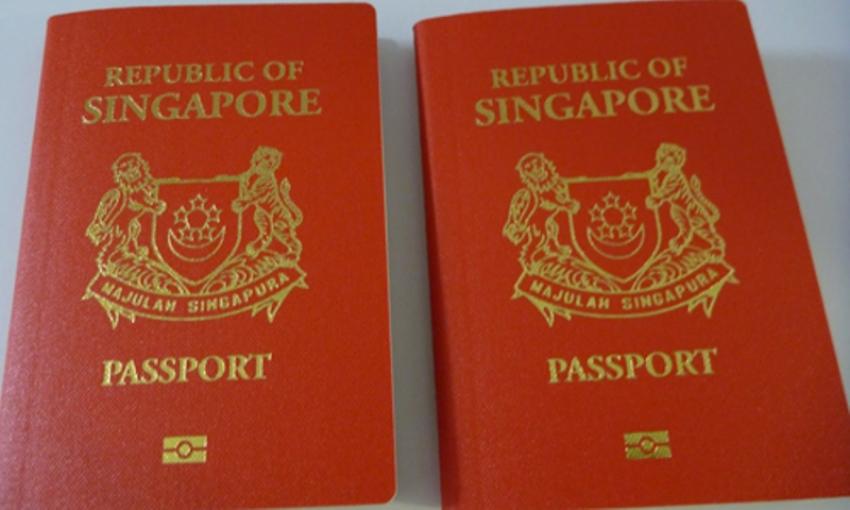
The recent decision by Paraguay to remove visa requirements for passport holders of Singapore allowed the nation to take the number one spot, one ahead of germany.
People with the Singaporean passport can visit a record 159 countries either visa-free or by gaining a visa on arrival.
Earlier it shared the numero uno spot with Germany, whose citizens can visit 158 countries the same way.
Here's the top 10 countries:
Singapore: 159
Germany: 158
Sweden, South Korea: 157
Denmark, Finland, Italy, France, Spain, Norway, Japan, United Kingdom: 156
Luxembourg, Switzerland, Netherlands, Belgium, Austria, Portugal: 155
Malaysia, Ireland, Canada, United States: 154
Australia, Greece, New Zealand: 153
Malta, Czech Republic, Iceland: 152
Hungary: 150
Slovenia, Slovakia, Poland, Lithuania, Latvia: 149
Image: Wallpaper
- Sikkim Adventure Tourism Fest to bring 20-plus activities across six districts this November
- Europe ends Schengen passport stamps, switches to digital border records
- Kayaking, canoeing and water taxis bring new experiences to Kerala’s historic Muziris region
- Emirates expands in Japan with new Travel Store in Tokyo and additional Narita flights
- IndiGo passengers get a surprise at 30,000 feet: Here's what they were asked to do
- Riyadh Airport shut until October 17 after deadly Houthi attacks
- Navi Mumbai Airport’s aviation push: TajSATS facility ready to handle rising passenger demand
- Malaysia stays visa-free for Indians through 2026, but entry rules still apply
- Singapore introduces tougher penalties for disruptive behaviour on public transport
- Etihad Rail launches passenger service between Dubai and Abu Dhabi


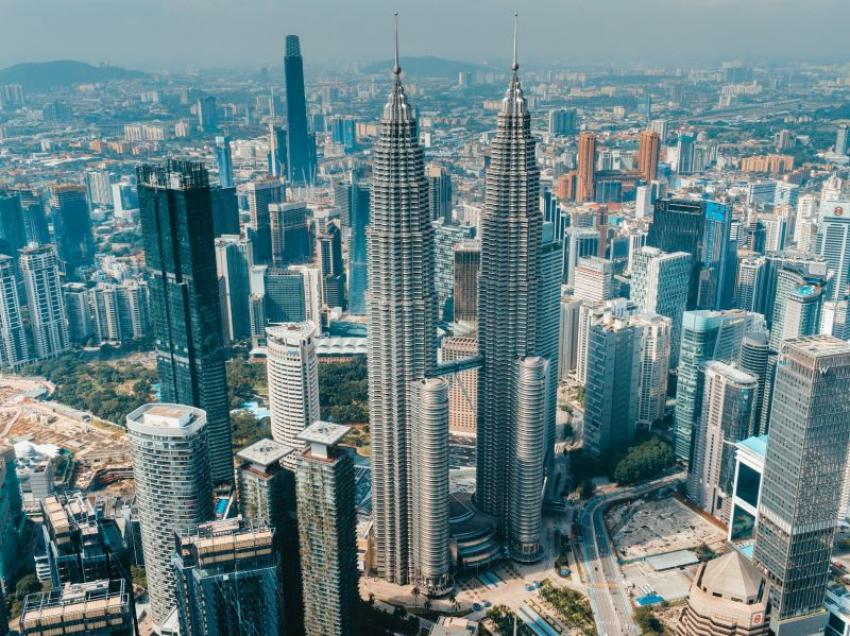
Lufthansa has launched a new nonstop service between Kuala Lumpur and Frankfurt, with the first flight operating on October 26. The route connects Malaysia’s capital with Frankfurt, one of Europe’s major aviation hubs.

Lufthansa Group is renaming its Green Fare as Impact Fare, placing greater emphasis on the contribution customers make to sustainability in aviation. The name change also reflects new regulatory requirements for environmental communication.
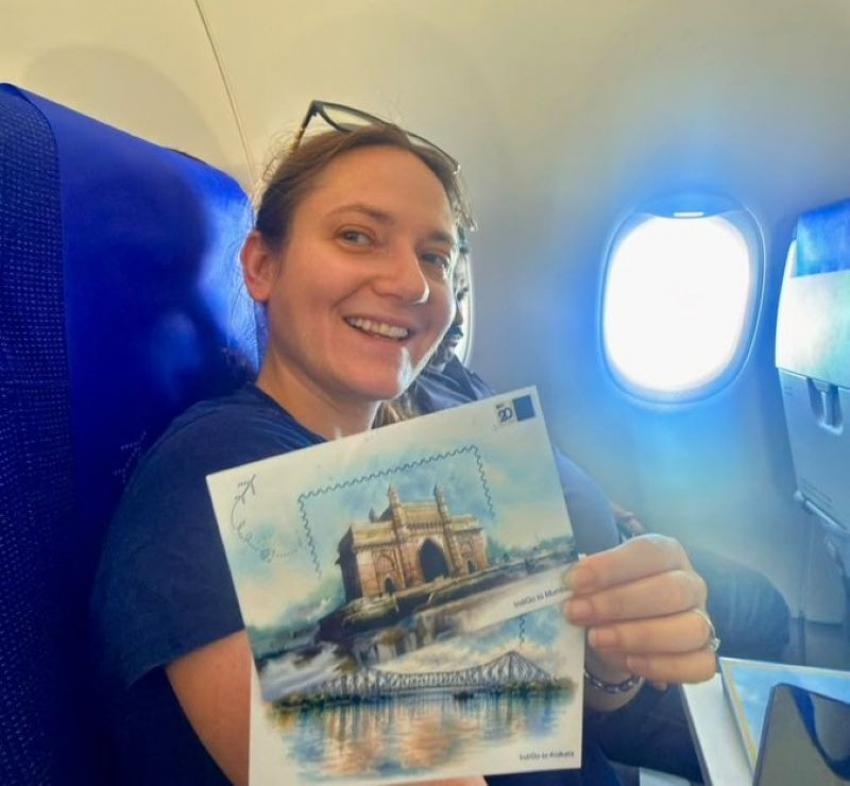
In an effort to revive the joy of handwritten communication in an increasingly digital world, the Department of Posts under the Ministry of Communications, in collaboration with IndiGo, organised a unique Digital Detox Campaign on October 12, observed as Philately Day during the ongoing National Postal Week celebrations from October 9 to 15.